What Is Lead in Sales? A Simple Guide to Sales Leads, Qualification, and Conversion
Learn what a lead in sales means, how leads become prospects and opportunities, and how to qualify, score, and convert them faster with practical examples.
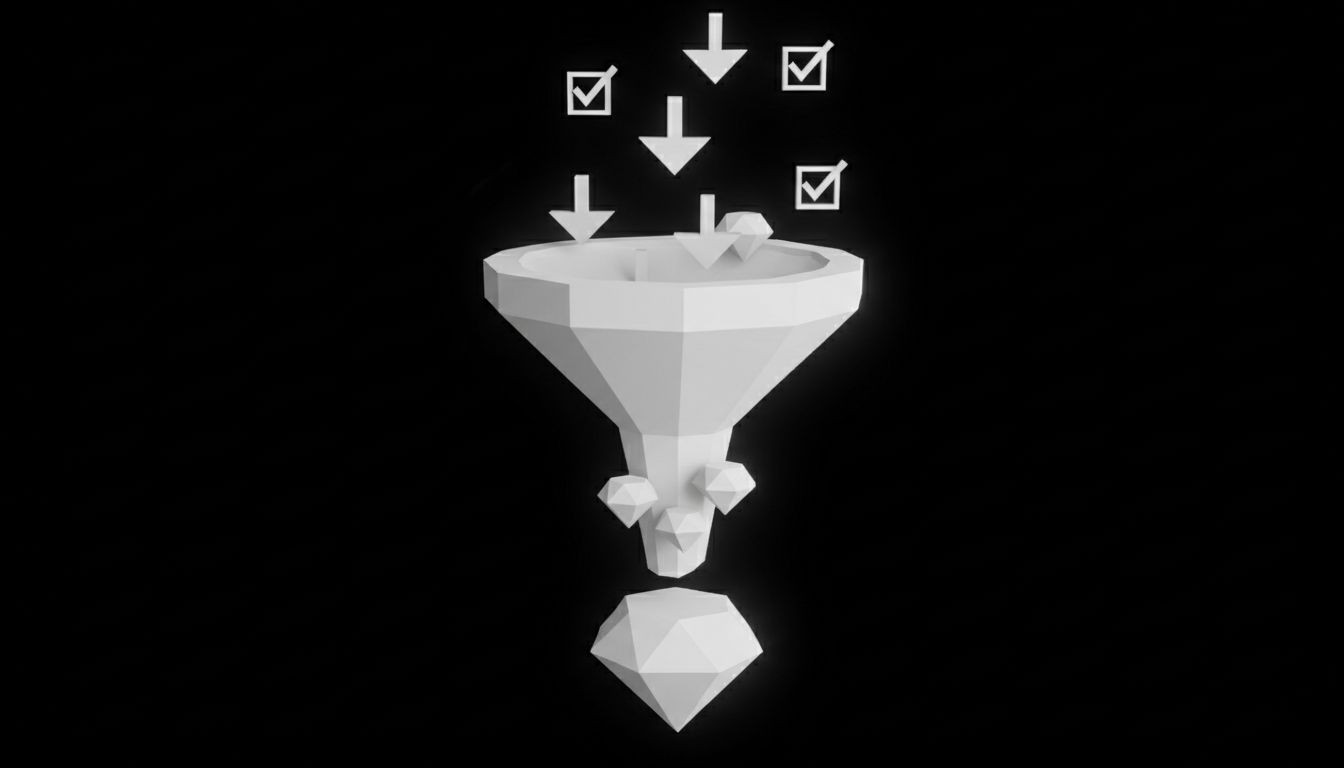
If you’ve ever wondered what is lead in sales, the simplest answer is this: a lead is a person or business that has shown interest in what you sell and is worth a follow-up. That interest might come from a website form, a social media ad, a direct message, a webinar signup, or a chat conversation on your site. A lead is not a customer yet, but it is the first clear sign that someone may buy.
That matters because sales does not start when a deal closes. It starts much earlier, at the moment a stranger becomes reachable. If your team can capture that signal, qualify it quickly, and route it to the right person, you create a real sales pipeline instead of a pile of random contacts.
What is a lead in sales?

A lead in sales is any person or organization that has entered your sales ecosystem in a meaningful way. They may have filled out a form, replied to an ad, booked a call, downloaded a guide, or started a conversation with your team. What makes them a lead is not just that they exist in your database. It is that they have shown enough intent for sales or marketing to do something next.
A good lead is more than a name and email address. It usually has at least one of these signals attached to it:
A need your product or service can solve
A sign of interest, like a form fill, demo request, or message
Enough context to qualify, such as company size, budget, or role
A source that tells you where they came from, like paid ads, organic search, or social media
If you want a steady stream of these contacts, a well-built automated lead generation system helps capture interest from different channels and keep follow-up organized.
A quick example
Imagine a small SaaS company running a Meta ad that offers a free pricing calculator. Someone clicks the ad, submits their work email, and downloads the calculator. That person is now a lead. If they later book a demo and confirm they have the right budget and decision-making authority, they move closer to a prospect or an opportunity.
That is the basic journey. Interest first, qualification second, revenue later.
Lead vs prospect vs opportunity vs customer
A lot of confusion around what is lead in sales comes from mixing up the stages. These words are related, but they do not mean the same thing.
Stage | Simple meaning | What usually happens next |
|---|---|---|
Lead | Someone who has shown interest or shared contact information | Qualify the contact and decide whether to nurture or pass to sales |
Prospect | A lead that looks like a fit and is worth active pursuit | Book a call, demo, or discovery meeting |
Opportunity | A real deal with a clear buying process | Send proposal, negotiate, and work toward close |
Customer | The deal is won and the buyer is paying | Onboarding, retention, upsell, and referral growth |
A lead becomes a prospect when your team sees enough fit and intent to actively pursue the account. A lead becomes an opportunity when there is a real sales process attached to it, such as a demo, proposal, or decision timeline.
You will also hear the terms MQL and SQL. A marketing qualified lead is usually a lead that has shown enough interest for marketing to keep nurturing or hand off for review. A sales qualified lead is a lead that sales has accepted as ready for direct follow-up. Think of these as internal checkpoints, not final stages.
Types of sales leads
Not all leads are equal, and that is a good thing. Different lead types need different follow-up styles.
Cold, warm, and hot leads
Cold lead: Someone who has little or no prior relationship with your brand. They may have heard of you, but they are not actively engaged yet.
Warm lead: Someone who has interacted with your brand before, such as visiting your site, following you on social media, or opening emails.
Hot lead: Someone showing clear buying intent, like asking for pricing, requesting a demo, or comparing vendors.
Inbound and outbound leads
Inbound leads come to you through content, search, social, referrals, ads, or chat.
Outbound leads come from prospecting, list building, cold email, cold calling, or LinkedIn outreach.
B2B and B2C leads
B2B leads are businesses or decision-makers buying for a company.
B2C leads are individual consumers buying for themselves.
MQL and SQL leads
These are worth understanding if your team works with both marketing and sales.
MQL means the person has shown interest, but still needs nurturing or validation.
SQL means the person is ready for a direct sales conversation.
The key point is simple. A lead is not a label you slap on every contact. It is a stage that should tell your team what to do next.
Where sales leads come from today
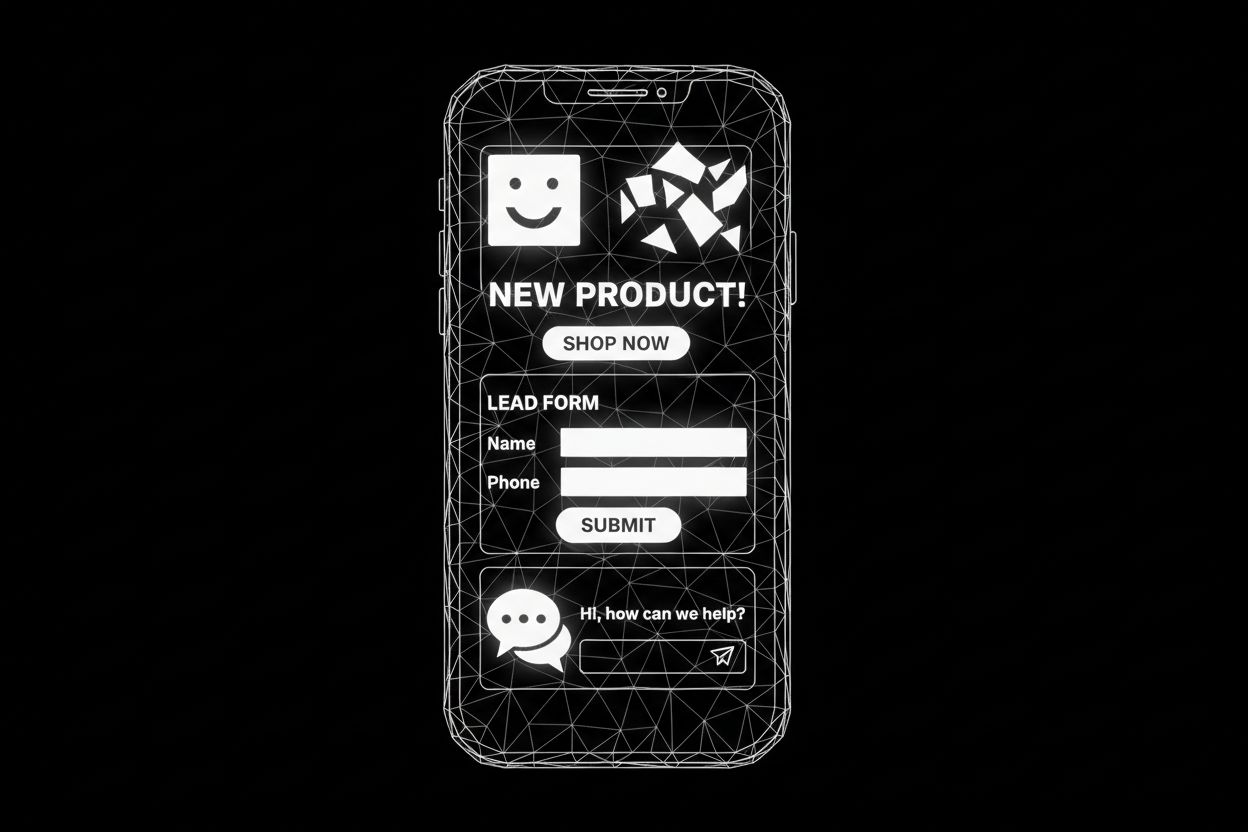
Today, sales leads come from many places at once. The strongest lead generation systems do not rely on one channel. They combine search, social, ads, chat, content, and direct outreach so people can enter the funnel in the way that feels most natural.
Here are the most common sources.
Website forms and landing pages. These are still a core source of leads because they capture high-intent visitors who are already exploring a solution.
Content offers. Guides, checklists, calculators, and reports can turn anonymous traffic into known leads.
Webinars and events. When someone gives you their details to attend, they are often a strong lead because they have invested time already.
Social media. Posts, comments, DMs, and profile clicks can all create interest before a form is ever filled out. That is why automated social media can be so useful for keeping your brand visible without disappearing between campaigns.
Paid ads. Meta lead ads, search ads, and TikTok lead generation campaigns can collect details fast, especially when the offer is simple and the follow-up is fast. If you run paid campaigns at scale, paid ads management matters because lead quality is often more important than raw volume.
AI chat agents. A website chat flow can ask a few simple questions, answer common objections, and route the lead to the right person in real time. A setup like automated AI chat agents is especially useful when response speed affects conversion.
Referrals and partners. A trusted referral often starts further along the buying journey than a cold contact.
Outbound prospecting. Sales teams still create leads through targeted email, LinkedIn, calls, and account-based outreach.
A modern funnel usually looks like this: attention, interest, contact capture, qualification, and follow-up. If those steps feel messy, a strong lead generation and marketing automation workflow can keep the process moving without letting hot opportunities sit untouched.
Examples by business type
A lead does not look the same in every industry. The trigger changes depending on what you sell.
SaaS: A visitor starts a free trial, requests a demo, or downloads a product comparison guide.
Services: A business owner asks for a quote, books a consultation, or fills out an enquiry form.
Retail and ecommerce: A shopper joins a waitlist, joins SMS updates, or submits a quiz to get a product recommendation.
Enterprise sales: A decision-maker attends a webinar, downloads a research report, or responds to an account-based outreach campaign.
The better your lead capture matches the buying behavior of your audience, the easier it is to qualify them later.
How to know whether a lead is worth sales time
Not every lead deserves an immediate sales call. Some leads should be nurtured first. Others are a poor fit and should be disqualified quickly so the team can focus on better opportunities.
A simple way to judge lead quality is to ask five questions.
1. Does the lead fit your ideal customer profile?
Ask whether they match the kind of company or person you usually close. Look at industry, company size, role, geography, and use case.
2. Do they have a real need?
A lead who is casually browsing is not the same as a lead with a painful problem they want to solve now.
3. Do they have buying authority or access to it?
If they are not the decision-maker, can they influence the decision or bring in the right people?
4. Is there a timeline?
Someone buying this quarter is more valuable than someone with a vague maybe-someday goal.
5. Have they shown engagement?
Repeated visits, form fills, replies, demo bookings, and pricing page views all matter.
You can turn those questions into a quick score.
4 to 5 yes answers: Sales should likely follow up now
2 to 3 yes answers: Keep nurturing and collect more context
0 to 1 yes answers: The lead is probably not ready or not a fit
Red flags that the lead may not be real
Fake or disposable contact details
No clear role or company information
A request that is far outside your offer
Unrealistic expectations on budget or timeline
Low engagement across multiple touchpoints
The goal is not to reject people too early. The goal is to spend time where it can actually turn into revenue.
Lead quality metrics that matter
If you only track total lead volume, you can fool yourself into thinking the funnel is healthy when it is not. A better sales lead strategy tracks quality, speed, and conversion, not just quantity.
Here are the metrics worth watching.
Speed to lead
How fast does your team respond after a lead comes in? In many markets, speed is the difference between winning the lead and losing it.
Lead-to-opportunity rate
What percentage of leads become real opportunities? This tells you whether your front end is attracting the right audience.
MQL to SQL rate
How many marketing qualified leads actually make it to sales qualified status? If this number is weak, your qualification criteria may be too loose or your message may be attracting the wrong people.
Cost per qualified lead
A cheap lead is not always a good lead. Track what you actually pay for the leads that become opportunities, not just the leads that fill a form.
Show-up rate
If people book calls but do not attend, your messaging, reminders, or expectations may need work.
Close rate by source
Leads from search may close differently than leads from TikTok, Meta, referrals, or webinars. Track each channel separately.
The best teams do not ask, “How many leads did we get?” They ask, “Which leads turned into revenue, and why?”
How to turn a lead into pipeline

Once a lead enters your system, the real work begins. A lead capture form is not a strategy by itself. The follow-up process is what makes the lead valuable.
1. Capture the data correctly
Every lead should land in one place with the source, the contact details, and the original action that created it. If that information is scattered, follow-up becomes guesswork.
2. Respond fast
Fast response builds trust. If someone just asked about your service, they are usually comparing options now, not next month.
3. Qualify with a short, useful conversation
Do not turn the first message into an interrogation. Ask a few questions that help the lead move forward, such as:
What problem are you trying to solve?
What happens if this stays unsolved?
What timeline are you working with?
Who else is involved in the decision?
4. Route the lead to the right place
Some leads should go to sales immediately. Others should go into nurture. Others should be assigned to a specific rep based on region, industry, or product line.
A proper CRM makes this much easier. If you want a clearer view of how that fits together, read what is CRM in marketing. That same system is what supports marketing and sales automation, especially when lead volume starts to grow.
5. Nurture leads that are not ready
Not every lead is ready to buy today. Some need proof, education, retargeting, or social trust before they convert. That is where email sequences, retargeting ads, and consistent social content help keep your brand in the mix.
6. Review and improve the process
Look at which sources produce the best opportunities, where leads stall, and which messages drive replies. Over time, the pattern becomes obvious.
A strong lead process is not about adding more noise. It is about removing friction from the path to a conversation.
Common mistakes businesses make with leads
Even good teams make the same mistakes over and over.
Treating every lead the same. A webinar attendee and a random form fill should not get the same follow-up.
Waiting too long to respond. A slow reply can kill momentum.
Asking too much too soon. Too many questions can push warm leads away.
Ignoring lead source. If you do not know where the lead came from, you cannot improve the channel.
Relying on one channel only. When one source slows down, the whole pipeline suffers.
Failing to nurture. Some of your best future customers are not ready yet.
Skipping automation. Manual handoffs break when volume rises.
The fix is usually not more hustle. It is better systems.
FAQ about sales leads
Is a lead the same as a prospect?
No. A lead has shown interest or entered your system. A prospect is a lead that has been qualified as a stronger fit and is worth active pursuit.
When does a lead become an opportunity?
A lead becomes an opportunity when there is a real sales process in motion, such as a discovery call, demo, proposal, or negotiation.
What is the difference between MQL and SQL?
An MQL is a marketing qualified lead that is ready for more nurturing or review. An SQL is a sales qualified lead that sales has accepted for direct follow-up.
What is the fastest way to improve lead quality?
Improve your targeting, tighten your qualification rules, and track which channels create the best opportunities, not just the most leads.
How many times should sales follow up with a lead?
There is no universal number, but one follow-up is rarely enough. The best approach is a thoughtful sequence across email, calls, and social touchpoints, adjusted to the lead’s intent.
Final thoughts
So, what is lead in sales really about? It is the beginning of a relationship with a potential buyer. A lead is the first sign of interest, but the real value comes from what your team does next. Capture the lead accurately, qualify it quickly, and move it through a clear process.
If you build the right mix of content, ads, social media, CRM, and automation, lead generation stops feeling random. It becomes a system that consistently creates conversations, opportunities, and customers.