Lead Generation and Marketing Automation Guide for 2026 Success
Master lead generation and marketing automation in 2026 with proven strategies, AI-driven tactics, top tools, and expert tips to boost conversions and revenue.
Dec 26, 2025
In 2026, competition is fierce and customer expectations are higher than ever. Businesses need to master lead generation and marketing automation to thrive in this dynamic environment.
This guide equips marketers, sales leaders, and business owners with proven strategies and the latest insights to drive sustainable growth. You will learn how to synergize lead generation and marketing automation for maximum conversions, efficiency, and revenue.
Explore the fundamentals, advanced automation techniques, AI-driven personalization, top platforms, and essential metrics. Get ready to future-proof your strategy and outperform the competition with actionable steps.
The Evolution of Lead Generation and Marketing Automation
In 2026, lead generation and marketing automation are transforming how businesses capture and convert prospects. The shift is fast, data-driven, and essential for any company aiming to thrive in a crowded digital marketplace.
The Changing Landscape in 2026
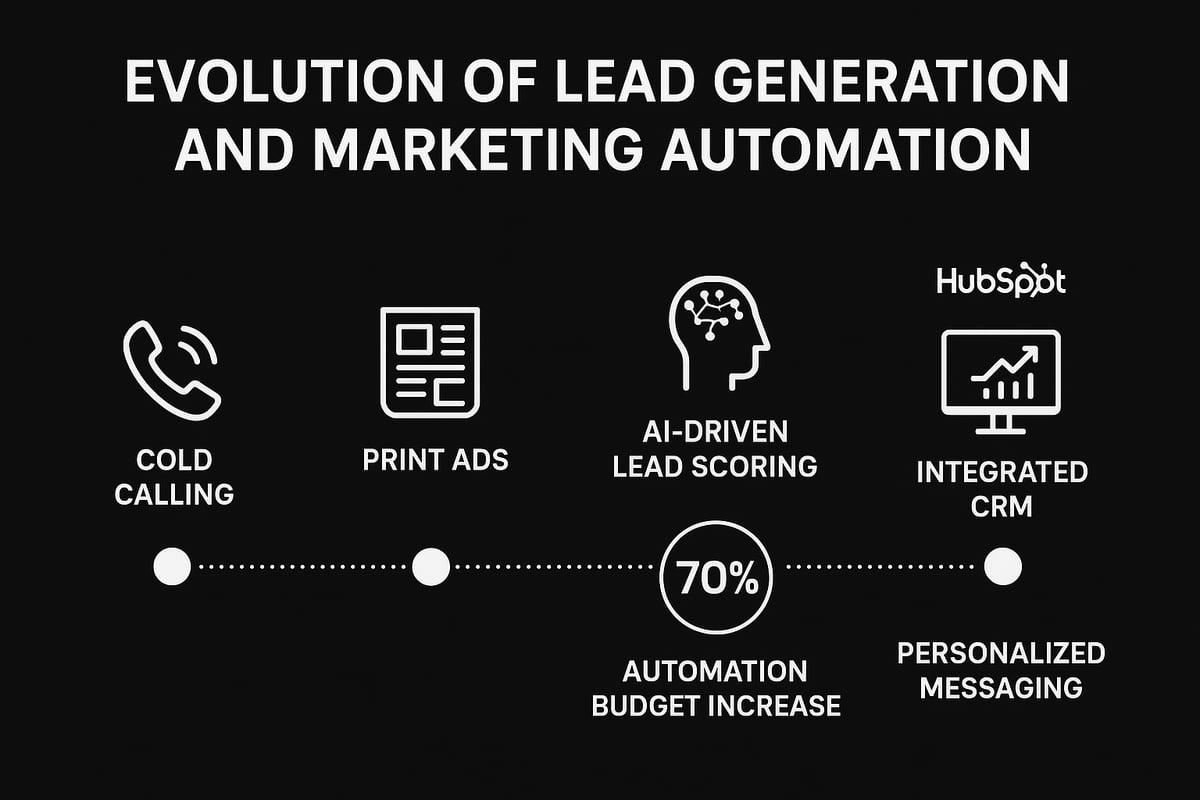
The landscape of lead generation and marketing automation has shifted dramatically from traditional methods to digital-first, intent-based strategies. Buyers are more sophisticated, conducting research across channels before engaging with sales. As a result, companies must rethink their approach.
Modern B2B and high-ticket B2C sectors now depend on lead generation and marketing automation to manage longer sales cycles and complex buyer journeys. According to Statista (2025), 70% of marketers are increasing automation budgets year-over-year, a clear indicator of industry momentum.
Old tactics, such as mass cold calling and generic email blasts, are quickly being replaced by data-driven outreach. The focus is now on identifying buyer intent, leveraging analytics, and targeting prospects at the right moment. Businesses integrating marketing and sales functions can create seamless, personalized customer experiences at scale.
For example, organizations using platforms like HubSpot and Marketo streamline every touchpoint, from initial engagement to conversion. By adopting a unified approach, they ensure that marketing insights directly inform sales actions, increasing efficiency and results. Companies that fail to embrace lead generation and marketing automation risk falling behind competitors who are faster, smarter, and more responsive.
To explore how integration can boost results, see this Lead Generation Marketing Automation resource.
Why Integration is Non-Negotiable
Integrating lead generation and marketing automation is no longer optional, it is a necessity for businesses aiming to scale and compete effectively. Siloed systems, where marketing and sales operate independently, often result in poor lead handoff, missed opportunities, and wasted marketing spend.
Only 41% of marketers feel their customer journey is automated enough, according to Statista (2025). This gap highlights the need for connected processes that nurture leads from first touch to sales-ready status. When marketing and sales teams share data and automation workflows, they can track lead engagement, score prospects accurately, and deliver timely follow-ups.
Automation bridges the gap between lead generation and sales, ensuring that every lead is nurtured until they are ready to buy. Automated workflows trigger personalized messages based on behavior, qualify leads, and route them to the right sales reps.
The benefits are clear: improved lead quality, faster response times, and higher conversion rates. Businesses that invest in integrated lead generation and marketing automation position themselves for sustainable growth and long-term success.
Step-by-Step: Automating Lead Generation for 2026
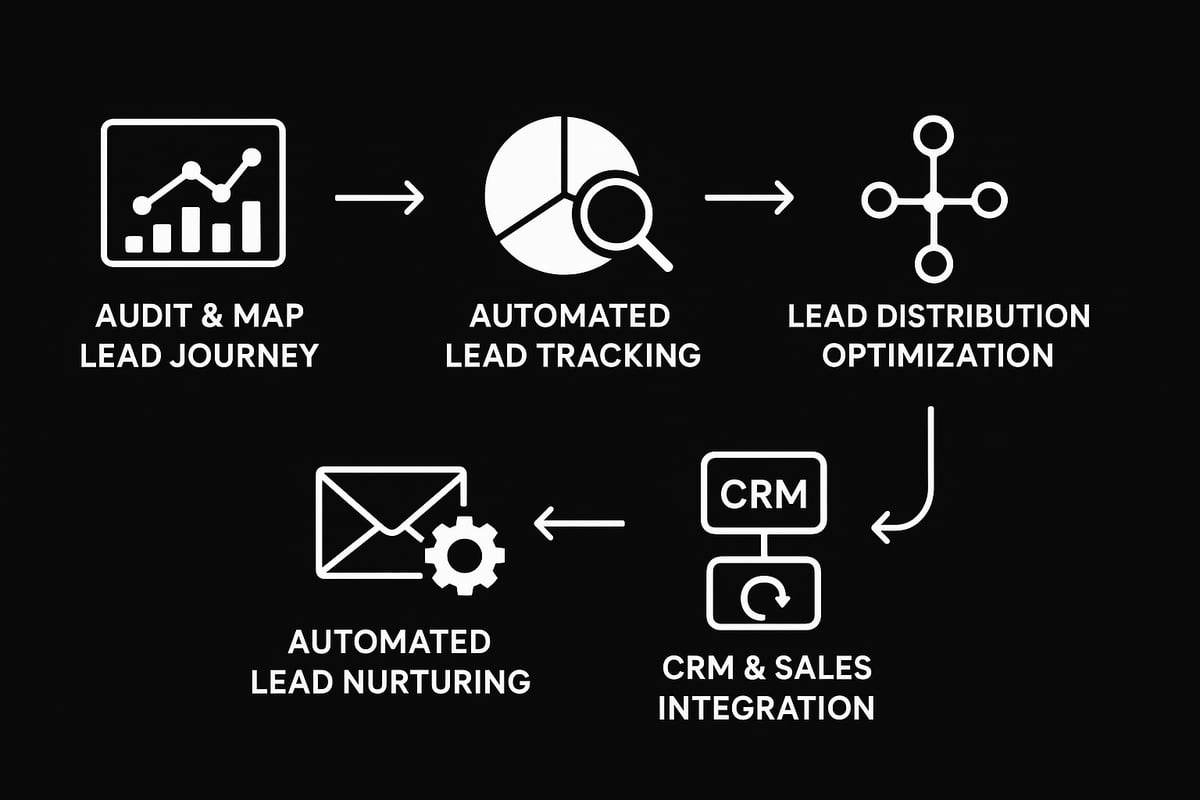
Modern lead generation and marketing automation demand a systematic approach. To thrive in 2026, businesses must assess, automate, and refine each stage of their lead process. Below, discover a proven, five-step blueprint for automating lead generation and marketing automation for optimal growth.
Step 1: Audit and Map Your Lead Journey
Begin by auditing your current lead generation and marketing automation processes. Identify weak points, bottlenecks, and gaps in your funnel. Use analytics dashboards to visualize campaign performance, such as Phonexa’s unified dashboard, to pinpoint where prospects drop off or disengage.
Create a customer journey map that tracks each touchpoint from first contact through conversion and retention. Ask yourself:
Where do leads come from?
How are they qualified and nurtured?
Which steps cause friction or delay?
A thorough map allows you to target automation efforts for maximum ROI. For a deeper dive into practical lead journey mapping, consult this Lead Generation How-To Guide.
Step 2: Implement Automated Lead Tracking
Next, deploy tools that capture, segment, and monitor leads across all digital channels. Automated lead tracking ensures data accuracy, speeds up response times, and improves qualification rates. Leading platforms can track:
Web interactions
Email engagement
Social media touchpoints
Use systems like LMS Sync for granular data collection. Automated tracking also supports compliance and delivers real-time insights, which are critical for effective lead generation and marketing automation. In fact, 43% of marketers say improved customer experience is the top benefit of automation.
Step 3: Optimize Lead Distribution
Once leads are tracked, set up dynamic rules for distribution. This step is vital for maximizing the effectiveness of your lead generation and marketing automation strategy. Consider:
Strategy | Description |
|---|---|
Price-based | Assign leads by potential deal value |
Priority-based | Route hottest leads to top reps |
Weight-based | Balance workloads across your team |
Ping post | Offer leads to multiple buyers simultaneously |
Even distribution | Ensure fair allocation among sales reps |
For example, high-ticket affiliate marketers often use price-based lead distribution to maximize revenue. Flexible distribution ensures that qualified leads reach the right teams quickly, driving better results.
Step 4: Leverage Automated Lead Nurturing
Keep leads engaged with automated nurturing sequences. Trigger personalized emails, SMS campaigns, or retargeting ads based on user behavior and lifecycle stage. Benefits include:
Continuous engagement
Education and value delivery
Shortened sales cycles
Examples include sending thank-you emails after form submissions, offering tailored content, or inviting leads to webinars. Automated nurturing is a core pillar of lead generation and marketing automation, ensuring prospects stay connected until they are sales-ready.
Step 5: Integrate with Sales and CRM Systems
Finally, integrate your marketing automation tools with CRM and sales platforms. This integration enables seamless handoff, real-time tracking, and unified reporting. Benefits include:
Accurate lead status updates
Streamlined follow-up
Comprehensive engagement history
Platforms like Salesforce and HubSpot allow closed-loop reporting, so every lead’s journey is visible from inquiry to sale. This step solidifies the connection between lead generation and marketing automation, supporting continuous optimization and higher conversion rates.
Building and Refining Lead Scoring Systems
In the fast-paced world of lead generation and marketing automation, prioritizing high-potential prospects is more critical than ever. Effective lead scoring systems ensure that sales teams focus their efforts where it matters most, boosting conversion rates and maximizing ROI. As we enter 2026, building and refining these systems requires a blend of data-driven strategy, advanced technology, and regular optimization.
Fundamentals of Lead Scoring in 2026
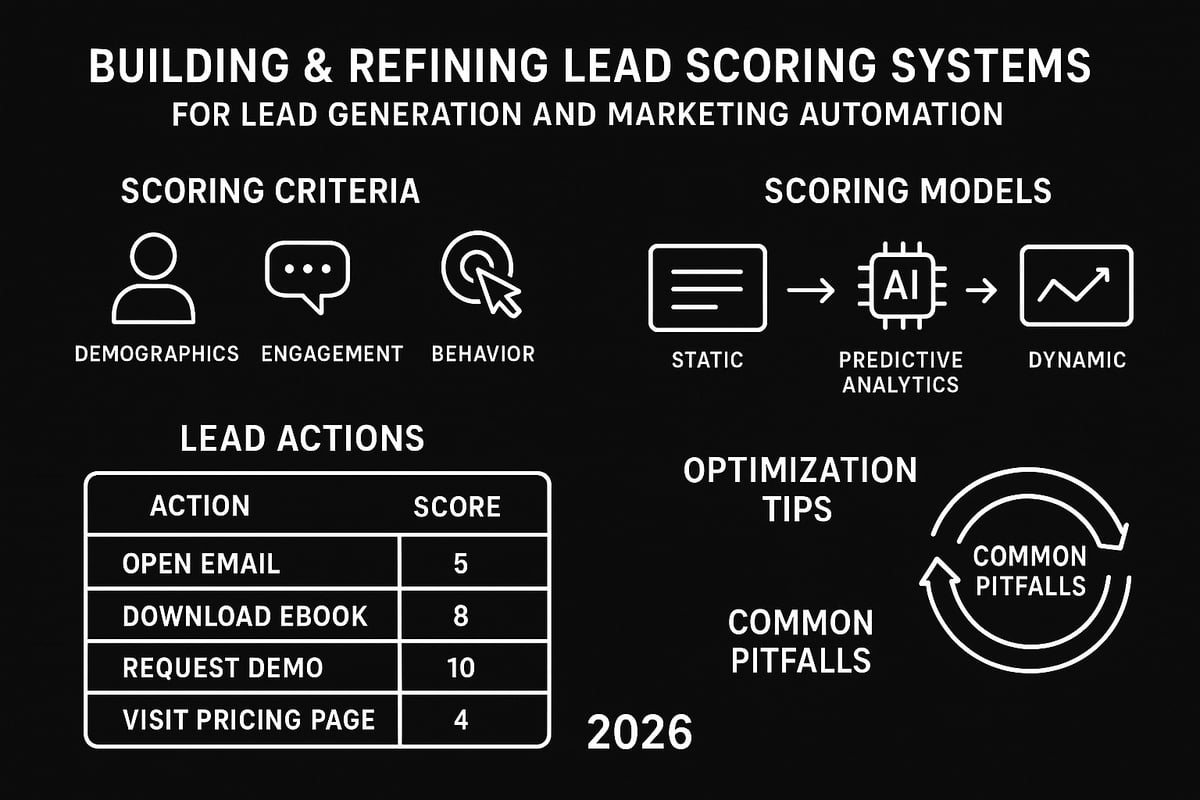
Lead scoring is the process of assigning values to leads based on their actions, demographics, and engagement. In the context of lead generation and marketing automation, this method helps teams prioritize prospects who are most likely to convert.
Consider a simple example:
Action | Score |
|---|---|
Download whitepaper | 1 |
Attend webinar | 5 |
Request a demo | 10 |
By tracking these activities, businesses can tailor outreach and allocate resources effectively. With only a fraction of leads ready to buy, lead scoring ensures focus on the highest-value opportunities.
A recent shift in lead generation and marketing automation strategies emphasizes the need for precise qualification. Sales teams benefit from scoring because it removes guesswork and speeds up the sales cycle. To dive deeper into best practices and real-world examples, see this resource on Lead Scoring and Qualification.
Setting Up Dynamic and Predictive Scoring Models
Static lead scoring models are no longer sufficient for modern lead generation and marketing automation. In 2026, dynamic and predictive scoring models leverage AI and behavioral data to provide real-time insights. These models adjust scores based on a lead's intent, historical interactions, and engagement patterns.
For example, predictive modeling software can simulate potential campaign outcomes. This helps marketing teams refine scoring thresholds and optimize their approach. Behavioral data, such as website visits or content downloads, informs the system when to update a lead’s score.
Regular audits are essential. As new channels and buyer behaviors emerge, the lead generation and marketing automation process must evolve. Adjust scoring models to include new event types, content formats, and intent signals. This keeps your system aligned with changing market demands and maximizes efficiency.
Common Pitfalls and Optimization Tips
Many organizations fall into the “set and forget” trap with lead scoring. However, the landscape of lead generation and marketing automation is too dynamic for static systems. Over-contacting leads or failing to align scoring with actual sales readiness can waste resources and harm brand reputation.
To avoid common pitfalls:
Audit scoring models quarterly.
Incorporate cross-channel data for a holistic view.
Adjust scores when introducing new digital interactions or event types.
Optimization should be a continuous process. Gather feedback from sales and marketing teams to refine criteria. In lead generation and marketing automation, ongoing improvement is crucial for staying ahead of competitors and ensuring your strategy delivers measurable results.
Harnessing AI and Personalization in Automation
Artificial intelligence is redefining the landscape of lead generation and marketing automation in 2026. With smarter algorithms, businesses can now identify, qualify, and nurture leads at a scale never before possible. AI-driven solutions analyze vast datasets in real time, uncovering subtle patterns in buyer intent and timing.
This shift empowers marketers to predict which prospects are most likely to convert, and when. AI tools can trigger personalized outreach at the optimal moment, driving higher engagement and accelerating the path from lead to customer. As adoption rises, the competitive advantage of integrating AI into lead generation and marketing automation becomes undeniable.
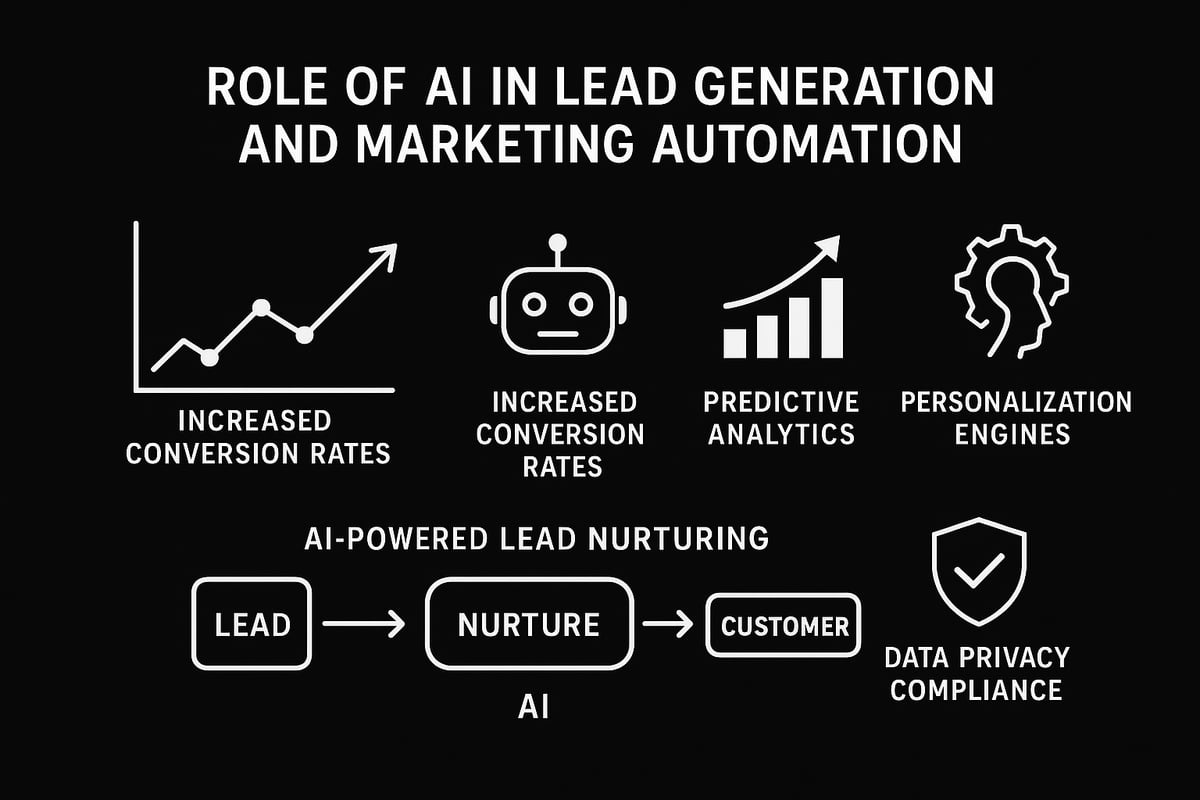
AI-Driven Lead Generation: What’s New in 2026
AI now plays a critical role in every stage of lead generation and marketing automation. Advanced platforms leverage machine learning to analyze user behavior, segment audiences, and score leads based on engagement and intent signals.
For example, AI-powered systems predict the best times to reach out, recommend content tailored to each lead, and automate responses through chatbots. These innovations not only improve efficiency but also drive higher conversion rates.
According to recent industry data, more businesses are prioritizing AI adoption to stay ahead of competitors. If you want to explore these advancements further, check out Marketing Automation Using AI.
Personalization Across the Funnel
Personalization is no longer optional in lead generation and marketing automation. AI enables marketers to deliver hyper-personalized experiences at every touchpoint, from the first email to post-sale follow-ups.
Tactics include:
Dynamic email content that adapts to recipient behavior
Chatbots that answer specific questions and guide users through the funnel
Website personalization, such as tailored calls to action or product recommendations
By leveraging AI, businesses can keep leads engaged, nurture relationships, and significantly boost conversion rates.
Automation Tools and Platforms for AI-Driven Success
The right technology stack is essential for effective lead generation and marketing automation. Leading platforms like HubSpot, Marketo, and ActiveCampaign now integrate sophisticated AI features, making advanced targeting and personalization accessible to all.
Platform | AI Features | Integration Level |
|---|---|---|
HubSpot | Predictive lead scoring, chatbots | High |
Marketo | Behavior analytics, dynamic content | High |
ActiveCampaign | Automated segmentation, journey mapping | Medium |
Phonexa | HitMetrix for website engagement | Medium |
Additionally, tools like Phonexa’s HitMetrix provide visual insights into how leads interact with your website, helping optimize forms and user journeys for better results.
Data Privacy and Compliance Considerations
As AI enhances lead generation and marketing automation, safeguarding user data remains a top priority. Compliance with regulations such as GDPR and CCPA is essential to maintain trust and avoid penalties.
Best practices include:
Transparent consent collection
Automated consent recording within your CRM
Regular audits of data usage and retention
Leveraging fraud prevention tools for added security
Striking the right balance between personalization and privacy ensures your automation strategy is both effective and ethical.
Measuring, Analyzing, and Optimizing for Continuous Success
Achieving peak results with lead generation and marketing automation requires a disciplined approach to measurement and continuous improvement. As competition intensifies in 2026, organizations must not only capture leads but also analyze every interaction to optimize outcomes and maximize ROI.
Defining and Tracking Key Metrics
To succeed with lead generation and marketing automation, you need to define clear key performance indicators (KPIs). These metrics provide the foundation for evaluating campaign effectiveness and guiding future strategies.
Common KPIs include:
Marketing Qualified Leads (MQLs)
Sales Qualified Leads (SQLs)
Conversion rates
Pipeline velocity
Revenue attribution
A well-structured dashboard allows you to track lead progression from inquiry to closed deal. For example, the 2025 REALTORS® Technology Survey Report highlights how industry leaders are investing in technology to monitor these metrics. Historical data, such as average sales cycle length, informs realistic goal setting and reveals areas for improvement.
KPI | Definition | Purpose |
|---|---|---|
MQL | Marketing-engaged lead | Measures marketing impact |
SQL | Sales-ready lead | Prioritizes sales activity |
Conversion Rate | % of leads converted | Assesses campaign effectiveness |
Pipeline Velocity | Speed of deal progression | Identifies bottlenecks |
Revenue Attribution | Revenue tied to each campaign | Optimizes budget allocation |
Using Analytics for Campaign Optimization
Analytics are central to lead generation and marketing automation success. Built-in dashboards and third-party integrations provide deep insights into campaign performance, enabling data-driven adjustments that boost results.
With advanced analytics, you can compare channels, identify underperformers, and reallocate resources for maximum impact. Platforms like Adobe are now launching AI-powered tools that help businesses create superior customer experiences and optimize marketing performance. For example, Adobe's New AI Tools for Customer Experience deliver actionable suggestions to refine targeting, nurturing, and conversion strategies.
Key steps include:
Reviewing channel performance regularly
Identifying content gaps or drop-off points
Refining audience segments based on engagement
This proactive approach ensures your lead generation and marketing automation campaigns remain agile and effective.
Forecasting and Predictive Modeling
Forecasting is essential for anticipating campaign outcomes and managing risk. By leveraging predictive analytics, you can estimate conversion rates, pipeline growth, and ROI before launching new initiatives.
Modern platforms simulate campaign variables, helping you optimize targeting and messaging for better results. For lead generation and marketing automation, predictive modeling highlights which channels or content types are likely to deliver the highest returns. Analyzing historical patterns and current trends allows you to set realistic targets and adjust strategies proactively.
Use forecasting to:
Project revenue and lead volumes
Identify emerging opportunities or threats
Allocate budgets for maximum efficiency
Data-driven forecasting strengthens your competitive edge and accelerates growth.
Continuous Improvement Loops
Continuous improvement is the backbone of long-term lead generation and marketing automation success. Set up regular review cycles to examine campaign results, collect team feedback, and iterate on every aspect of your process.
Recommended improvement loop:
Conduct quarterly audits of lead scoring models and assets
Analyze campaign data for trends and anomalies
Gather feedback from sales and marketing teams
Update automation workflows and content accordingly
By embracing a culture of ongoing optimization, you ensure that your lead generation and marketing automation strategy evolves with market demands. This approach keeps you ahead of competitors and drives sustainable business growth.
Future-Proofing Your Lead Generation and Marketing Automation Strategy
Staying ahead with lead generation and marketing automation means anticipating industry shifts and adapting quickly. As digital transformation accelerates, organizations must rethink how they attract, nurture, and convert leads to stay competitive in 2026 and beyond.
Emerging Trends for 2026 and Beyond
In 2026, lead generation and marketing automation are transforming with conversational AI, voice search, and omnichannel engagement at the forefront. Chatbots now handle complex lead queries, while voice-activated forms capture prospects across devices. Advanced attribution modeling empowers marketers to pinpoint which touchpoints drive conversions.
According to Statista, 38 percent of marketers use automation primarily to save time, while 35 percent focus on improving data accuracy. The industry is also witnessing a surge in AI-powered campaigns, with developers noting the growing influence of automation on marketing roles, as seen in AI's Impact on Marketing Departments. Staying current with these trends is essential for future-ready strategies.
Building Agility into Your Tech Stack
Agility is critical for lead generation and marketing automation success. Businesses must invest in flexible, scalable platforms that adapt to emerging channels and technologies. Modular automation suites allow seamless integration with CRM, analytics, and new marketing tools, ensuring your stack evolves with business needs.
By choosing solutions that support open APIs and workflow customization, you reduce the risk of costly migrations. This strategic approach to tech adoption helps organizations respond quickly to change and maintain a competitive edge. As the landscape shifts, agile infrastructures keep your lead generation and marketing automation initiatives resilient.
Training and Change Management for Teams
A future-proof lead generation and marketing automation strategy depends on skilled teams who embrace change. Upskilling staff with regular training sessions ensures everyone stays current with automation tools and data-driven practices. Cross-functional collaboration between marketing, sales, and IT fosters a culture of innovation and shared responsibility.
Leadership buy-in is crucial for driving adoption and maximizing ROI. Empowering teams to experiment and iterate on new processes encourages continuous improvement. Ultimately, human expertise remains vital for interpreting insights, refining automation, and aligning technology with business goals.
Case Studies and Real-World Success Stories
Real-world examples underscore the transformative power of lead generation and marketing automation. For instance, a B2B firm increased revenue by 30 percent year-over-year after integrating AI-driven lead scoring and automated nurturing workflows. Other brands have shortened their sales cycles and improved conversion rates by personalizing outreach and optimizing touchpoints.
Research on LLM-Generated Ads: Personalization and Persuasion highlights how AI-driven content boosts engagement and persuasion. These successes demonstrate that a strategic, adaptive approach to lead generation and marketing automation delivers measurable results and secures long-term growth.
If you’re ready to put these strategies into action and take your lead generation and marketing automation to the next level in 2026, let’s connect. We’ve explored how integrating AI, automation, and smart workflows can help your business save time, boost efficiency, and drive sustainable growth. Whether you want to fine tune your current processes or build a future proof system from the ground up, I’m here to help you navigate these changes with confidence. Why not Book a free consultation and discover how your business can stay ahead of the curve?