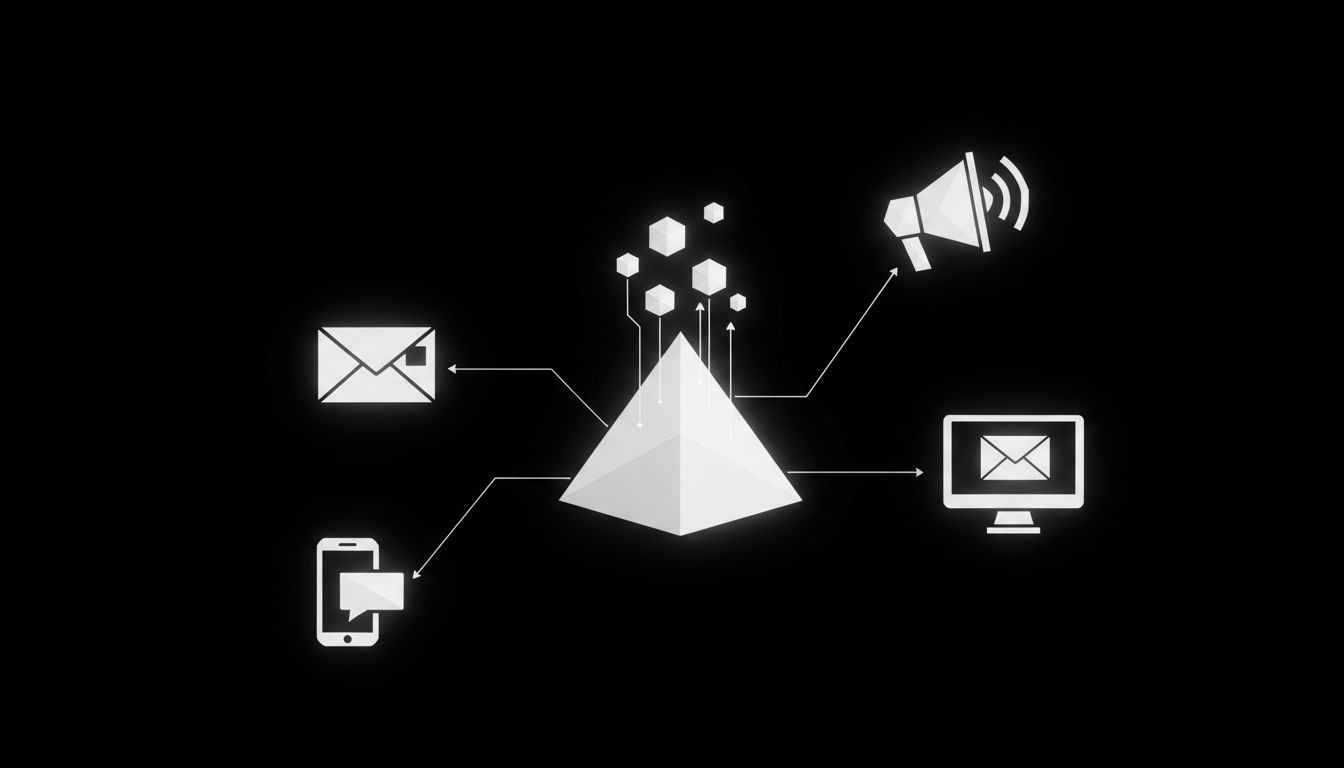
What Is Direct Marketing? A Practical Guide to Channels, Benefits, and Compliance
Learn what direct marketing is, how it works, key channels, metrics, and compliance rules so you can turn targeted outreach into leads and sales fast.
Direct marketing is what happens when a business speaks to a specific person or a selected audience and asks for a clear action, such as booking a call, buying, replying, or signing up. It is built for response, not just awareness, which is why it shows up so often in email, SMS, direct mail, telemarketing, and paid social campaigns. For brands that want leads now, it is one of the simplest ways to turn attention into measurable results. (ico.org.uk)
What direct marketing means in plain English
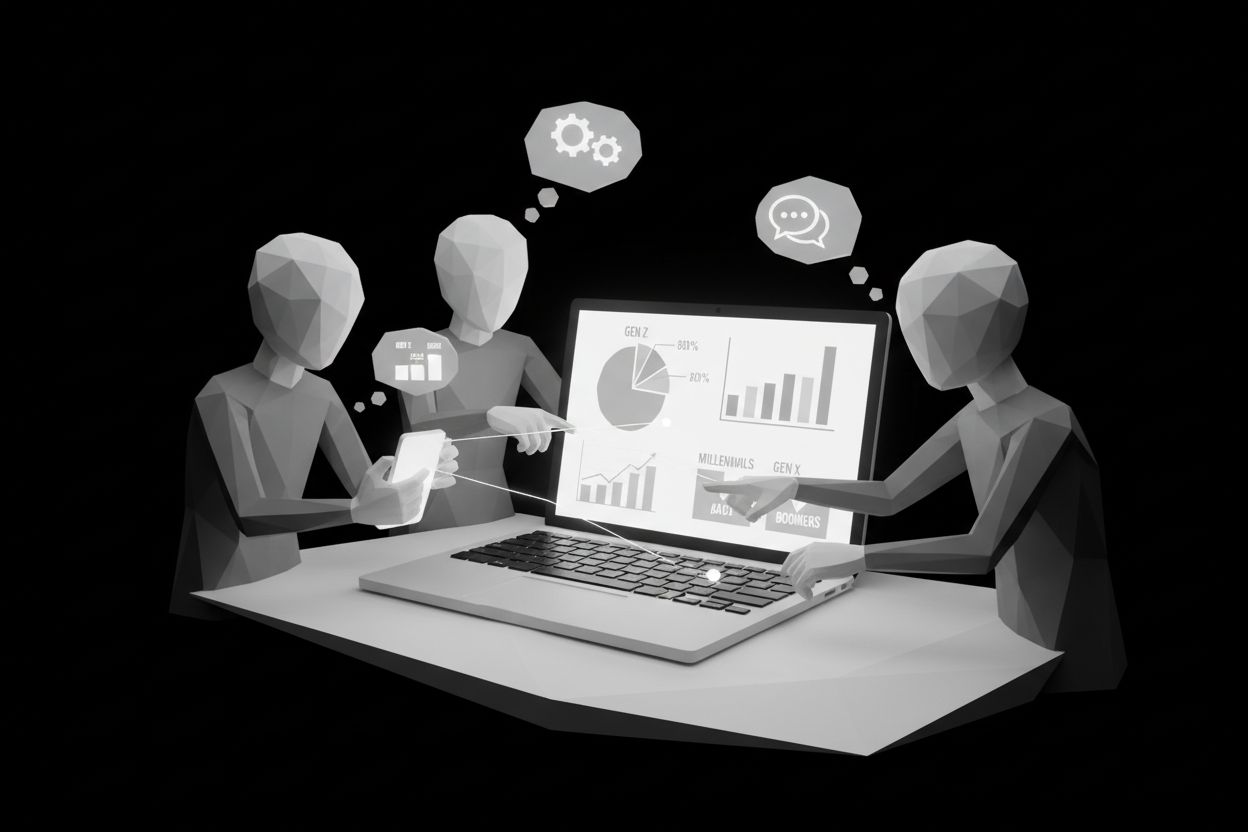
In plain English, direct marketing is targeted outreach. Instead of sending one message to everyone, you send a message to a selected list or segment and ask for a specific action. The action could be a click, reply, booking, purchase, donation, or download. That is why direct response campaigns often use strong offers, one call to action, and clear tracking. (blog.hubspot.com)
A simple example is a SaaS company sending a demo invitation to trial users who visited the pricing page, or a local service business sending a text reminder to people who requested information. Same idea, different channel. The point is always the same, make the next step obvious and relevant. (blog.hubspot.com)
If you want the systems behind that workflow, our lead generation and marketing automation guide shows how to connect the capture point to follow-up.
How direct marketing works
Most campaigns follow a simple flow. First, you define the audience. Then you choose the channel, create the offer, write the CTA, and send traffic or replies to a page, inbox, or sales team. The best campaigns are planned around data and preferences from the start, which is exactly how the ICO recommends approaching direct marketing. (ico.org.uk)
The main advantage is feedback. You do not have to guess whether the message landed because you can watch clicks, replies, conversions, and revenue by channel. That is why direct marketing is so useful for lead generation, especially when you want to test a message quickly and improve it on the next send. (blog.hubspot.com)
The other advantage is speed. A direct marketing campaign can move from audience selection to response in a single day, which makes it useful for launches, promotions, demo pushes, event sign-ups, and reactivation campaigns. (blog.hubspot.com)
Common direct marketing channels and real-world examples
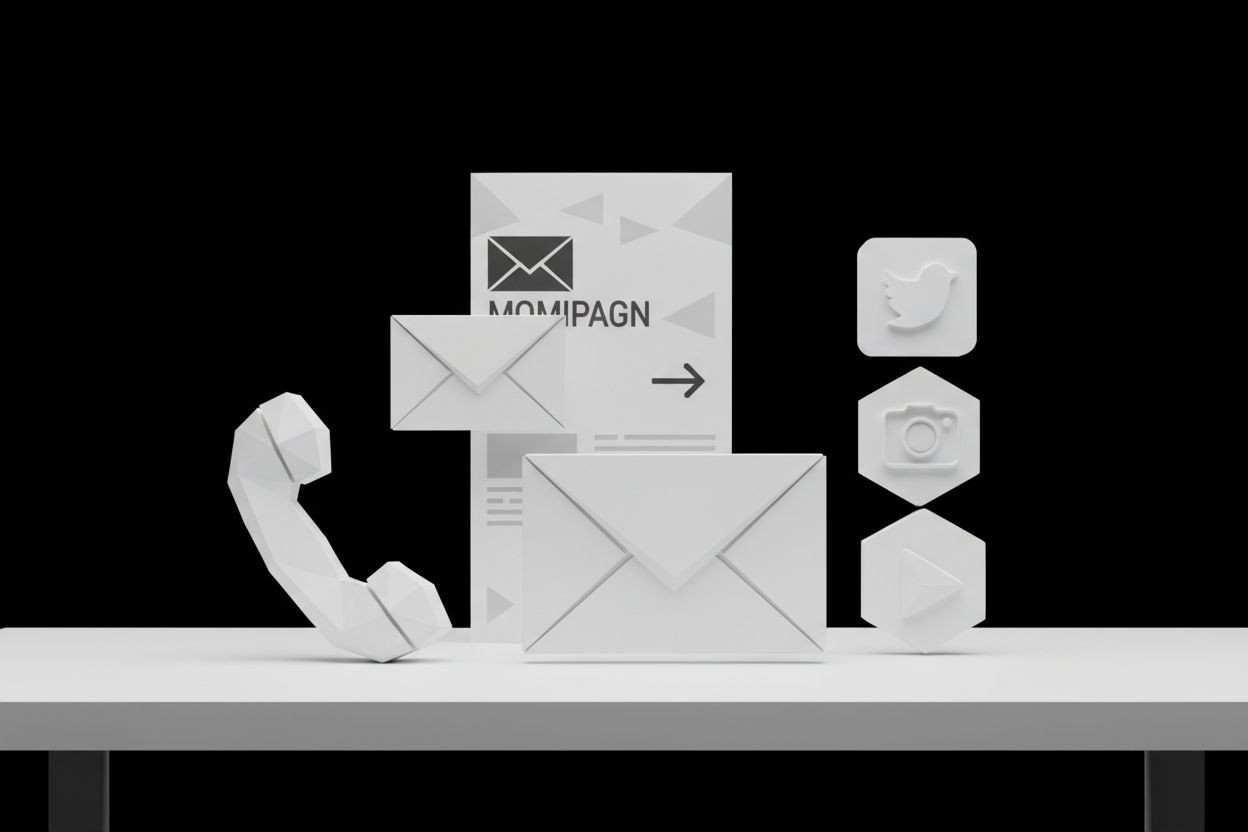
Direct marketing is not one channel. It is a playbook that can run through email, direct mail, text, phone, social ads, and automated workflows. The right choice depends on your audience, your budget, and how fast you need a response. (salesforce.com)
Email: Email is one of the clearest forms of direct marketing. Salesforce describes email marketing as direct marketing, and the FTC requires truthful headers, a real postal address, and a visible opt-out for commercial email. That makes email ideal for lead nurture, abandoned cart messages, and repeat sales. (salesforce.com)
Direct mail: Direct mail still earns attention because it feels personal and physical, and Mailchimp shows it can even be automated through CRM workflows. It can work especially well when the message needs to feel memorable or high value. (blog.hubspot.com)
SMS: SMS is fast and immediate, which makes it a strong channel for reminders, confirmations, and time-sensitive offers. HubSpot describes SMS marketing as a direct and immediate way to reach your audience. (hubspot.com)
Telemarketing: Telemarketing is direct marketing, but it is tightly regulated, with rules on disclosures, calling windows, and Do Not Call protections. If you use phone outreach, compliance is part of the channel, not an afterthought. (ftc.gov)
Paid social ads: Direct-response ads on social platforms work well when the creative is specific and the CTA is clear, which is why Meta and TikTok campaigns can be powerful for lead gen. If you are running that kind of funnel, paid ads management should be tied to a landing page with a tight offer. (blog.hubspot.com)
Automation and CRM: The modern direct marketing stack often includes workflow tools that send a message when a lead arrives, manage direct mail, and personalize follow-up based on customer data. That is where marketing and sales automation pays off. (mailchimp.com)
For e-commerce, the mix is often email and SMS. For B2B, it is usually targeted ads, email nurture, and a sales call. For nonprofits, direct mail and email can both work when the ask is specific and the audience is well segmented. (blog.hubspot.com)
Direct marketing vs advertising, inbound, direct selling, and email marketing
Direct marketing gets confused with a few adjacent ideas, but the differences matter when you are planning lead generation. Knowing the distinction helps you choose the right message, channel, and KPI. (blog.hubspot.com)
Direct marketing vs advertising: A brand ad can build awareness broadly, but a direct marketing message is built to provoke a response now. In practice, a paid social ad with a demo CTA is direct marketing, while a campaign focused only on reach and recall is closer to traditional advertising. (salesforce.com)
Direct marketing vs inbound marketing: Inbound attracts people with helpful content, SEO, and social, while direct marketing goes to a chosen audience with a specific offer. Most growth teams use both instead of treating them as rivals. (blog.hubspot.com)
Direct marketing vs direct selling: Direct selling is the sale itself, often one to one. Direct marketing is the communication that gets the prospect moving or supports the sale. (salesforce.com)
Direct marketing vs email marketing: Email marketing is one channel within direct marketing, not the whole category. (salesforce.com)
The practical takeaway is simple. If your goal is to get attention, educate, and build trust over time, you are leaning toward inbound. If your goal is to trigger a measurable next step from a chosen audience, you are in direct marketing territory. (blog.hubspot.com)
Benefits and trade-offs
Used well, direct marketing gives you control over audience, timing, and offer. It also makes feedback easier to measure because each send is tied to a segment or action. That is one reason the ICO treats direct marketing as a useful growth tool, and why marketers lean on conversion and CPL data to judge quality. (ico.org.uk)
The main benefits are:
better personalization
faster response times
clearer attribution
easier testing
stronger lead quality when targeting is tight
The main trade-offs are:
privacy concerns
more compliance work
audience fatigue if you over-send
wasted spend if targeting is weak
possible complaints if the message feels intrusive
The fix is not to send more. It is to send something more relevant, to the right person, at the right time, with an easy next step. (ico.org.uk)
How to build a direct marketing campaign that generates leads
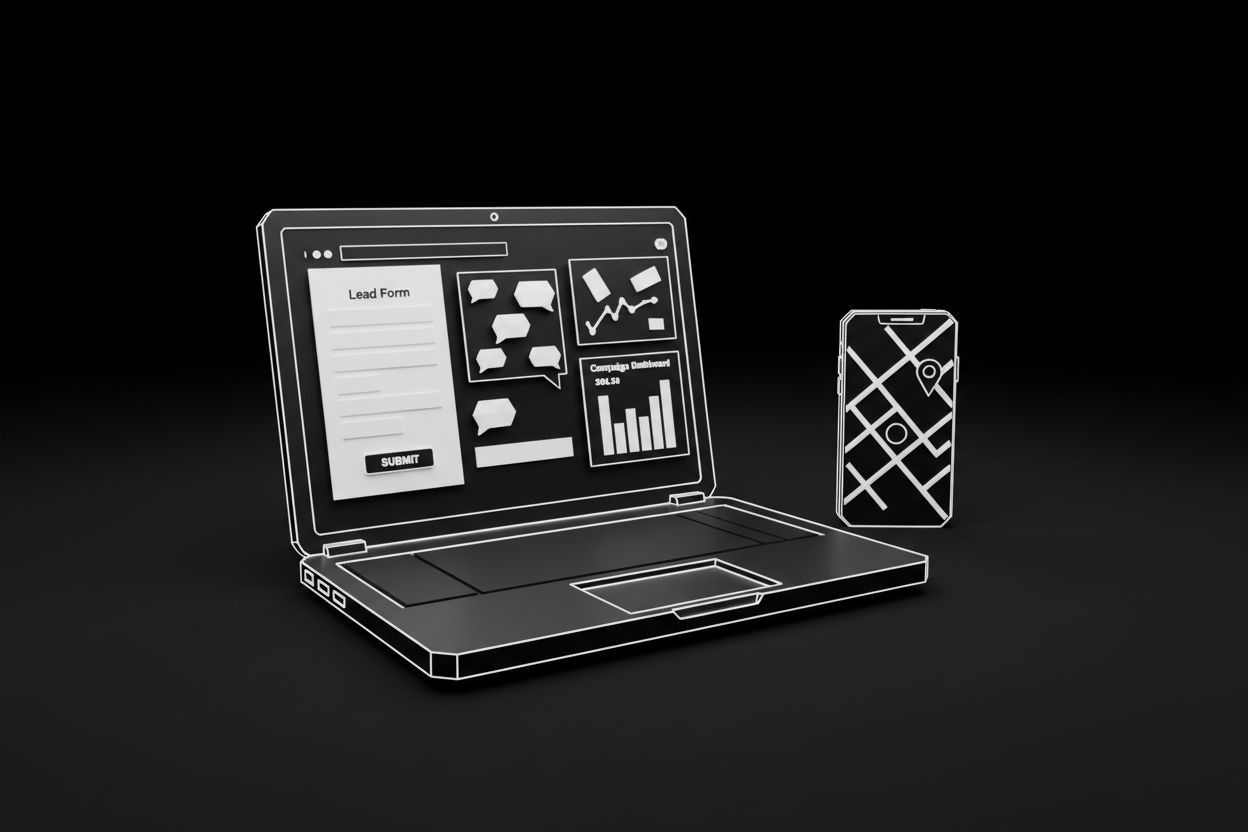
A practical direct marketing campaign is usually simple: one audience, one offer, one action, one follow-up plan. The ICO’s guidance is useful here because it starts with identifying whether the activity counts as direct marketing, then planning how you will collect and use information, and finally respecting preferences. (ico.org.uk)
Define the audience. Start with buyers, subscribers, site visitors, or customers who already showed interest. The tighter the segment, the easier it is to write a message that feels specific.
Pick the channel. If speed matters, email or SMS may be best. If you need physical presence, direct mail can stand out. If your audience is active on social platforms, targeted paid ads can work well.
Craft one offer and one CTA. A demo, free audit, limited-time discount, checklist, or booking link works better than a vague brand message. The reader should know exactly what happens next.
Build the reply path. Keep the landing page short and the form simple. If conversation is part of the sale, automated AI chat agents can handle the first reply, qualify interest, and move the lead to the right place.
Connect the follow-up. Pair the campaign with automated lead generation so new inquiries are scored and routed the moment they arrive.
Test before you scale. Try two subject lines, two offers, or two audiences. Direct response campaigns are built for learning, so the first version should teach you something useful.
Refine based on response. Keep what converts, cut what does not, and update the segment or the offer before the next send.
A simple version of this can look like a cart recovery email for an online store, a demo reminder for a B2B software team, or a call-back message for a local service business. The exact format changes, but the logic stays the same: reach the right person and make the next step obvious. (blog.hubspot.com)
Compliance and privacy rules you should know

This is the part that keeps good campaigns out of trouble. The rules vary by region and channel, but the pattern is always the same: be honest, use the right permission, make opting out easy, and respect the request quickly. (ftc.gov)
U.S. email: CAN-SPAM
The FTC says commercial email must use accurate header information, avoid deceptive subject lines, include a real postal address, and give recipients a clear way to opt out. It also notes that each violating email can be subject to penalties of up to $53,088, so sloppy email practices can get expensive fast. (ftc.gov)
U.S. phone: telemarketing rules
The FTC’s Telemarketing Sales Rule requires material disclosures, prohibits misrepresentations, limits call times, and forbids calls to consumers who have asked not to be called again. If phone outreach is part of your lead engine, this rule belongs in your process map. (ftc.gov)
UK and EU: direct marketing objections
The ICO says direct marketing should be planned responsibly, information should be collected fairly, and people have an absolute right to object to or opt out of direct marketing at any time. Under GDPR, the right to object also covers direct marketing and related profiling. (ico.org.uk)
The safest habit is simple. Keep consent and preference records, make unsubscribe paths obvious, and do not assume a contact list can be used the same way in every channel or region. If you market internationally, check the local rules before you send. (ico.org.uk)
Metrics that tell you if direct marketing is working
Direct marketing is measurable when you set up the tracking before launch. The clearest signals are response rate, conversion rate, CPL, lead-to-customer rate, and channel ROI. For email and SMS, add delivery, clicks, and replies to the list, and use QR codes or UTM codes when the action happens offline or on a separate page. (blog.hubspot.com)
Response rate shows how many people replied, clicked, or took the first action.
Conversion rate shows how many people completed the desired action after the message.
Cost per lead tells you how much you paid for each interested prospect. (salesforce.com)
Lead-to-customer rate tells you whether the leads you generated were actually worth chasing. (salesforce.com)
Channel ROI helps you compare email, SMS, mail, phone, and paid ads side by side. (salesforce.com)
Open rate, click-through rate, and delivery rate are especially useful for email and SMS campaigns. (hubspot.com)
UTM codes, QR codes, and promo codes help you attribute responses to a specific send or offer. (blog.hubspot.com)
When those numbers flow into marketing and sales automation, your team can follow up faster and learn from every send.
FAQs about direct marketing
Is email marketing direct marketing?
Yes. Salesforce explicitly describes email marketing as a form of direct marketing. That is why email is so often used for nurture sequences, offers, and reactivation campaigns. (salesforce.com)
Is telemarketing direct marketing?
Yes. Telemarketing is a classic direct marketing channel, but it is subject to specific FTC rules on disclosures, call timing, and Do Not Call protections. (ftc.gov)
Is direct marketing still effective?
Yes, when it is targeted, timely, and compliant. The reason it still works is simple, it lets you match a message to a specific audience and measure the result quickly. (ico.org.uk)
What is the difference between direct marketing and digital marketing?
Digital marketing is the broader umbrella for marketing done through digital channels. Direct marketing is the more specific approach focused on prompting a direct response from a selected audience. (blog.hubspot.com)
What are examples of direct marketing?
Common examples include email promotions, SMS alerts, direct mail, telemarketing, and direct-response social ads that push people toward a form, call, or purchase. (salesforce.com)
The bottom line
Direct marketing is not complicated. It is a focused way to speak to a specific audience and ask for a specific action. When you pair tight segmentation with a clear offer, a simple landing path, compliant messaging, and fast follow-up, it becomes one of the most practical ways to drive leads and revenue. (ico.org.uk)