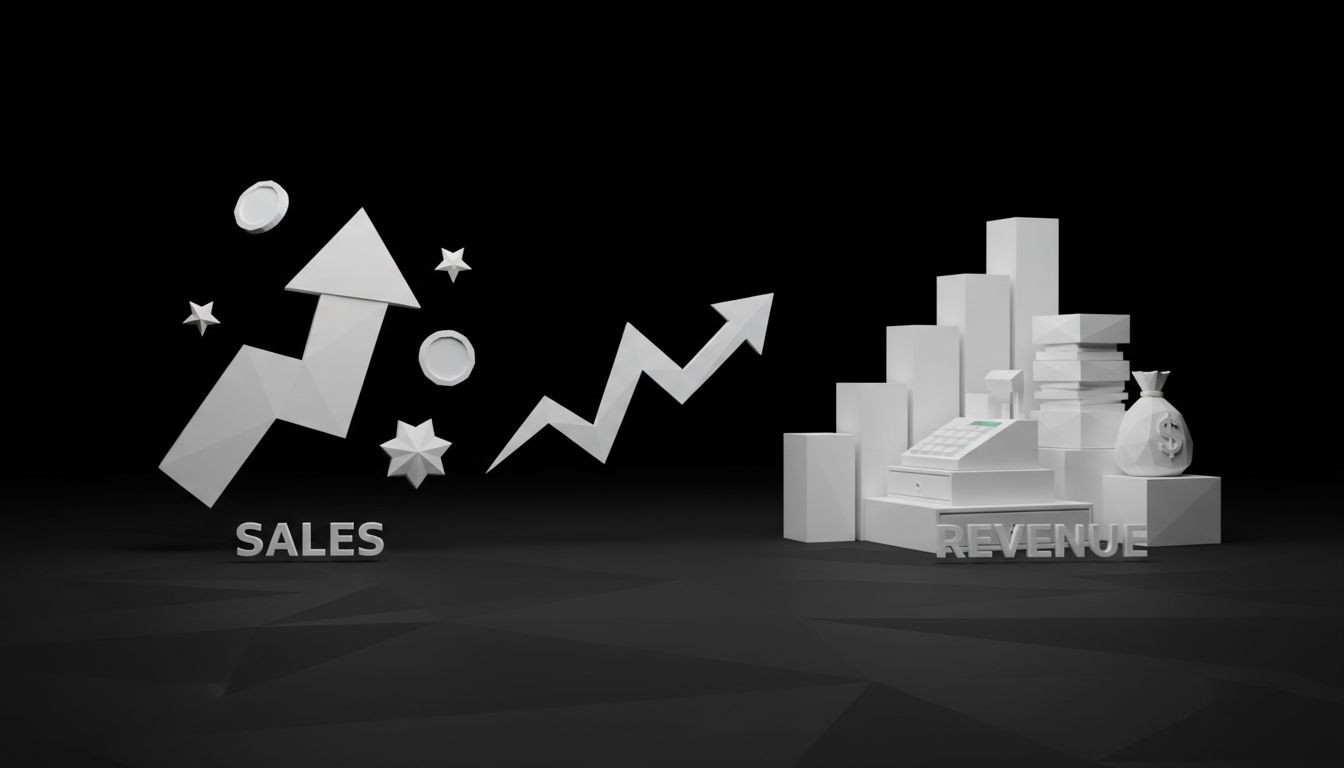
Sales vs Revenue: What’s the Difference and Why It Matters
Learn sales vs revenue, how each appears on financial statements, and why the difference matters for growth, pricing, forecasting, and profit planning.
If you have ever stared at a dashboard and wondered why sales are climbing but revenue is flat, you are in good company. In marketing, ecommerce, SaaS, and service businesses, the two numbers often sit side by side and get treated like they mean the same thing. They do not always move together, and that gap can tell you a lot about pricing, returns, discounts, cash timing, and the health of your funnel.
Here is the short version:
Sales is the value generated from products or services sold during a period, often shown as gross sales or net sales. (sec.gov)
Revenue is the top-line amount on the income statement, and for some businesses it is the same as sales, while for others it is broader. (sec.gov)
Profit is what remains after expenses and taxes are deducted from revenue. (investor.gov)
In subscriptions, revenue can be recognized over time instead of all at once when cash is collected. (sec.gov)
What sales means

In plain English, sales is the value of goods or services you sell during a period. On many income statements, this appears as gross sales first, then net sales after returns, discounts, rebates, and allowances are removed. The SEC’s beginner guide describes the top line as gross revenues or sales and explains that net revenue comes after deductions such as returns and allowances. (sec.gov)
Gross sales vs. net sales
Gross sales is the starting point, before deductions.
Net sales is what remains after returns, discounts, allowances, and similar reductions are removed. (sec.gov)
A simple formula looks like this:
Gross sales - returns - discounts - allowances = net sales. (sec.gov)
For ecommerce and retail, sales usually track orders, checkout volume, and average order value. For B2B services, sales may refer to closed deals or signed contracts. That is why sales teams care so much about pipeline, close rate, and deal size. If you are trying to turn traffic into qualified opportunities, a strong automated lead generation system helps fill the funnel with prospects who are more likely to buy.
What revenue means
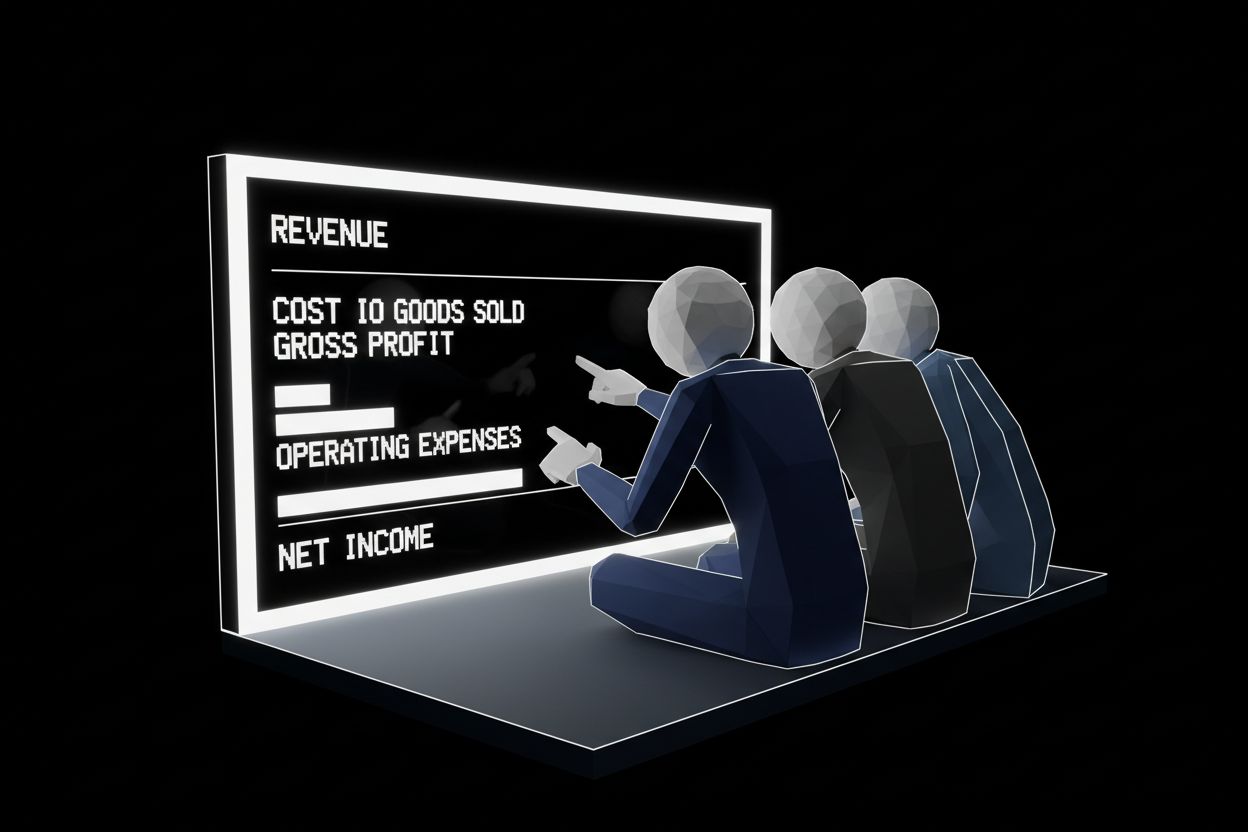
Revenue is the broader top-line number on the income statement. The SEC explains that an income statement shows how much revenue a company earned over a period, and the cash flow statement is separate because it tracks money moving in and out of the business. (sec.gov)
That is why revenue is not always the same as cash collected. Under ASC 606, companies recognize revenue when they satisfy performance obligations, either at a point in time or over time. (sec.gov)
Gross revenue
Gross revenue is the larger, pre-deduction number in a reporting setup. Depending on the company, it may be shown before returns, discounts, or other adjustments.
Net revenue
Net revenue is the amount left after the relevant reductions are taken out. Many SEC filings describe revenue reported net of discounts, returns, sales incentives, rebates, and similar items. (sec.gov)
Revenue recognition matters
This is where SaaS, subscriptions, and B2B services can get confusing. If a customer prepays for a twelve-month subscription, the cash may arrive today, but the revenue is often recognized month by month as the service is delivered. That is the difference between money in the bank and earned revenue. (sec.gov)
If you run campaigns for a subscription business, this is also why a booking, an invoice, and recognized revenue are not the same thing. The contract may be signed today, but the accounting recognition follows delivery. That timing gap is normal under revenue recognition rules. (storage.fasb.org)
Sales vs revenue: the real difference
At a glance, sales is usually the transactional side of the business, while revenue is the accounting view of what the business earned. The table below simplifies the difference.
Term | What it usually means | Typical formula | Where it shows up |
|---|---|---|---|
Sales | Money from products or services sold during the period, often shown as gross sales or net sales. (sec.gov) | Gross sales - returns - discounts - allowances = net sales. (sec.gov) | Income statement, sales dashboard, CRM pipeline |
Revenue | The top-line amount earned under accounting rules, which may match sales or be broader depending on the business. (sec.gov) | Recognized when performance obligations are satisfied, either at a point in time or over time. (sec.gov) | Income statement, revenue reports, forecasts |
Profit | What remains after expenses and taxes. (investor.gov) | Revenue - COGS - operating expenses - taxes = profit | Bottom line on the income statement |
Use the table as a shortcut. Sales tells you what was sold, revenue tells you what was earned, and profit tells you what was kept.
When sales and revenue are the same
If a business sells straightforward products, has few returns or discounts, and does not have other major income streams, the two numbers may line up closely. That is one reason people use sales and revenue interchangeably. (sec.gov)
When sales and revenue are different
They start to diverge when returns, allowances, rebates, bundled services, subscriptions, or other adjustments enter the picture. That gap can be small in some companies and very large in others. (sec.gov)
Sales vs revenue vs profit
This is where many teams get tripped up. Revenue sits at the top of the income statement, and profit is what is left after COGS, operating expenses, and taxes. (investor.gov)
A marketing campaign can increase sales quickly, while revenue and profit may move more slowly if the business is discounting heavily, offering refunds, or spending too much to acquire customers. That is one reason ad teams, sales teams, and finance teams need the same definitions before they scale.
B2B vs. B2C: why the gap looks different
In B2C, sales often happen fast and revenue may follow quickly. In B2B, longer contracts, milestone billing, retained services, and subscriptions can push recognized revenue further out from the original sale. That is why sales teams may celebrate a signed deal long before finance sees the full revenue on the income statement. (sec.gov)
A good CRM strategy helps keep sales, marketing, and finance aligned on what counts as a lead, an opportunity, a booking, an invoice, and recognized revenue.
Where sales and revenue appear on financial statements
The income statement, sometimes called the statement of operations or earnings, starts with the top line, which is often gross revenues or sales, and then moves down through deductions and expenses to the bottom line. The cash flow statement is different, because it shows actual money movement instead of earned revenue. (sec.gov)
Income statement
This is where you will usually see sales, revenue, COGS, gross profit, operating expenses, and net income.
Cash flow statement
This is where you see cash collected from customers, cash paid to suppliers, payroll, and other actual inflows and outflows. It is useful for understanding liquidity, but it does not replace revenue reporting. (sec.gov)
Why this matters for teams that run ads and generate leads
If you are tracking performance in a CRM or reporting on paid media, this is why a lead, a booking, an invoice, and recognized revenue are not the same thing. The difference can be especially noticeable in services and subscriptions, where timing matters. (sec.gov)
This is also where paid ads management becomes more than just traffic buying. Good campaigns should bring in the right people, not just more people.
Worked example: sales vs revenue in real life
A simple example makes the difference easier to see.
Ecommerce example
Imagine an online store sells $120,000 worth of products in a month.
Returns: $5,000
Discounts: $10,000
Net sales and revenue from product sales: $105,000
COGS: $60,000
Gross profit: $45,000
Operating expenses: $27,000
Operating profit: $18,000
In this case, the store may talk about sales when referring to orders taken, but the number that matters in accounting is the net amount after returns and discounts.
SaaS example
Now imagine a software company sells a one-year subscription for $12,000 and collects the full amount upfront.
Cash collected today: $12,000
Revenue recognized this month: $1,000
Revenue recognized over twelve months: $12,000 total
That gap is exactly why founders watch ARR, MRR, bookings, renewals, and churn alongside revenue. A strong sales month does not always mean a full revenue spike in the same period. That is not a problem with the business, it is how recognition works. (sec.gov)
For teams selling subscriptions or services, a fast automated AI chat agents setup can qualify visitors, answer questions, and book meetings while your team is offline.
How to grow both sales and revenue

Growing sales is about creating more qualified demand. Growing revenue is about turning that demand into the right mix of pricing, retention, and repeat purchases. If you are running Meta or TikTok ads, the goal is not just clicks. It is a pipeline that actually converts.
Here is a practical way to think about it:
Make the offer easier to buy.
Clear pricing, clear packaging, and fewer steps in the buying process usually improve conversion.Capture leads quickly.
If someone fills out a form, asks a question, or visits your pricing page, follow up fast. A good automated lead generation system can route that interest before it cools.Qualify visitors around the clock.
Automated AI chat agents can answer common questions, collect details, and move a prospect toward a booked call or purchase.Keep everything inside a clean CRM.
A solid CRM strategy makes it easier to track source, stage, follow-up, and close rate without relying on memory or spreadsheets.Use paid media with purpose.
Paid ads management should be tied to lead quality, cost per acquisition, and revenue, not vanity metrics.Stay visible where your buyers already pay attention.
Consistent automated social media can support your ad campaigns, nurture trust, and keep your brand in the conversation between touchpoints.Watch discounts and refunds.
Cutting too many prices can make sales look strong while revenue and profit stay under pressure.Focus on retention and upsell.
Revenue grows faster when customers stay longer and buy more than when you keep replacing churn with new leads.
The biggest mistake is chasing more activity without tightening the system. More leads do not help if they are not qualified. More bookings do not help if follow-up is slow. More sales do not help if the margins disappear in discounts and acquisition costs.
Common misconceptions
Sales and revenue always mean the same thing. Not always. They often overlap, but returns, discounts, subscriptions, and other reporting choices can separate them. (sec.gov)
Revenue is the same as cash in the bank. Not necessarily. Revenue follows accounting recognition rules, while cash flow tracks actual money movement. (sec.gov)
Profit is just another word for revenue. It is not. Profit is what remains after costs and taxes. (investor.gov)
A big sales month guarantees strong profit. Only if your margins hold up. Heavy discounting, refunds, and high acquisition costs can eat into results quickly.
FAQ
Are sales and revenue the same thing?
Sometimes, yes. In many simple businesses, the terms are used interchangeably. But in accounting, revenue is the broader top-line figure, and sales may be one component of it. (sec.gov)
What is the difference between sales, revenue, and profit?
Sales is what you sell, revenue is what you earn under accounting rules, and profit is what is left after expenses and taxes. (sec.gov)
Why does revenue sometimes not match cash collected?
Because revenue recognition is tied to delivery or performance, not just payment. A business can collect cash today and recognize revenue over time as the service is delivered. (sec.gov)
Why does sales vs revenue matter for marketing and growth?
Because the metric you optimize depends on the stage of the funnel. Sales teams care about conversion and deal size, finance cares about recognized revenue and margin, and marketing cares about the quality of demand coming in. If those definitions are not aligned, reporting gets messy fast.
If you want the cleanest takeaway, remember this: sales is what the market bought, revenue is what the business earned, and profit is what the business kept. When your team understands that difference, it becomes much easier to forecast, price, advertise, and scale with confidence.