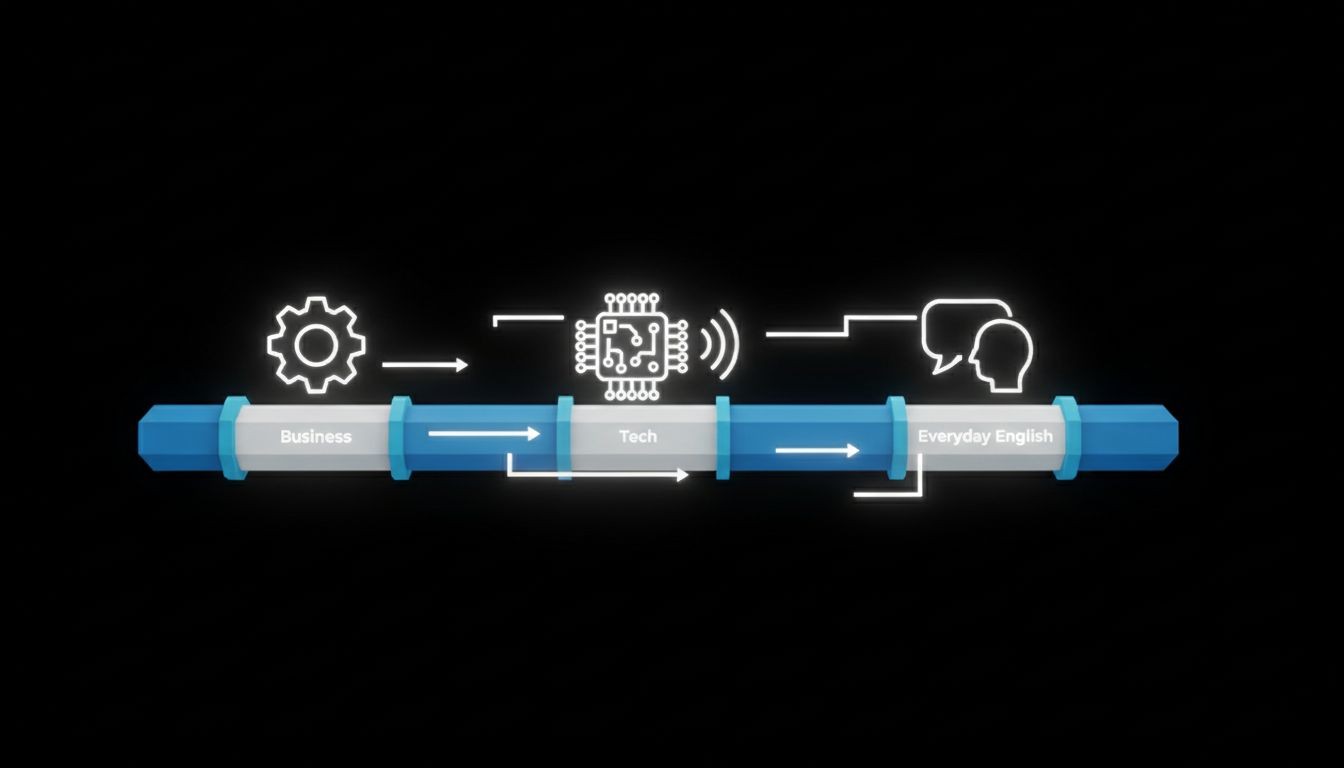
Pipeline Meaning: What It Means in Business, Tech, and Everyday English
Learn the pipeline meaning in plain English, plus business, sales, tech, and idiom examples so you can use it confidently in real conversations.
If you have ever heard someone say a project is in the pipeline or seen the word in a sales meeting, a tech stack, or a dictionary, the pipeline meaning is simpler than it sounds. At its core, pipeline means a path, system, or line that moves something from one place to another. Sometimes that something is oil or water. Sometimes it is leads, data, content, or a product idea that is still being developed.
What pipeline meaning really is

Pipeline is a noun, and in everyday English it usually has two main meanings. The first is literal, a physical pipe or group of pipes that transports liquids, gases, or other materials. The second is figurative, a channel or process that moves work forward, often behind the scenes. If a company says a new service is in the pipeline, it means the work has started or is planned, but it is not ready yet.
In plain language, pipeline meaning can be summed up like this:
A real pipe that carries something
A flow or system that carries information, deals, tasks, or projects
A future item that is being developed and will probably arrive later
The word is especially useful because it gives people a quick mental picture of movement. Something enters the pipeline, moves through the stages, and comes out the other side in a finished form. Most people pronounce it like pipe-line.
Pipeline meaning in business, sales, and marketing
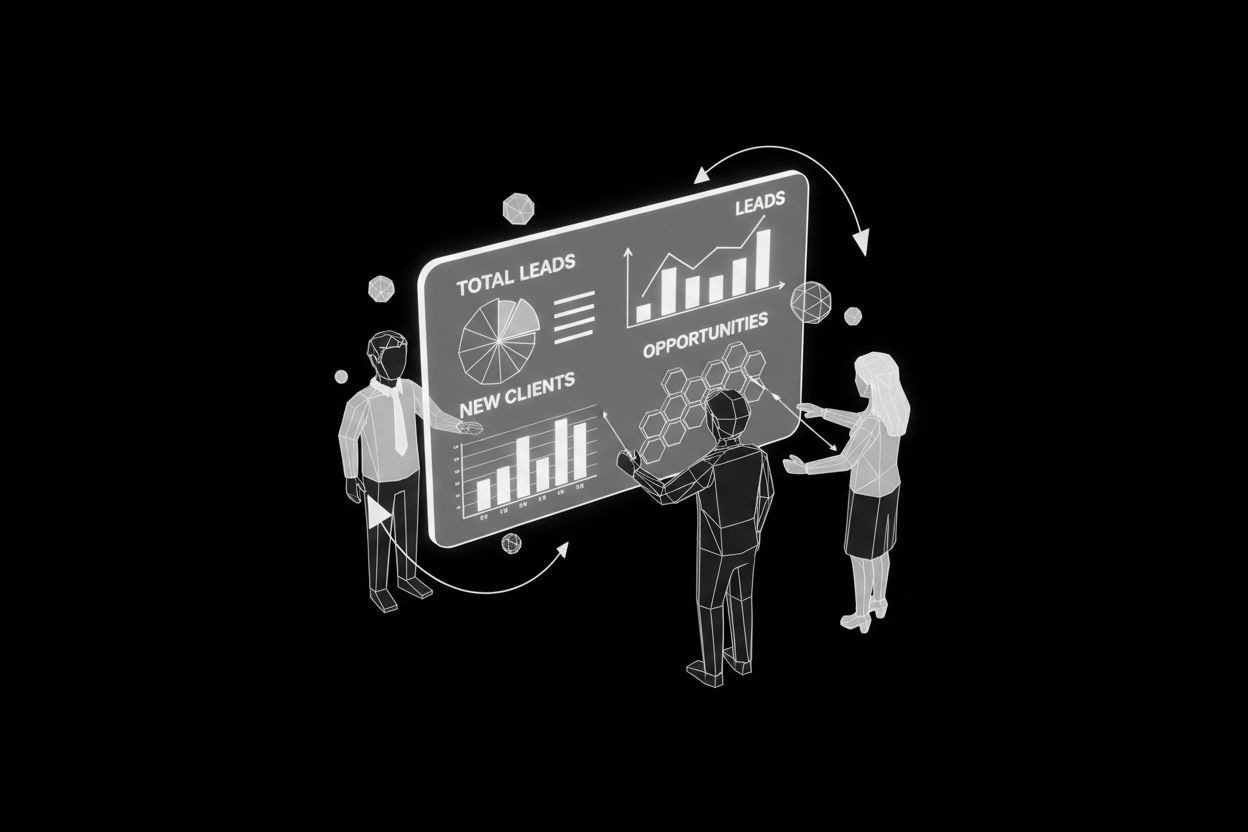
In business, pipeline usually refers to the set of opportunities that are moving toward a result. That might be new customers, new hires, product launches, or partnership deals. In sales, the pipeline is a visual way to track where each lead sits in the buying journey, from first contact to closed deal. It helps teams see what is moving, what is stuck, and what needs follow-up.
That is why pipeline meaning matters so much for revenue teams. A healthy pipeline makes forecasting easier, shows which deals need attention, and keeps sales activity organized. If you are building a stronger system for demand generation, lead generation and marketing automation can help you capture and nurture more qualified prospects. A strong CRM foundation also matters, which is why CRM in marketing is such a useful concept for teams that want better visibility across the full customer journey.
For businesses running paid campaigns, the top of the pipeline often starts with attention. Ads bring people in, content builds trust, and follow-up turns interest into a real opportunity. That is also where paid ads management can play a major role, especially when you want a consistent flow of leads instead of random spikes.
A simple way to think about it is this:
Ads and content create awareness
Forms, chat, and landing pages capture interest
Sales or automation qualify the lead
Follow-up moves the deal forward
The sale closes, or the opportunity is added back into the pipeline for future nurturing
This is where the word becomes practical instead of abstract. A pipeline is not just a chart. It is the system that keeps opportunities moving.
Pipeline meaning in tech and data

In technology, pipeline meaning shifts a little but the core idea stays the same. A data pipeline moves information from one system to another, often cleaning, transforming, or routing it along the way. Software teams also use pipeline to describe a sequence of steps that code, content, or requests pass through before they are ready for use.
This is why the word shows up so often in automation. A company might have a content pipeline for blog posts, a data pipeline for analytics, or a support pipeline for incoming customer questions. Teams that use automated AI chat agents often rely on a pipeline behind the scenes to qualify leads, answer basic questions, and send people to the right next step. The same goes for social publishing, where automated social media can keep a steady flow of posts moving without the team having to manually push every update.
This tech meaning is important because it shows how versatile the word is. Pipeline does not always mean a pipe. It can also mean the route information takes as it moves through a system. That is useful in AI, CRM, ads, analytics, and content operations because each of those areas depends on smooth handoffs.
What in the pipeline means
The phrase in the pipeline is one of the most common ways people use the word. It means something is planned, under development, or expected soon. It is not finished yet, but it is moving in the right direction.
You might hear it in sentences like these:
We have two new product features in the pipeline.
There are several campaigns in the pipeline for next quarter.
A promotion is in the pipeline for one of the team members.
More content is in the pipeline, so the blog calendar is already full.
The phrase is useful because it sounds professional without being overly formal. In business communication, it gives a clear sense that work is happening without promising a finished result too early. It is often used when leaders want to signal momentum, but also leave room for planning, testing, or approval.
A good rule of thumb is this: use in the pipeline when you want to describe something that is on the way, but not ready for release, launch, or announcement yet.
Common places where you will see pipeline used
Pipeline meaning changes slightly depending on the industry, but the underlying idea stays the same.
Oil and gas: A physical pipeline moves fuel or other materials over long distances.
Recruiting: A hiring pipeline tracks candidates from application to interview to offer.
Logistics: A supply pipeline keeps goods moving from suppliers to warehouses and customers.
Content and media: An editorial pipeline organizes ideas, drafts, approvals, and publishing dates.
Software and data: A delivery pipeline moves code, information, or tasks through a series of steps.
Marketing: A lead pipeline shows how prospects move from first click to conversion and follow-up.
In each case, pipeline means there is a path, a flow, and a process. That is why the word works so well in both technical and everyday conversations. It gives people a simple way to talk about progress.
Pipeline vs funnel, workflow, and process
People often confuse pipeline with similar words, but they are not always interchangeable.
Term | Best use | What makes it different |
|---|---|---|
Pipeline | Movement through stages | Focuses on flow and progress |
Funnel | Converting people step by step | Focuses on narrowing and conversion |
Workflow | A repeatable set of tasks | Focuses on how work gets done |
Process | A broader series of actions | More general than pipeline |
Channel | A route for traffic or messages | Often used for communication or distribution |
Conduit | A passage for moving something | More physical or technical |
If you work in marketing or sales, the difference between funnel and pipeline matters. A funnel usually describes the audience journey, while a pipeline tracks the deals or opportunities your team is actively managing. If you are building a more efficient customer journey, a CRM can help connect the stages and keep the handoff clean.
How to use pipeline correctly in sentences
The easiest way to use pipeline correctly is to match the word to the kind of movement you want to describe.
Use it when:
Something moves through stages
A project or product is still being developed
A system handles flow, transfer, or routing
You want to describe a sequence with visible progress
Examples:
The team has a new landing page in the pipeline.
Our sales pipeline is full, but several deals need follow-up.
The engineers built a data pipeline that cleans incoming records automatically.
More podcast episodes are in the pipeline for the fall.
The agency uses automation to keep the content pipeline moving every week.
Avoid using pipeline when a simpler word is clearer. For example, if you only mean a physical pipe, pipe is enough. If you mean a general method, process may sound more natural. Good writing is not about using pipeline everywhere. It is about using it where the idea of flow really fits.
Why pipeline matters for lead generation and growth
For modern businesses, pipeline meaning is more than a vocabulary question. It is a way to think about growth. When leads, messages, ads, and follow-up all move in a clean sequence, the business becomes easier to scale. When one part breaks, the whole system slows down.
That is why so many teams build their marketing around a clear pipeline. They want reliable traffic, better qualification, faster response times, and a smoother handoff to sales. Strong lead generation and marketing automation can reduce manual work and keep the pipeline healthy. A connected paid ads management system can also keep the top of the pipeline full without wasting spend. And when teams use automated social media, they create a steady stream of visibility that supports the rest of the funnel and pipeline.
For companies using AI and automation, the word becomes even more relevant. The pipeline is no longer just a sales chart. It is the whole flow from first touch to final conversion, including the systems that support it.
Quick FAQ about pipeline meaning
What does pipeline mean in business?
In business, pipeline usually means a set of opportunities that are moving toward an outcome, such as sales, hiring, product launches, or partnerships.
What does in the pipeline mean?
It means something is planned, being worked on, or expected soon, but it is not finished yet.
Is pipeline only used for oil and gas?
No. That is the literal meaning, but the word is also widely used in sales, marketing, tech, recruiting, content, and logistics.
What is a sales pipeline?
A sales pipeline is a visual way to track prospects as they move through the buying process. It helps teams see what needs attention and what may close next.
What is a data pipeline?
A data pipeline is a system that moves data from one place to another, often cleaning or transforming it along the way before it reaches its final destination.
Pipeline meaning is easy to remember once you picture movement. Something enters, moves through stages, and comes out changed, finished, or ready for use. Whether you are talking about physical infrastructure, sales, AI, or content, the same core idea applies. It is a useful word because it helps teams describe progress with clarity, and that is exactly what good communication should do.