Lead Gen Meaning: What It Is, How It Works, and How to Get Better Leads
Learn lead gen meaning, how it works, and how SEO, social media, AI chat agents, Meta ads, and TikTok turn interest into qualified leads.
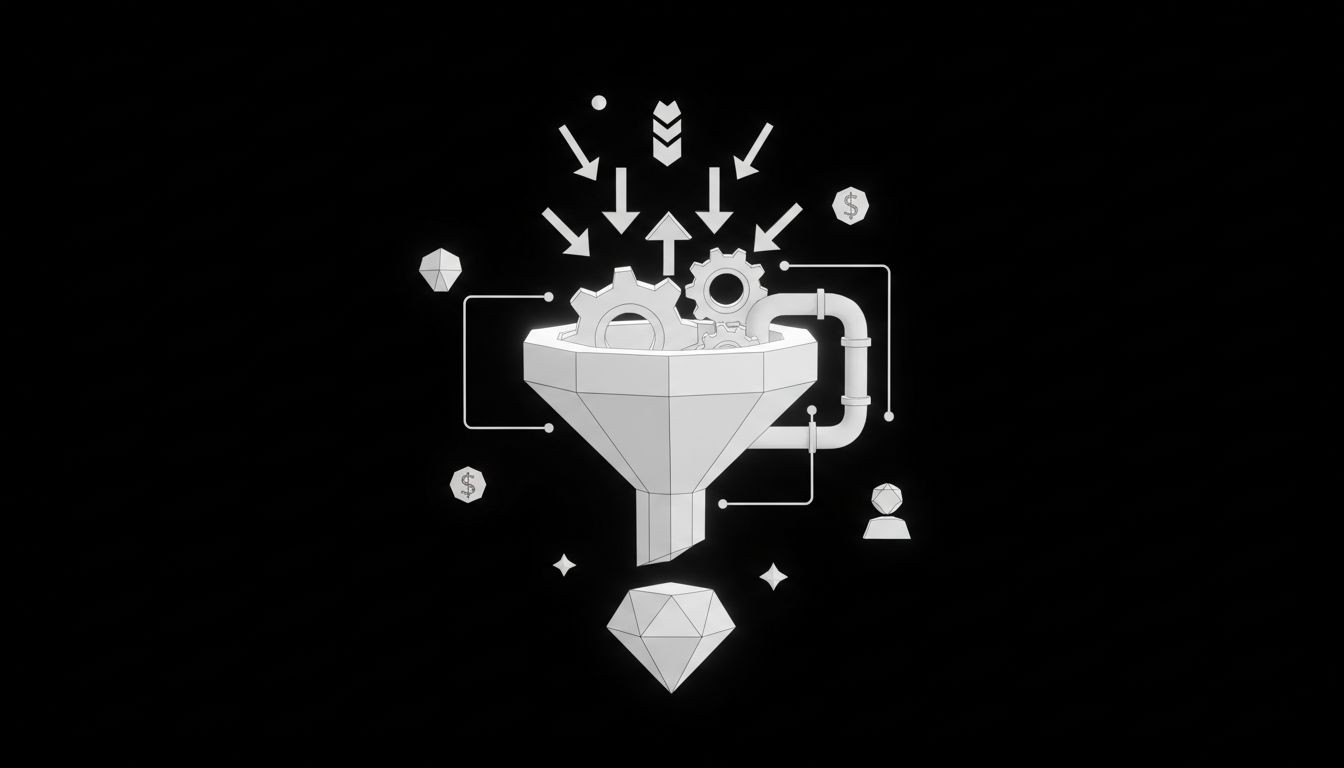
Lead gen meaning is simple: it is the process of attracting people who may become customers and capturing enough information to follow up in a useful way. The real value is not the form fill itself, it is what happens after the hand raise. Good lead gen connects content, search, social, chat, and ads into one clean path from curiosity to conversation. (salesforce.com)
If you are trying to grow with SEO, AI chat agents, Meta ads, TikTok, or social media, the same rule applies. Bring in the right people, qualify them quickly, and keep the conversation moving. (developers.google.com)
In this guide
What lead gen meaning is
How the lead generation funnel works
Lead vs prospect vs MQL vs SQL
The channels that matter most now
How to measure lead gen
Best practices and common mistakes
FAQs
What lead gen meaning really is
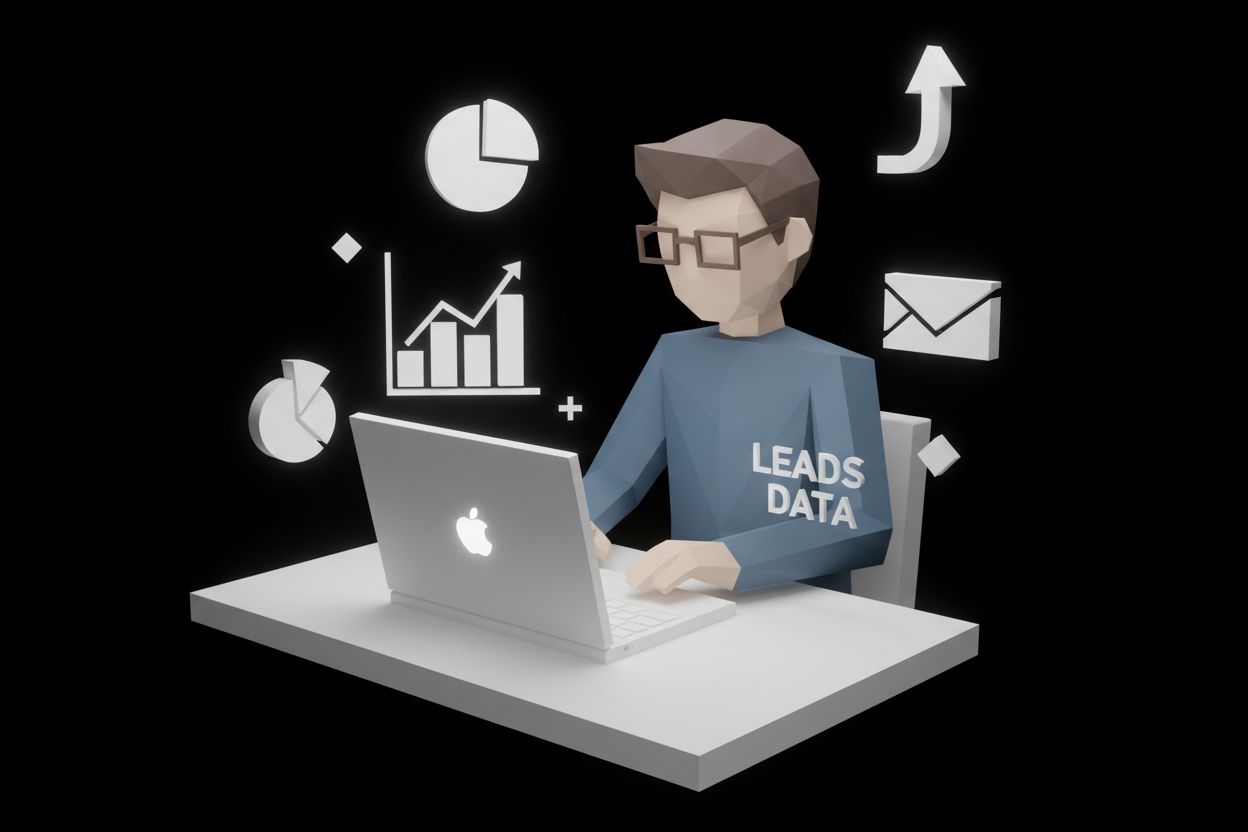
In plain English, lead generation is how a business turns attention into a contact it can actually work with. A person reads a blog post, clicks an ad, sends a DM, or fills out a form, then shares details like an email address or phone number so the business can follow up. Salesforce describes it as building interest in a product or service and then turning that interest into a sale. (salesforce.com)
A lead is not always ready to buy. Some leads are only curious, some fit your ideal customer profile, and some are ready for sales now. That is why lead gen is only one part of the bigger revenue process. Qualification and nurturing decide what happens next. (salesforce.com)
Lead, prospect, MQL, and SQL
Term | Simple meaning |
|---|---|
Lead | A person who has shown interest and shared contact information |
Prospect | A lead that fits your target audience better |
MQL | A marketing qualified lead that has engaged, but is not ready for sales |
SQL | A sales qualified lead that looks ready to buy |
Salesforce separates MQLs and SQLs by readiness to buy, with SQLs being the leads the sales team judges likely to convert and MQLs still in the consideration stage. (salesforce.com)
How the lead generation funnel works
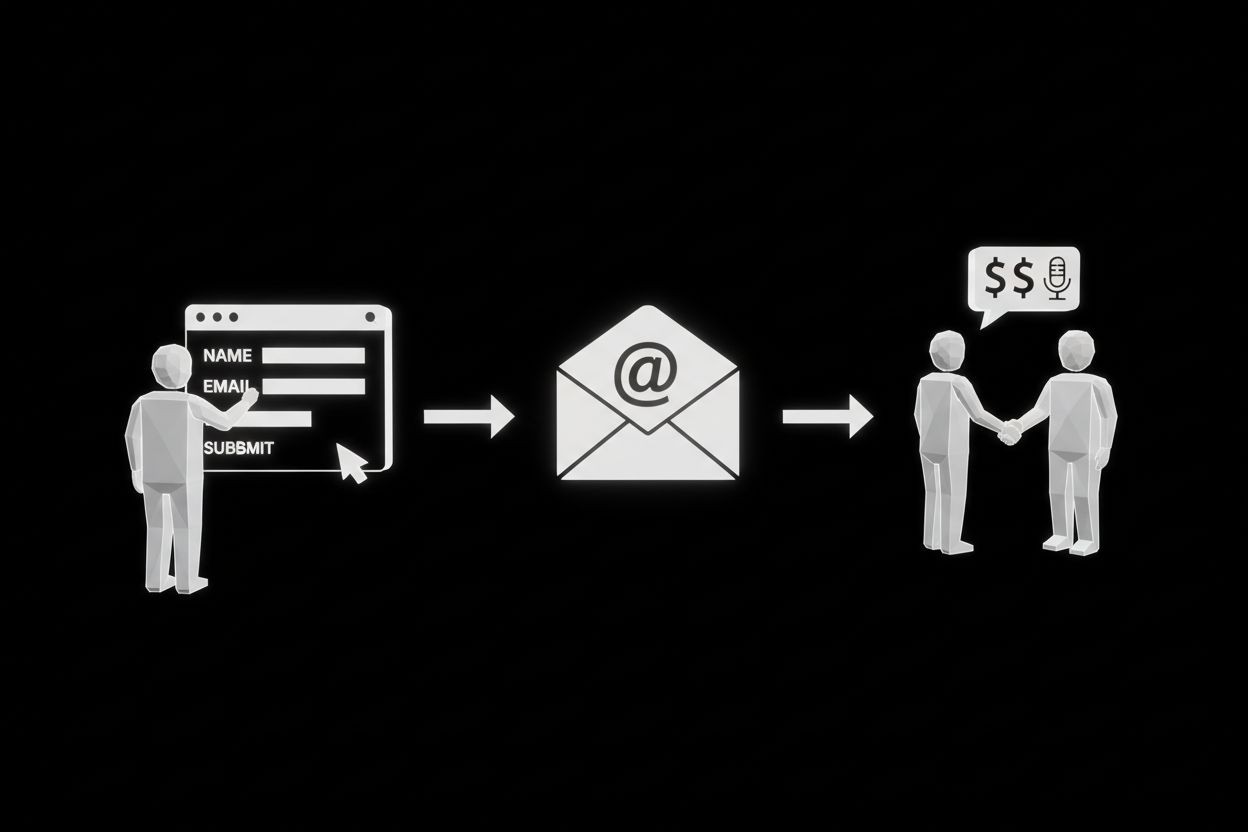
Most lead gen systems follow the same basic path. You attract attention, offer something useful, capture the lead, qualify it, nurture it, and hand it to sales when timing is right. Salesforce, Meta, and TikTok all point to this kind of flow, even if the tools look different. (salesforce.com)
Attract attention. Use SEO, social content, short videos, ads, or conversations to get in front of the right audience.
Offer something useful. Give people a reason to raise their hand, such as a checklist, consultation, demo, webinar, or free resource.
Capture the lead. Use a form, chat, DM, call, or instant form to collect contact details.
Qualify the lead. Check whether the person matches your ideal customer profile and whether there is real buying intent.
Nurture the lead. Send useful follow-up content, reminders, and offers until the timing is better.
Hand off to sales. When the lead is ready, move it into the sales process with context.
The important part is that capture is not the finish line. A lead form or chat is only the start of the relationship. That is why follow-up, segmentation, and nurture matter so much. (salesforce.com)
The channels that matter most now

The best channel mix depends on your offer, budget, and sales cycle, but Salesforce notes that SEO, social media, webinars, email, and other marketing channels can all play a role. For many businesses, the winning mix today starts with search, social, conversation, and paid traffic. (salesforce.com)
SEO and content
SEO is still one of the cleanest ways to create demand because people arrive with intent. Google says helpful, reliable, people-first content is the goal, which is exactly why a well-written page answering a query like lead gen meaning can pull in the right audience. If your business wants qualified traffic rather than random clicks, our automated SEO approach is worth looking at. (developers.google.com)
Social media
Social media works best when it feels useful, not noisy. Salesforce calls social platforms a strong channel for finding and engaging potential customers, and that is still true for short videos, carousels, live sessions, and direct messages. If you need a system that keeps posting consistent, automated social media can help keep the top of funnel active. (salesforce.com)
AI chat agents and on-site capture
This is where AI chat agents fit nicely. In practice, they can greet visitors, answer common questions, ask qualifying questions, and route people to the right next step without making them wait for office hours. Salesforce also notes that AI-powered tools can help score leads and analyze conversation insights, which makes chat-driven lead capture a practical extension of modern lead gen. If you want to see how this works on your own site, take a look at automated AI chat agents. (salesforce.com)
Meta lead ads and instant forms
Meta lead ads are built for low-friction capture. Meta says instant forms let people submit information directly on Meta, and its lead ads with forms can open from the ad or send people to a form on your website. That makes them a strong fit when you want mobile-friendly lead capture and a quick handoff to CRM or follow-up. If paid social is part of your mix, paid ads management should be aligned with the landing page, form, and follow-up. (facebook.com)
TikTok lead generation
TikTok has become another serious lead source for attention-heavy offers. TikTok’s lead generation setup includes in-app Instant Forms, website lead generation, and messaging ads, so you can choose whether the first conversion happens in-app or on your site. For fast-moving audiences, that kind of native capture can reduce friction and keep the conversation going. (ads.tiktok.com)
Lead qualification and nurturing are what separate busy from effective
Lead gen and lead nurturing are related, but they are not the same job. Salesforce defines lead nurturing as guiding prospects with useful resources and incentives until they are ready to buy, while lead generation is what creates the lead in the first place. If your business does not separate those two stages, you will spend too much time on people who were never ready yet. (salesforce.com)
Salesforce uses this split to prioritize follow-up and make the sales list more manageable. MQLs are people who have shown marketing interest, while SQLs are the leads that sales sees as ready to move forward. Lead scoring helps bridge that gap, and the higher the score, the more likely the lead is an SQL. (salesforce.com)
For a bigger system view, see our lead generation and marketing automation guide for 2026 success.
How to measure lead gen without guessing
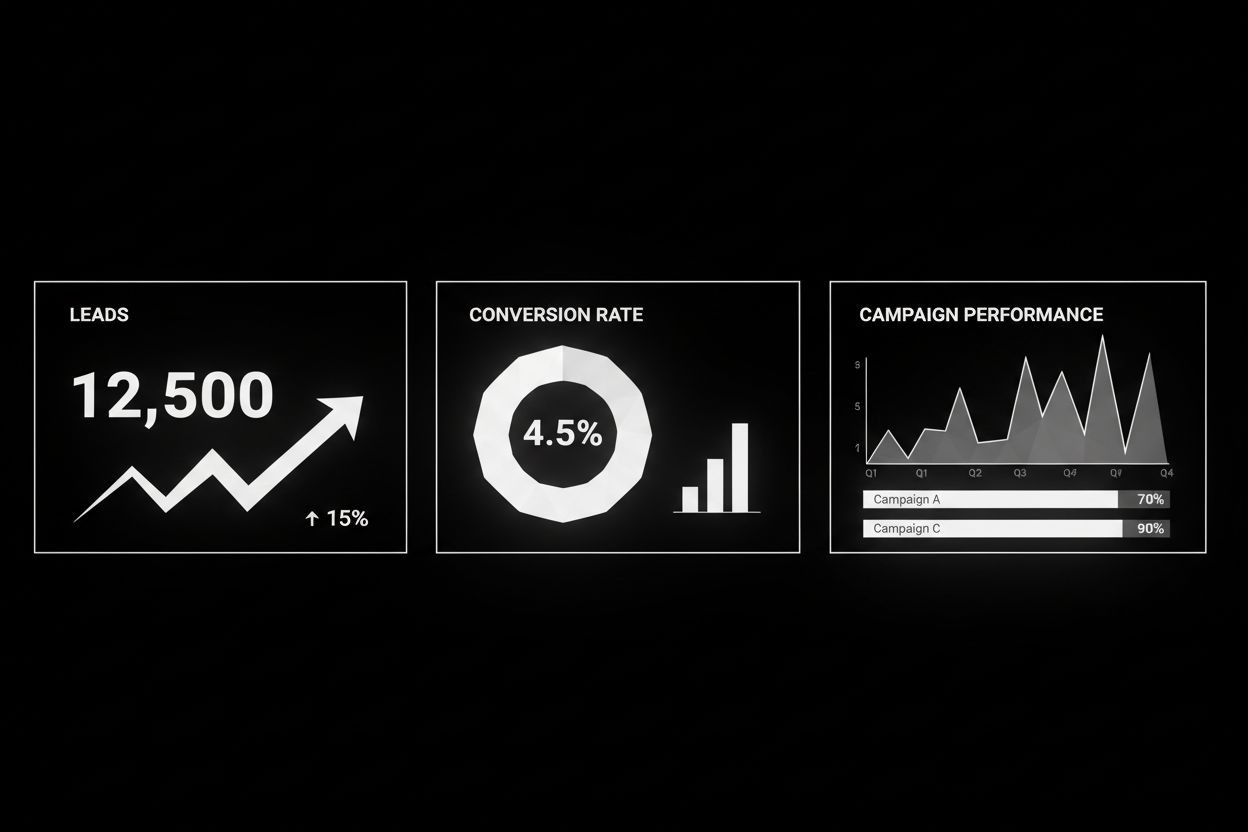
Good lead gen is measurable. Salesforce recommends tracking conversion rate, cost per lead, lead quality, and ROI so you can see whether the pipeline is healthy or just noisy. The goal is not more leads at any cost, it is more useful leads at a cost that still makes sense. (salesforce.com)
Conversion rate: the percentage of leads that take the action you want, such as filling out a form or booking a call.
Cost per lead: total spend divided by the number of leads generated.
Lead quality: how likely those leads are to turn into customers.
ROI: revenue generated compared with the total investment.
If CPL is low but lead quality is poor, the campaign is probably attracting the wrong audience. If lead quality is strong but volume is too low, the offer, targeting, or channel mix may need a reset. (salesforce.com)
Best practices for better lead quality

The strongest lead gen systems are simple, fast, and consistent. Google wants people-first content, Salesforce recommends clearly defined qualification criteria, concise forms, CRM tracking, and quick follow-up, and Meta and TikTok both offer native form options that reduce friction. Put together, that means your funnel should be easy to enter and easy to manage. (developers.google.com)
Define your ideal customer profile before you launch.
Keep forms short and only ask for what you need.
Match the offer to the channel.
Send every lead into a CRM or lead management system.
Nurture automatically instead of waiting for manual follow-up.
Test one change at a time so you know what improved.
Follow up fast while interest is still fresh.
If you want a system that keeps these pieces connected, the right mix of content, automation, and paid media matters more than any single tactic. (salesforce.com)
Common mistakes that waste good leads
Most lead gen problems come from the same few mistakes. Teams chase volume instead of fit, ask for too much information too early, send traffic to generic pages, or fail to respond fast enough. Salesforce repeatedly points to targeting the right audience, defining scoring criteria, keeping forms concise, and following up quickly as core best practices. (salesforce.com)
Treating every lead the same.
Running ads to a weak offer.
Sending social traffic to a page that does not match the ad.
Letting chat or form submissions sit untouched.
Ignoring nurture after the first form fill.
If your channels are working but the pipeline still feels messy, the problem is often the handoff, not the traffic. (salesforce.com)
FAQ
What does lead gen meaning actually refer to?
It refers to the process of attracting interest and turning that interest into a lead you can follow up with. Salesforce describes lead generation as building interest in a product or service and turning that interest into a sale. (salesforce.com)
Is lead gen the same as demand generation?
Not exactly. Demand generation is about creating awareness and interest, while lead generation is about capturing contact information and starting the follow-up process. Salesforce separates lead generation from lead nurturing in the same way, with nurturing taking over after the lead is already identified. (salesforce.com)
Is lead gen inbound or outbound?
It can be both. SEO and content are usually inbound, while paid social, forms, DMs, calling, and messaging campaigns can be outbound or paid acquisition plays. Salesforce mentions SEO, social media, webinars, and referrals, while Meta and TikTok both offer lead capture formats designed for direct response. (salesforce.com)
How do AI chat agents help with lead generation?
They help by answering questions, collecting details, and routing visitors faster. Salesforce says AI tools can improve lead qualification, automate scoring, and analyze conversation insights, which is why chat agents fit well inside a modern lead gen funnel. (salesforce.com)
What is the best lead generation channel?
There is no universal winner. The best channel is the one that matches how your buyers search, scroll, and decide. For many businesses, the strongest setup is a mix of SEO, social content, AI chat, and paid lead forms, because it covers both discovery and conversion. (salesforce.com)
Lead gen meaning is really about building a repeatable path from attention to action. If you get that path right, SEO brings in intent, social builds familiarity, chat keeps the response time fast, and paid ads create a second layer of demand capture. That is the difference between collecting names and building a sales pipeline that actually moves. (salesforce.com)