Pipeline Generation Guide: How to Build a Reliable Revenue Engine
Learn how pipeline generation works across SEO, paid ads, social media, AI chat agents, lead scoring, and sales handoff to drive more qualified revenue for B2B growth.
Pipeline generation is what keeps a revenue engine from going quiet. You can have traffic, content, and a polished sales team, but if the right prospects are not entering the funnel and moving through it, growth gets uneven fast. Gong describes pipeline generation as the work that takes a lead all the way from first touch to closed sale, while Salesforce draws a clear line between broader demand generation and lead generation, which focuses on capturing qualified contacts. (gong.io)
That is why strong pipeline generation is not just about getting more names into a CRM. It is about building a repeatable system that attracts the right audience, qualifies interest quickly, and gives sales a clean handoff with enough context to move deals forward. When that system works, you stop relying on luck and start relying on process. (gong.io)
What pipeline generation actually means

At its simplest, pipeline generation is the process of creating and moving sales opportunities through every stage of the funnel, from awareness to closed-won revenue. Gong’s guide makes the distinction clear: lead generation brings people into the funnel, while pipeline generation covers the full journey that turns interest into revenue. In practice, that means your team is not just collecting leads, it is nurturing, scoring, routing, and measuring them until they become real opportunities. (gong.io)
A healthy pipeline generation system usually includes four moving parts: a sharp ideal customer profile, targeted campaigns, fast qualification, and consistent nurturing. Gong also points out that pipeline generation works best when sales and marketing operate from the same data, the same goals, and the same definition of a good lead. (gong.io)
A practical way to think about it is this:
Lead generation brings people in.
Demand generation creates awareness and interest.
Pipeline generation turns that interest into qualified opportunities and revenue.
Pipeline management keeps those opportunities moving once they exist. (salesforce.com)
If you want the system to work, the data layer matters too. A clear CRM structure helps you track where leads come from, what they engaged with, and which touchpoints actually created pipeline. If you are tightening up that part of the process, our What is CRM in marketing guide is a useful place to start.
Pipeline generation vs. lead generation, demand generation, and ABM
The confusion around these terms is one reason so many teams overinvest in activity and underinvest in results. Salesforce defines demand generation as the broader strategy that builds awareness and interest, while lead generation focuses on capturing qualified contacts. Gong goes one step further and frames pipeline generation as the full lifecycle from lead identification to closed sale. (salesforce.com)
Here is the simple version:
Lead generation answers, “How do we collect interest?”
Demand generation answers, “How do we create demand in the market?”
Pipeline generation answers, “How do we turn interest into revenue?” (salesforce.com)
Account-based marketing fits differently. HubSpot describes ABM as a highly targeted growth strategy that aligns marketing and sales around specific accounts instead of individual buyers. That makes ABM especially useful when you know exactly which companies you want in your pipeline and you need a more personalized approach to reach buying groups. (blog.hubspot.com)
The practical takeaway is easy to miss. Demand generation builds the market. Lead generation captures the hand raisers. Pipeline generation turns those hand raisers into sales conversations, opportunities, and closed business. If a team says they have plenty of leads but no revenue movement, the problem is usually not awareness. It is pipeline generation. (salesforce.com)
A step-by-step pipeline generation framework
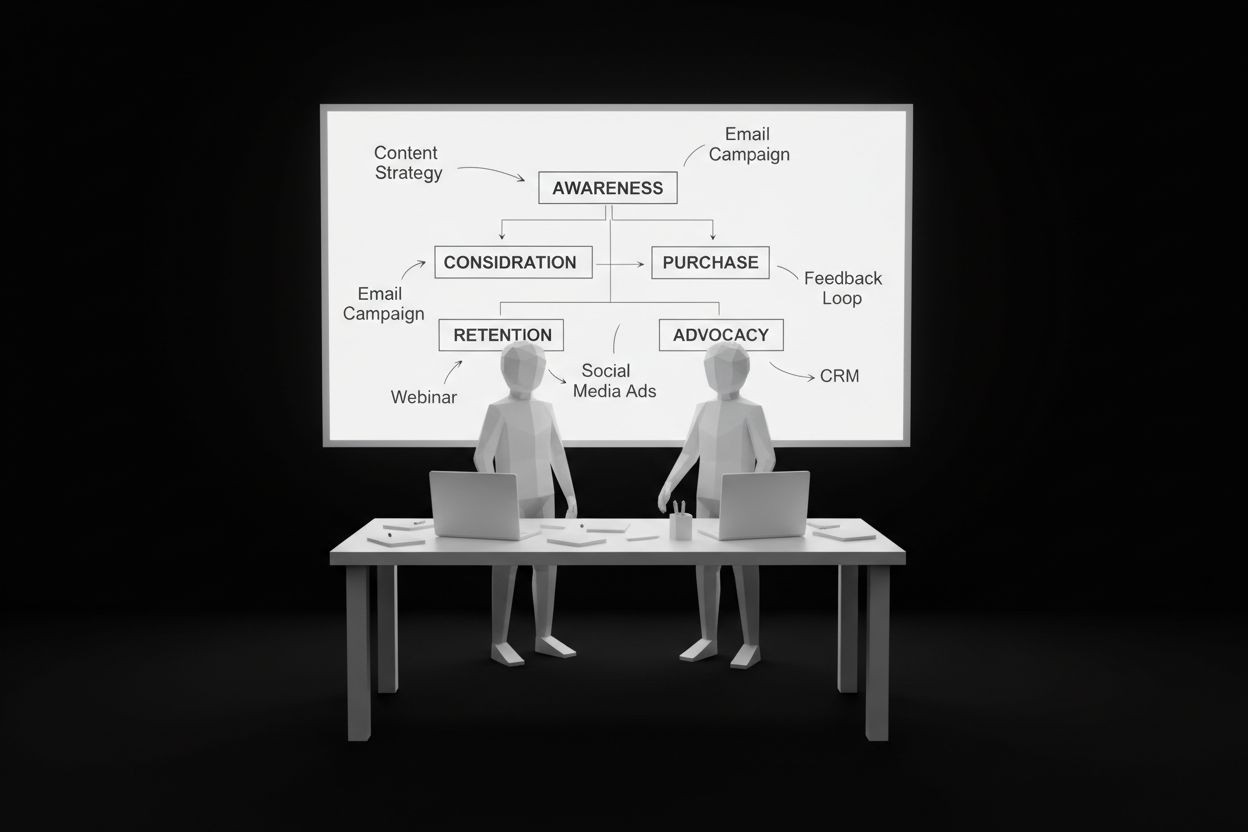
The best pipeline generation systems are not complicated, but they are intentional. They start with clarity, move through the right channels, and end with clean measurement. Gong’s framework around ICPs, lead scoring, predictive analytics, alignment, attribution, funnel analysis, and AI personalization is a strong blueprint for building that system from scratch. (gong.io)
1. Define your ICP and buying committee
Start by defining exactly who should be in your pipeline. Gong recommends building an ideal customer profile based on buyer behavior, pain points, demographics, and the problems your product actually solves. In B2B, that also means mapping the buying committee, not just the first person who fills out a form. (gong.io)
This is where many teams get sloppy. They target everyone, then wonder why conversion rates are low. Better pipeline generation begins with a specific ICP, clear disqualifiers, and a short list of industries, company sizes, roles, or use cases that are worth pursuing.
2. Build offers that match each stage
Once you know who you want, create offers that fit where they are in the journey. Early-stage prospects may want education, checklists, or short-form video. Later-stage buyers may want demos, audits, benchmarks, or calculators.
This is also where your owned content and channel strategy matter. A consistent Automated SEO engine can bring in search intent, while Automated Social Media keeps the brand visible on the channels where buyers spend time.
3. Capture interest without friction
The fastest way to lose pipeline is to make people work too hard to raise their hand. Meta’s lead ads can use forms, calling, and messaging, and TikTok’s lead generation objective can collect leads through instant forms, website destinations, and direct messages. That makes paid social a real pipeline channel, not just a brand channel, when the offer and follow-up are tight. (facebook.com)
If paid acquisition is part of your growth plan, your Paid Ads Management strategy should be built around the outcome you actually want, not just impressions or clicks. If you want to remove more manual work from the front end, Automated Lead Generation can help connect forms, landing pages, and follow-up into one smoother flow.
4. Qualify leads before sales gets them
Qualification is where pipeline generation starts to separate from lead generation. HubSpot’s AI lead-capture tools are a good example of the modern approach. Their system engages visitors instantly, qualifies them on criteria you define, and captures contact info or books meetings. HubSpot also uses fit and engagement signals like job title, company size, website visits, and email interactions to prioritize follow-up. (hubspot.com)
That is exactly why Automated AI Chat Agents belong in the pipeline stack. A good chat agent does not just answer questions. It helps qualify intent, collect context, and route the lead to the right next step before the prospect cools off.
5. Nurture and route with automation
Gong highlights sales and marketing alignment as one of the core best practices for pipeline generation, and for good reason. When both teams work from the same goals, tools, and definitions, handoffs are cleaner and follow-up is faster. Their guidance on measurement and funnel analysis also makes it clear that pipeline generation only improves when the full process is visible. (gong.io)
This is where your Marketing and Sales Automation setup pays off. The goal is simple, deliver the right message at the right time, to the right lead, without depending on manual reminders or scattered spreadsheets. If your team is still stitching together handoff notes by email, you are probably leaking opportunities.
6. Measure, learn, and tighten the loop
A pipeline generation system is never finished. It gets better when you can see which campaigns create opportunities, which ones create noise, and which ones waste money. Gong recommends measuring attribution, running funnel analysis, and using AI to personalize sales engagement so you can improve the parts of the system that actually move revenue. (gong.io)
That is also where SEO and content work become more than traffic plays. If your content brings in the right prospects, your forms qualify them, and your follow-up turns them into meetings, then content is part of pipeline generation, not just awareness.
Best channels for pipeline generation today
The strongest pipeline generation programs usually combine multiple channels instead of depending on one. Salesforce notes that buyers research brands on their own before connecting with sales, which is why content, search, and social discovery matter so much in modern B2B marketing. (salesforce.com)
For many teams, the best mix includes:
SEO and content, to capture intent from people already researching a problem.
Social media, to stay in front of the audience and create demand over time.
Paid ads, especially Meta and TikTok lead campaigns, to accelerate discovery and capture.
AI chat and messaging, to qualify visitors in real time.
Email nurture and CRM automation, to keep the conversation moving after the first touch. (salesforce.com)
In practice, social and paid media work best when they are built for pipeline, not vanity. TikTok currently supports lead generation through CTA, Video anchor, and Live anchor, while its lead gen system can also collect leads through instant forms, website destinations, and direct messaging. Meta’s lead ads support forms, calling, and messaging. Those capabilities make social channels especially useful for booking calls, demo requests, and quick qualification flows. (ads.tiktok.com)
If you are building this kind of engine, the channel itself is only half the story. The other half is what happens after the click. That is why pairing social reach with Automated AI Chat Agents and Automated Lead Generation often produces better pipeline than running ads alone.
Metrics that tell you whether pipeline generation is working
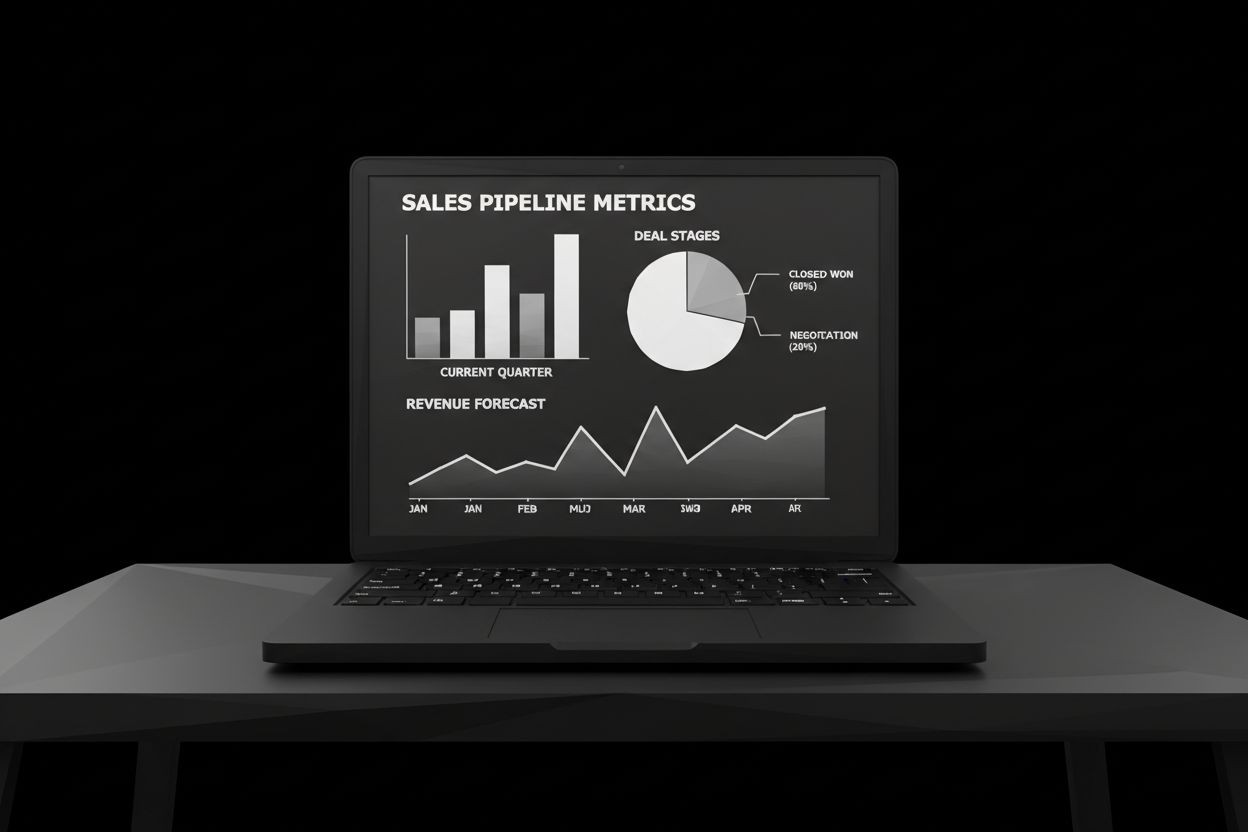
If you cannot measure pipeline generation, you cannot manage it. Salesforce recommends tracking total pipeline value, pipeline growth rate, conversion rate, pipeline velocity, and target versus actual pipeline on a pipeline generation dashboard. Clari also treats pipeline coverage as a critical metric, and HubSpot notes that many successful sales organizations aim for a coverage ratio of 3:1 to 5:1, though the right number depends on your business. (salesforce.com)
The most useful KPIs are:
Total pipeline value: how much potential revenue is active right now.
Pipeline growth rate: whether pipeline is expanding over time.
Conversion rate by stage: where leads are advancing or stalling.
Pipeline velocity: how quickly leads move through the funnel. (salesforce.com)
Pipeline coverage ratio: whether you have enough opportunities relative to your revenue target. (hubspot.com)
Win rate and sales cycle length: whether your process closes efficiently.
CAC by channel: which source creates the most efficient revenue.
A useful rule of thumb is that a channel is only good if it produces qualified opportunities at a sustainable cost. Cheap leads that never close are not a pipeline asset. They are a reporting problem.
Common mistakes that weaken pipeline generation
Gong’s list of challenges is a good warning label for any team building pipeline. The big issues are lead qualification, software gaps, human error in the data, weak sales and marketing alignment, lead nurturing fatigue, and metrics that are too subjective to guide action. (gong.io)
Watch out for these mistakes:
Chasing lead volume instead of pipeline quality. More forms do not matter if they never become opportunities.
Waiting too long to follow up. Interest fades quickly when no one responds.
Using disconnected tools. Data breaks down when forms, ads, CRM, and chat do not talk to each other.
Sending generic nurture content. Buyers ignore messaging that does not match their stage or need.
Ignoring attribution. If you cannot see what drives pipeline, you will keep funding the wrong channels.
Treating social and paid ads as awareness only. With the right offer and qualification path, they can drive meetings and opportunities. (gong.io)
What pipeline generation looks like in practice
A good pipeline generation motion usually looks different depending on the business.
For a B2B SaaS company, it might start with SEO content, then retargeting ads, then a chat agent that qualifies demo requests, then an SDR handoff with full context.
For an agency, it might start with short-form social content, then a lead form on Meta or TikTok, then an automated follow-up sequence that books a discovery call.
For an enterprise team, it might start with account-based campaigns, then a personalized landing page, then a qualification workflow that routes the lead to the right rep.
The point is not to copy a template. The point is to build a flow that fits your buyer, your sales cycle, and your internal capacity.
Pipeline generation checklist
Use this as a quick monthly review:
Is your ICP clearly defined?
Are your campaigns tied to a specific stage of the buyer journey?
Are you capturing leads from the right channels?
Are chat, forms, and CRM data connected?
Are leads scored before they reach sales?
Is your handoff process documented?
Are you measuring pipeline value, velocity, and stage conversion?
Do you know which channels create the best opportunities?
Are sales and marketing reviewing results together every month?
If one or more of those answers is shaky, you do not have a traffic problem. You have a pipeline generation problem.
Frequently asked questions
Is pipeline generation the same as lead generation?
No. Lead generation creates interest and captures contact information. Pipeline generation goes further by qualifying, nurturing, and moving those leads toward closed revenue. (salesforce.com)
What channels generate the best pipeline?
The best channels depend on your audience and sales cycle. In many B2B cases, the strongest mix includes search, social, paid ads, AI chat, and CRM-driven nurture, because buyers often research independently before they ever speak to sales. (salesforce.com)
How do you measure pipeline quality?
Look at stage conversion rates, pipeline velocity, win rate, sales cycle length, and coverage ratio. Salesforce’s pipeline dashboard guidance and Clari’s coverage framework both point to those as core indicators. (salesforce.com)
What is a good pipeline-to-revenue ratio?
As a starting point, many organizations aim for roughly 3:1 to 5:1 pipeline coverage, but the right target depends on your deal size, win rate, sales cycle, and market segment. (hubspot.com)
Where do AI chat agents fit into pipeline generation?
They fit at the capture and qualification stage. HubSpot’s AI lead-capture workflow is designed to engage visitors instantly, qualify them on your criteria, and route them with full context so sales can follow up faster. (hubspot.com)
Pipeline generation works best when it is treated like a system, not a campaign. The system needs a clear ICP, strong offers, fast qualification, and a follow-up process that does not fall apart after the first form fill. When those pieces are connected, SEO, paid social, chat, and automation all start working toward the same outcome, qualified revenue.
If you are ready to turn that into a working growth engine, our Automated Lead Generation, Paid Ads Management, Automated Social Media, Automated AI Chat Agents, and Marketing and Sales Automation resources can help you build the right mix without adding more manual work.