What Is Integrated Marketing Communication (IMC)? A Practical Guide for Modern Marketers
Learn what integrated marketing communication IMC is, why it matters, and how to build a unified strategy across ads, social, email, chat, and AI to improve lead generation.
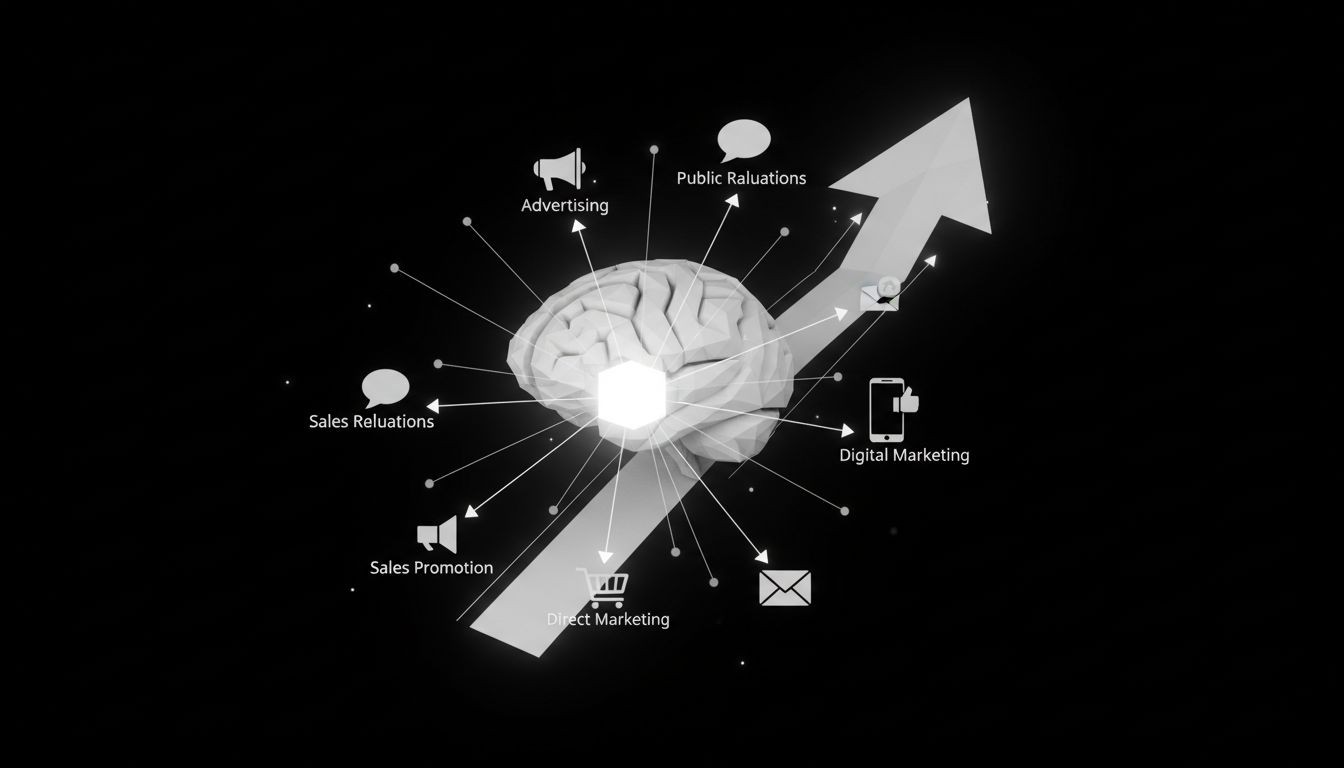
If you are asking what is integrated marketing communication IMC, the short answer is this: it is the practice of coordinating every marketing message, channel, and touchpoint so the brand tells one clear story. Instead of letting paid ads, email, social posts, PR, landing pages, and sales follow-up drift in different directions, IMC makes them support the same promise, the same tone, and the same customer journey. That matters because modern marketing is fragmented, customers move across channels quickly, and consistent messaging is what turns attention into trust. (business.adobe.com)
What IMC means in plain English
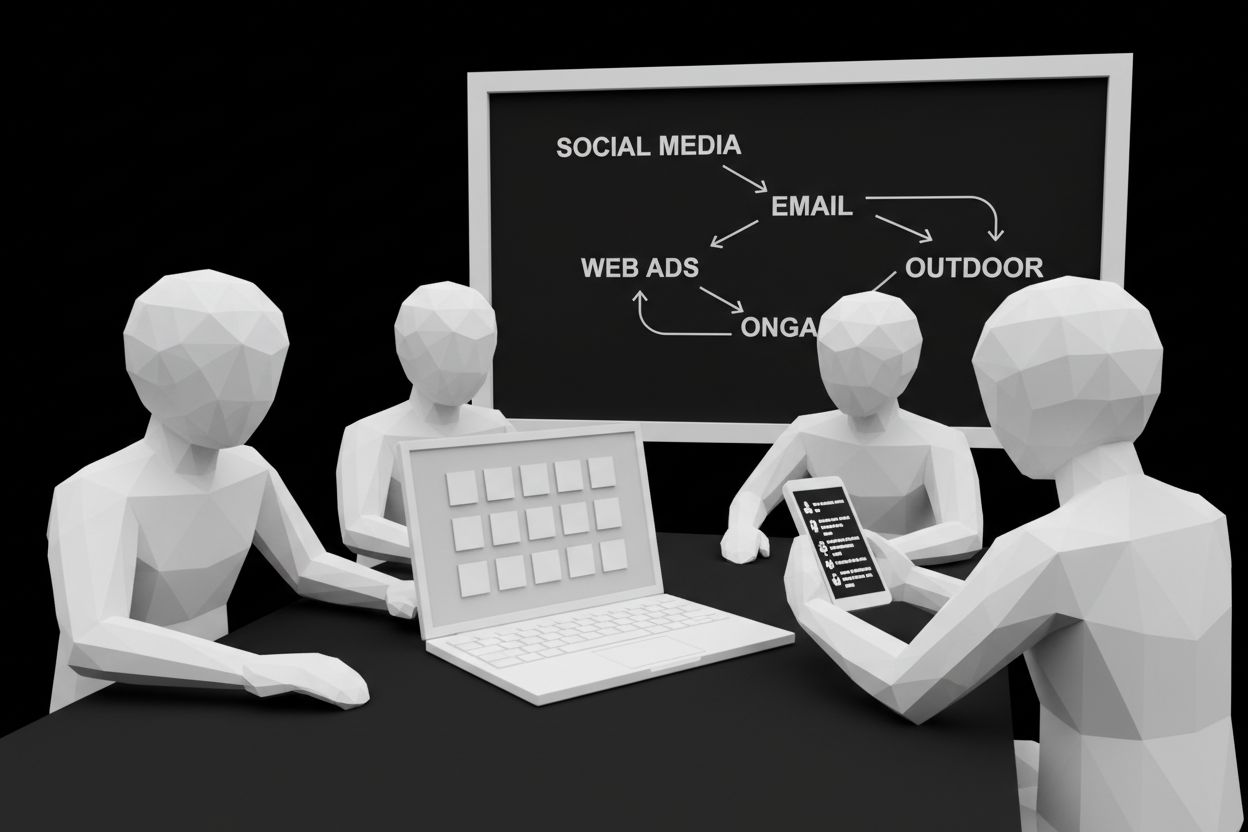
In plain English, IMC means people should never have to guess who you are or what you want them to do next. The ad they see on Meta, the email they open later, the TikTok video they watch, and the landing page they land on should feel like one campaign, not four unrelated ones. Adobe describes IMC as consistent messaging across channels that produces a unified brand experience, and that is the right way to think about it. (business.adobe.com)
A simple IMC plan usually has four things in common:
One core message that explains your value clearly.
One visual and verbal identity that stays recognizable.
One channel strategy that assigns each platform a role.
One measurement plan that tells you what is working and what is not.
That is why IMC is so useful for lead generation. When your ads, your website, your social content, and your follow-up all say the same thing, it becomes much easier to move someone from awareness to action.
Why IMC matters now
The need for IMC is stronger now because customers do not travel in a straight line. They may discover you through a short video, check reviews in search, join your email list, click a retargeting ad, and then convert after a chat or demo. At the same time, first-party data has become more important as third-party cookies fade and privacy expectations rise, which makes it even more valuable to connect your channels around data you collect directly. (salesforce.com)
Social platforms have also changed the job of creative. Meta supports video, Reels, Stories, and AI-assisted creative variations, while TikTok Business Center centralizes ads, creators, commerce, and performance analytics. In other words, modern IMC is not just about consistency, it is about coordinating content, media, and data so each channel does a specific job. (facebook.com)
For marketers running lead generation campaigns, this is especially important. A Meta ad, a TikTok creator post, a landing page, and an AI chat agent can all pull in the same direction if they share the same offer and the same message. If they do not, the friction shows up fast in lower conversions and weaker brand recall.
The core principles of an effective IMC strategy
Strong IMC is built on a few simple principles: one core promise, audience-first planning, coordinated channels, consistent brand cues, and shared measurement. AMA training on IMC also emphasizes planning, research, internal communications, customer journey mapping, and the paid, owned, and earned mix. (business.adobe.com)
Here is what that looks like in practice:
Consistency: Keep the same offer, tone, and visual identity across touchpoints.
Relevance: Adapt the message to the audience stage and channel format.
Coordination: Make sure teams are not launching disconnected campaigns.
Clarity: Give each channel one primary job, such as awareness, nurture, or conversion.
Measurement: Track both brand impact and response metrics, not just clicks.
Speed: Use systems and automation so the message stays aligned as campaigns move.
A good IMC strategy is not about saying the exact same thing everywhere. It is about saying the same strategic thing in a way that makes sense on each platform.
IMC vs multichannel, omnichannel, brand marketing, and integrated advertising
Understanding the difference between these terms helps avoid a lot of confusion. They overlap, but they are not identical. IMC is the umbrella strategy that keeps communication aligned, while the other terms describe narrower parts of the system. (business.adobe.com)
IMC vs multichannel marketing
Multichannel marketing means you use more than one channel. IMC goes further because it connects those channels under one message and one plan. A multichannel campaign can still feel scattered, while IMC keeps the experience coordinated. (business.adobe.com)
IMC vs omnichannel marketing
Omnichannel focuses on the customer experience across channels. IMC focuses on the communication strategy that keeps those channels aligned. They overlap, but omnichannel is more about the journey, while IMC is more about message and execution. (business.adobe.com)
IMC vs brand marketing
Brand marketing shapes how people think and feel about you. IMC is how you express that brand idea consistently across campaigns, ads, content, and follow-up. (business.adobe.com)
IMC vs integrated advertising
Integrated advertising is narrower. IMC includes ads, but it also includes email, social, PR, direct response, sales enablement, customer service, chat, and internal alignment. (business.adobe.com)
How to build an IMC strategy step by step
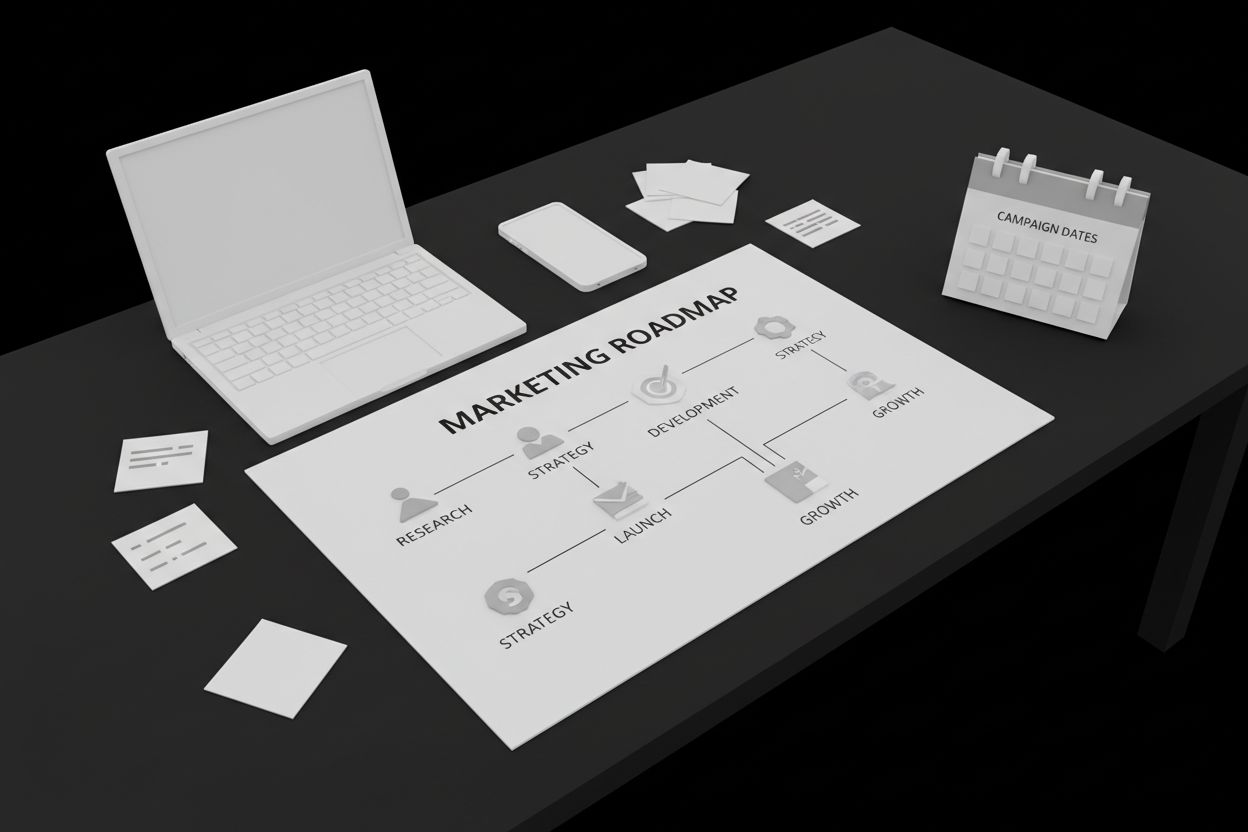
A practical IMC framework is simple enough to repeat and flexible enough to work across industries. The key is to start with research, define one clear message, assign each channel a job, and then measure the result. That approach matches the planning and research emphasis in IMC education and the way modern platforms support coordinated campaigns. (business.adobe.com)
1. Define your audience and the problem you solve
Start with the customer, not the channel. Who are you trying to reach? What are they trying to achieve? What is stopping them from taking action? If lead capture is part of the plan, build the funnel around automated lead generation from the start.
2. Set one primary goal and a few supporting KPIs
Pick the main job for the campaign. Is it awareness, demo requests, purchases, newsletter sign-ups, or booked calls? One campaign can support more than one goal, but it needs a clear priority so the message stays focused.
3. Write one core message
Every good IMC campaign has a simple idea behind it. That idea should be easy to repeat in a headline, a video, a landing page, a chatbot response, and a sales follow-up. A strong core message usually includes the pain point, your value, and a clear reason to act now.
4. Assign each channel a role
This is where IMC becomes practical. Paid search can catch intent, paid social can create demand, organic content can build trust, email can nurture interest, and short-form video can expand reach. Once that structure is clear, paid ads management can work as part of a bigger system instead of a separate budget line.
5. Match the creative to the format
A post, a carousel ad, a TikTok clip, and a webinar recap should not look identical. They should feel like they came from the same brand, but they should be adapted to the platform. That is also where automated social media helps, because consistent publishing keeps the message moving without losing the thread.
6. Make sure the follow-up matches the promise
The handoff matters. If your ad promises fast answers, your landing page should load quickly and your chat flow should respond fast. For many teams, automated AI chat agents help keep the conversation going after the click and prevent warm leads from cooling off.
7. Launch, measure, and improve
Once the campaign is live, review performance by channel and by stage of the funnel. Keep the message that converts, cut the weak angle, and adjust the offer if needed. A useful lead generation and marketing automation guide for 2026 success can help teams tighten the nurture side of the process.
Quick IMC checklist
Before launch, ask these questions:
Does every channel support the same goal?
Is the core message easy to repeat?
Do the visuals and tone feel consistent?
Is the landing page aligned with the ad or post?
Is there a clear next step for the prospect?
Can we measure both brand and response outcomes?
If you can answer yes to most of these, you are already closer to a real IMC system than many brands that simply run campaigns on multiple platforms.
Channels that belong in a modern IMC plan
A modern IMC plan usually blends paid, owned, and earned media. Paid social on Meta and TikTok can create reach quickly, organic social keeps the message familiar, email nurtures interest, SEO captures intent, and chat or AI agents convert more of the traffic you already paid for. Meta’s ad tools support multiple placements, while TikTok Business Center helps teams manage creators, ads, commerce, and analytics in one place. (facebook.com)
A useful way to think about channel roles is this:
Paid social: Build awareness, test offers, and drive traffic.
Organic social: Reinforce voice, build familiarity, and keep the audience engaged.
Email: Nurture leads with relevant follow-up and segmented offers.
Website and landing pages: Convert interest into leads or sales.
Chat and AI agents: Qualify visitors, answer common questions, and route hot leads.
Content and SEO: Capture people who are actively searching for a solution.
PR and creators: Add credibility and widen reach.
When these channels all tell the same story, your audience feels the consistency even if they do not consciously notice it. That is the real power of IMC.
How to measure whether IMC is working

IMC should be measured at more than one level. Brand metrics show whether the story is landing, response metrics show whether people are clicking, and conversion metrics show whether the message is producing revenue or qualified leads. Google Brand Lift measures ad recall, awareness, consideration, and related brand outcomes, which is useful when you want to know whether a campaign changed perception, not just clicks. (support.google.com)
Here are the most useful KPI groups for IMC:
Awareness metrics
Reach
Impressions
Branded search volume
Ad recall
Brand lift
Engagement metrics
Click-through rate
Video completion rate
Saves and shares
Email opens and replies
Time on page
Conversion metrics
Leads
Booked calls
Demo requests
Purchases
Cost per lead
Return on ad spend
Retention metrics
Repeat purchase rate
Customer lifetime value
Churn
Referral rate
Re-engagement rate
Because customer data is becoming more first-party driven, strong measurement depends on how well you connect web, CRM, email, and ad data. That is also why multi-touch attribution matters. It gives you a more realistic view of how people move through the funnel instead of rewarding only the last click. (salesforce.com)
Common IMC mistakes to avoid
Most IMC problems come from process, not creativity. The usual culprits are silos, inconsistent messaging, weak data, and poor coordination between media, content, and follow-up. (business.adobe.com)
Watch out for these mistakes:
Treating each channel like a separate campaign.
Using different messages for different teams without a shared strategy.
Choosing channels because they are trendy instead of because your audience uses them.
Measuring only vanity metrics and ignoring conversion quality.
Sending traffic to weak landing pages.
Forgetting that privacy and consent affect data and follow-up.
Reusing the same creative everywhere without adapting to format.
A simple fix for most of these issues is to create a single campaign brief that every team has to use.
Modern IMC trends to watch
The next version of IMC is being shaped by first-party data, AI-assisted creative, creator partnerships, and short-form video. Meta’s creative tools can generate text variations, resize assets, and adapt creative for different placements, while TikTok’s business tools center on collaboration, creators, and performance analytics. That makes IMC less about manually pushing the same asset everywhere and more about designing a system that can adapt without losing the brand. (facebook.com)
A few trends are worth paying attention to:
First-party data: Brands need cleaner, consent-based customer data.
AI in campaign planning: AI can help with segmentation, creative variation, and faster testing.
Short-form video: Reels, Stories, and TikTok are now core discovery channels.
Creator marketing: Influencer and creator content can extend your brand voice without feeling overly scripted.
Conversational conversion: AI chat and messaging are becoming a bigger part of lead capture.
For teams running Meta or TikTok ads, this matters because performance usually improves when creative is tailored to the placement and the format, not copied blindly from one channel to another.
Frequently asked questions about IMC
Is IMC only for large brands?
No. Small businesses use IMC every day when their ads, website, email, and follow-up messages all tell the same story. The scale changes, but the principle stays the same. (business.adobe.com)
Do I need every channel to use IMC?
No. You only need the channels your audience actually uses. What matters is that each one has a clear role and supports the same strategy. (business.adobe.com)
Can AI help with IMC?
Yes. AI can support creative variations, audience segmentation, chat responses, and campaign optimization, but it should reinforce one strategy rather than replace it. (facebook.com)
What is the fastest way to start?
Write one message, choose two to four channels, align the landing page and follow-up, and define the metrics before launch. That alone will put you ahead of many disconnected campaigns.
The best way to think about IMC is simple: if someone can see your ad, open your email, visit your site, and reply to your chat without feeling a brand switch, your marketing is integrated. That kind of consistency makes lead generation easier, attribution clearer, and growth more predictable. (business.adobe.com)