What Is a Lead Generation Agent? How AI and Multi-Channel Outreach Are Changing the Game
Learn what a lead generation agent does, how AI tools and Meta/TikTok ads fit in, and how to build a system that delivers qualified leads consistently.
Finding new customers is one of the oldest problems in business, and it never really gets easier. Whether you’re running a SaaS startup, a financial services firm, or a real estate agency, the question is always the same: where are your next clients coming from? That’s exactly where a lead generation agent comes in, and the role has changed dramatically over the past few years thanks to AI, smarter ad platforms, and automation tools that can do in hours what used to take weeks.
This article breaks down what a lead generation agent actually does, how modern agents use AI and paid channels like Meta and TikTok to fill pipelines, and how to decide whether to hire one, build a team, or let automation do the heavy lifting.
What Is a Lead Generation Agent?

A lead generation agent is a person, tool, or system responsible for identifying prospective customers and moving them toward a sales conversation. The word “agent” is doing a lot of work here because it can mean several different things depending on context.
The individual specialist: A freelance or in-house professional who handles prospecting, outreach, and lead qualification. They might run LinkedIn campaigns, manage email sequences, or coordinate paid ad spend.
The AI agent: An automated system that uses artificial intelligence to find prospects, personalize outreach, respond to inquiries, and qualify leads without a human being involved in every step.
The outsourced model: A service where an external team acts as your dedicated agents, using a mix of human expertise and technology to deliver qualified leads.
Understanding which type you need is the starting point for building any serious lead generation strategy. A solo freelancer might be ideal for a small business testing a new market. An AI-powered system makes more sense when you’re trying to scale outreach across thousands of prospects simultaneously.
Agent vs. Agency: Why the Distinction Matters
Many businesses searching for a “lead generation agent” are actually comparing two very different options: hiring an individual specialist versus partnering with an agency. Agencies bring broader resources, multiple channels, and account management. An individual agent brings focus, lower cost, and often deeper specialization in one area like cold email or LinkedIn outreach.
The right choice depends on where you are in your growth stage. Early-stage businesses often benefit from a focused agent who can test and iterate quickly. Growth-stage companies usually need the multi-channel firepower and reporting infrastructure that a full automated lead generation setup provides.
How Modern Lead Generation Agents Use AI
AI has fundamentally changed what a lead generation agent can accomplish. Tools like Clay, Apollo.io, Instantly, and Lemlist have made it possible for one person or a small team to execute outreach campaigns that would have required a department just five years ago.
Here’s what AI-powered lead generation looks like in practice:
Prospect research at scale: AI can scan company databases, social profiles, and news sources to build targeted lead lists in minutes rather than days.
Personalized outreach: Rather than sending the same template to thousands of contacts, AI tools can generate personalized opening lines based on a prospect’s recent activity, job changes, or company news.
Lead scoring: Machine learning models score incoming leads based on behavior signals like page visits, email opens, and form submissions, helping agents focus their time on the hottest prospects.
Automated follow-up sequences: AI-driven tools manage multi-step email sequences, text messages, and even LinkedIn touchpoints without manual intervention at each step.
One of the most powerful developments is the AI chat agent, a conversational bot that engages website visitors in real time, qualifies them by asking the right questions, and routes hot leads directly to a sales rep or books a meeting automatically. Automated AI chat agents are increasingly being used to replace or supplement the initial human touchpoint in the sales process, operating 24 hours a day across multiple languages.
Running Paid Ads: Meta and TikTok for Lead Generation
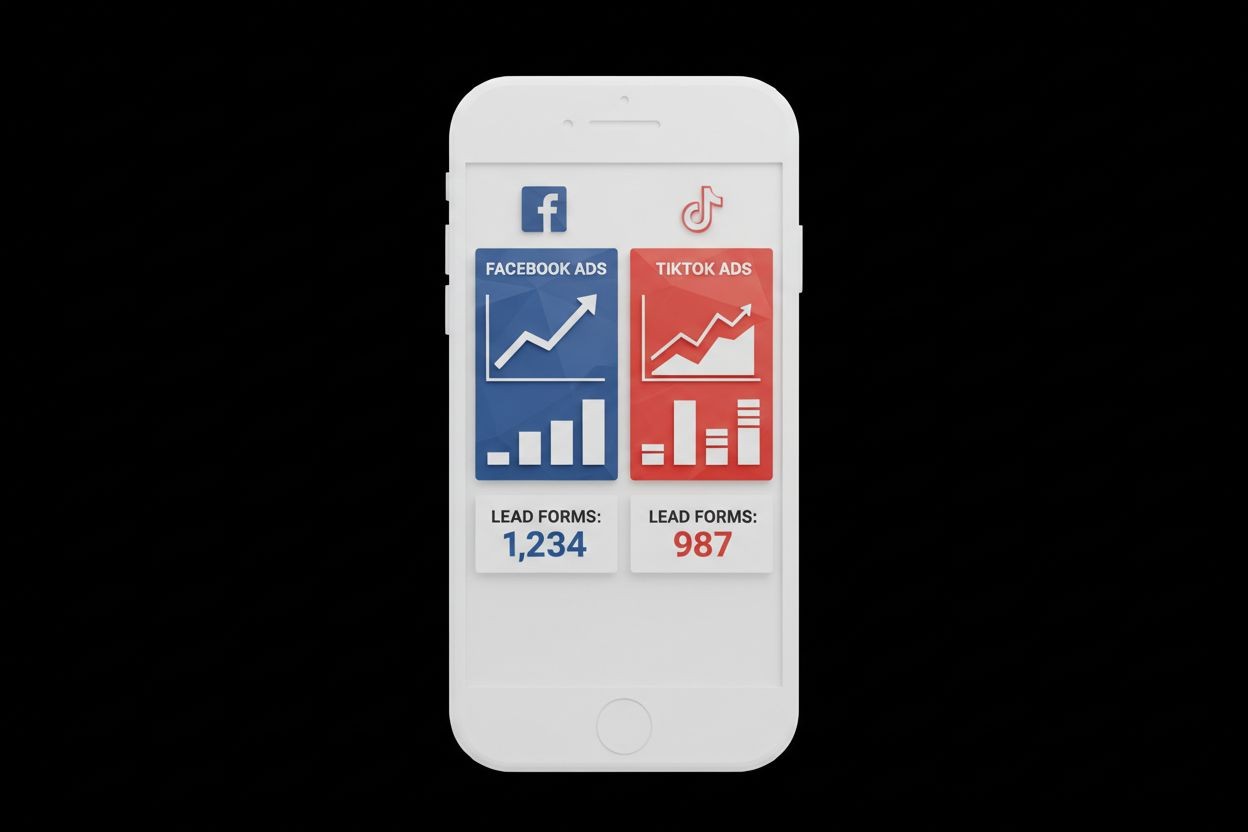
Paid social advertising is one of the highest-leverage channels available to a lead generation agent right now. Meta (Facebook and Instagram) and TikTok have built increasingly sophisticated lead capture tools directly into their platforms, removing friction from the conversion process and delivering leads at competitive costs when campaigns are well-structured.
Meta Ads for Lead Generation
Meta’s Lead Ads product allows prospects to submit their contact information without leaving the Facebook or Instagram app. The form pre-fills with their profile data, which dramatically increases completion rates compared to directing someone to an external landing page.
For a lead generation agent running Meta campaigns, the key decisions are:
Audience targeting: Meta’s audience tools are powerful, but they work best when fed with first-party data. Custom audiences built from existing customer lists and lookalike audiences modeled on those customers consistently outperform interest-based targeting for B2B and considered-purchase categories.
Lead form structure: Shorter forms generate more volume; longer forms generate higher quality. The right balance depends on your sales process. If your team has the capacity to qualify leads through a follow-up call, a shorter form makes sense. If you need pre-qualified appointments, ask more questions upfront.
Ad creative: Video consistently outperforms static images for lead generation on Meta right now. Even simple, direct-to-camera videos explaining your offer and addressing common objections drive strong results.
TikTok Lead Generation Campaigns
TikTok has become a serious lead generation channel, particularly for B2C businesses and any brand targeting a younger demographic. TikTok’s lead generation objective works similarly to Meta’s, with native forms that capture contact details in-app.
What makes TikTok different for a lead generation agent is the content format. Success on TikTok requires content that genuinely fits the platform’s style: authentic, fast-moving, and entertaining even when the underlying message is commercial. Ads that look like ads perform poorly. Content that looks like organic TikTok, while still carrying a clear call to action, is what converts.
Both platforms feed into a broader paid ads strategy. Paid ads management that spans Meta, TikTok, and Google lets you reach prospects at different stages of awareness, from someone who’s never heard of your brand on TikTok to someone actively searching for your service on Google.
SEO and Content as a Long-Term Lead Generation System
Paid ads generate immediate traffic, but organic search builds a lead generation system that keeps working without ongoing ad spend. For a lead generation agent focused on sustainable pipeline growth, SEO is not optional.
The basics of SEO-driven lead generation involve creating content that matches what your target customers are actually searching for, optimizing that content to rank in Google, and converting that traffic into leads through strong calls to action, lead magnets, and conversion-optimized landing pages.
Automated SEO tools have made it much faster to identify keyword gaps, optimize existing content, and track rankings at scale. A lead generation agent using these tools can identify high-intent search terms, create content that addresses those queries, and systematically build organic traffic over time.
The intersection of SEO and lead generation is particularly powerful for B2B businesses. When a potential buyer searches for solutions to a specific business problem and lands on your content, they arrive with much higher intent than someone who clicked on a paid ad. The lead-to-close rate for organic search traffic is often significantly better than for paid channels.
Social Media Automation and AI-Driven Outreach
Beyond paid advertising, social media plays a central role in modern lead generation strategy. LinkedIn is still the dominant platform for B2B prospecting, but Instagram, Facebook Groups, and even TikTok are generating leads for the right businesses.
AI-powered social media tools now allow a lead generation agent to:
Schedule and publish content consistently across multiple platforms
Monitor comments and DMs and respond automatically to common questions
Identify prospects who engage with content and trigger outreach sequences
A/B test messaging and creative to find what resonates
Automated social media management is no longer just about saving time on posting. It’s about building a system that continuously nurtures your audience and converts followers into leads without requiring constant manual effort.
How Leads Get Qualified: MQL, SQL, and Why It Matters
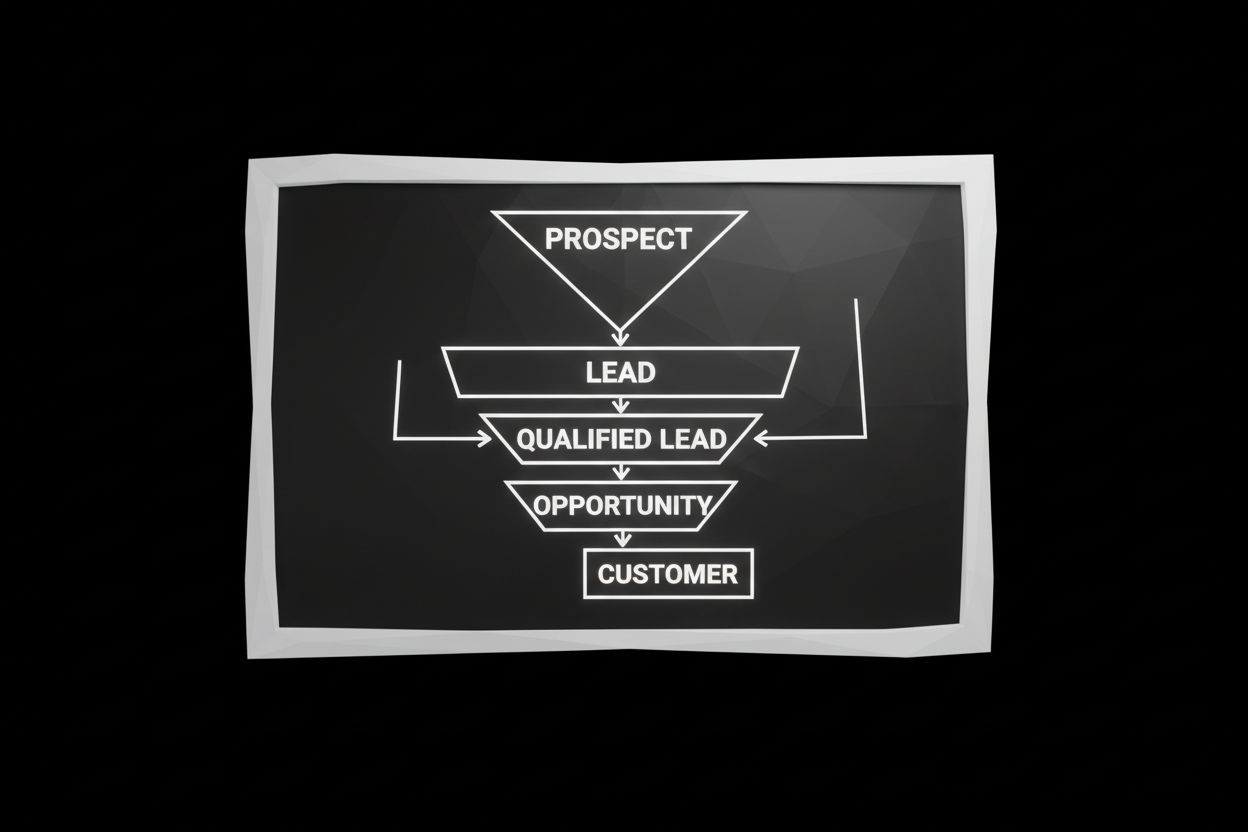
One of the most important functions of a lead generation agent is qualifying leads before they reach the sales team. Not all leads are created equal, and sending unqualified contacts to sales is one of the fastest ways to damage the relationship between marketing and sales.
The two key categories are:
Marketing Qualified Leads (MQLs): Prospects who have shown interest based on their behavior, such as downloading a guide, attending a webinar, or visiting high-intent pages on your website multiple times. They’ve raised their hand but aren’t necessarily ready to buy.
Sales Qualified Leads (SQLs): Prospects who have been vetted and confirmed as a good fit for your product or service. They have budget, authority, need, and a reasonable timeline. These are the contacts that sales reps should prioritize.
Frameworks like BANT (Budget, Authority, Need, Timeline) and MEDDIC (Metrics, Economic Buyer, Decision Criteria, Decision Process, Identify Pain, Champion) give agents a structured way to qualify leads consistently. Understanding CRM tools and how they integrate with your lead gen systems is also critical here. A well-set-up CRM automatically tracks lead scores, stages, and activities, giving the whole team visibility into pipeline health. For a deeper look at how CRM connects to marketing, this guide to CRM in marketing covers the full picture.
When to Hire a Lead Generation Agent vs. Outsource
The decision between hiring an in-house lead generation agent and outsourcing to a service provider comes down to a few key factors:
Hire in-house when:
You have consistent, predictable lead generation needs
Your product or industry requires deep domain knowledge to prospect effectively
You want full control over messaging and brand voice
You’re ready to invest in training and tools
Outsource when:
You need leads quickly and can’t wait for a hiring and onboarding process
Your needs vary month to month and you don’t want fixed headcount
You want access to proven systems and multi-channel expertise without building from scratch
You’re entering a new market and need experienced local knowledge
For many businesses, the answer is a hybrid: an internal person who owns strategy and relationships, supported by automated systems and outsourced execution for specific channels.
Key Performance Metrics for a Lead Generation Agent
Any lead generation agent, whether human or AI-powered, should be held accountable to clear KPIs. The right metrics depend on your business model and sales cycle, but a solid starting framework includes:
Number of qualified leads per month (not just total leads)
Cost per lead (CPL) across each channel
Lead-to-opportunity conversion rate
Time to first contact after a lead is generated
Pipeline contribution from lead generation activities
Lead source attribution to understand which channels are working
Tracking these metrics consistently allows you to optimize campaigns, cut underperforming channels, and double down on what’s working. Many businesses also track lead generation and marketing automation performance as a combined metric, recognizing that the line between generating and nurturing leads has become increasingly blurry.
Frequently Asked Questions
What does a lead generation agent actually do day to day?
A lead generation agent spends their time identifying target prospects, executing outreach across channels like email, LinkedIn, and paid social, qualifying incoming leads, and handing off warm prospects to the sales team. In AI-powered setups, a large portion of this work is automated, with the agent focusing more on strategy, optimization, and relationship-building.
How much does a lead generation agent cost?
Costs vary widely depending on the model. A freelance lead generation agent might charge between $1,500 and $5,000 per month. A full-service outsourced solution typically ranges from $3,000 to $10,000 or more depending on channels, volume, and complexity. AI-powered self-serve tools can bring costs much lower, though they require internal time to set up and manage.
How long does it take to see results from a lead generation agent?
Paid channels like Meta and TikTok can generate leads within days of launching a campaign. SEO and content-driven lead generation typically takes three to six months to build meaningful momentum. Outbound email and LinkedIn prospecting campaigns usually show initial results within two to four weeks.
Do I need a CRM to work with a lead generation agent?
You don’t strictly need one, but having a CRM in place makes a significant difference in how well the system works. Without a CRM, leads can fall through the cracks, follow-up becomes inconsistent, and it’s much harder to track the ROI of your lead generation investment.
The role of a lead generation agent has evolved from cold calling and spreadsheets to AI-powered prospecting, automated social media engagement, and data-driven paid advertising across platforms. Whether you’re considering hiring a specialist, deploying AI tools, or working with an outsourced team, the fundamentals remain the same: find the right prospects, engage them with the right message, and deliver qualified opportunities to your sales team in a consistent, measurable way. Getting that system right is what separates businesses that grow predictably from those that are always chasing the next customer.