Sales Development Representative: Role, Skills, Salary, and Career Path in Singapore
Learn what a sales development representative does, how the role differs from BDRs and AEs, Singapore salary ranges, and how AI shapes the job in 2026.
A sales development representative is often the first human touch in a B2B buying journey. The role sits at the top of the funnel, where marketing-generated interest, outbound prospecting, and fast follow-up turn into qualified meetings for the closing team. That is why the job now shows up everywhere from SaaS and cybersecurity to fintech, agencies, and any business running lead generation through search, Meta ads, TikTok, chat, or LinkedIn. If your pipeline depends on speed and relevance, the sales development representative is the person who helps make that happen. (hubspot.com)
What a sales development representative actually does

At a practical level, a sales development representative identifies prospects, qualifies them, nurtures interest, and hands the right opportunities to an account executive or other closer. HubSpot describes the SDR as a specialized sales professional focused on the early part of the pipeline, while Salesforce notes that sales development teams often handle inbound leads from websites, live chat, phone lines, and demand generation channels. (hubspot.com)
In real day-to-day work, that usually means:
researching companies and decision-makers
writing cold emails and LinkedIn messages
making calls or recording voicemails
replying quickly to inbound leads
booking discovery meetings
updating the CRM so no lead is lost
passing context to the account executive before handoff
The best SDRs are not just sending messages. They are building a repeatable system that turns attention into conversations. If your business wants more predictable pipeline, pairing the role with automated lead generation can remove a lot of manual cleanup and help the SDR spend more time on real opportunities.
SDR vs BDR vs account executive
Sales titles can be messy, and companies use them differently. Salesforce says the structure of sales development, business development, and account executive teams varies by organization, while HubSpot defines BDRs as people who identify and create new business opportunities through outbound prospecting and lead qualification. In simple terms, the acronyms usually mean this: SDRs qualify and book meetings, BDRs hunt for new business, and account executives close deals. (trailhead.salesforce.com)
That said, the job description matters more than the title on the business card. In some companies, SDR and BDR are interchangeable. In others, SDR means inbound qualification and BDR means outbound prospecting. Account executives are typically the people who own the full sales cycle after the meeting is set and the opportunity is real. Salesforce also notes that SDR roles can be an entry point on the path to AE. (salesforce.com)
Skills and tools employers expect

Hiring managers look for more than confidence on the phone. A strong sales development representative needs short-form writing skills, curiosity, good research habits, resilience, and the ability to stay organized across a lot of moving parts. In Singapore, recent SDR listings often mention tools such as Salesforce, Salesloft, LinkedIn Sales Navigator, Qualified, and Gong, which tells you the role is both people-driven and systems-driven. (sg.linkedin.com)
A few skills show up again and again:
Clear writing for cold email and LinkedIn outreach
Discovery so you can ask useful questions quickly
Objection handling when the answer is no or not now
CRM discipline so follow-up never slips
Time management because the day moves fast
Social selling because buyers spend time on LinkedIn and other platforms
If you want to understand the backbone of this workflow, our what is CRM in marketing guide is a useful place to start. A CRM is where contacts, stages, notes, and follow-up history come together, which is exactly why SDRs live and die by data hygiene.
LinkedIn also says Sales Navigator can connect to CRM systems, offer more search filters, and even help write more personalized messages with AI-assisted features. That matters because modern SDR work is less about blasting more people and more about reaching the right people with better context. (linkedin.com)
Sales development representative salary in Singapore
Singapore does not have a general minimum wage, so compensation is negotiated based on role, industry, and performance. That makes SDR pay highly variable, especially once commission and quota attainment enter the picture. (mom.gov.sg)
For a rough market sense, Indeed reports that the average salary for a sales representative in Singapore is SGD 3,339 per month, updated on 4 February 2026. Glassdoor’s Singapore data for sales development representative shows an estimated annual pay of about SGD 78,000, with a typical range of roughly SGD 44,975 to SGD 108,709. Those numbers are not identical because title scopes vary, but together they show how wide the range can be depending on company size, sector, and commission structure. (sg.indeed.com)
A few things usually move the number up or down:
whether the role is inbound, outbound, or hybrid
whether the team sells SaaS, cybersecurity, fintech, or services
how aggressive the quota is
whether the company pays strong OTE or only a modest base
whether the path into AE is clearly defined
If you are applying from overseas, check work authorization early. Singapore’s Ministry of Manpower says Employment Pass candidates must currently meet a minimum qualifying salary of S$5,600 a month, and employers must also pass COMPASS requirements. (mom.gov.sg)
Where SDR work fits in modern lead generation
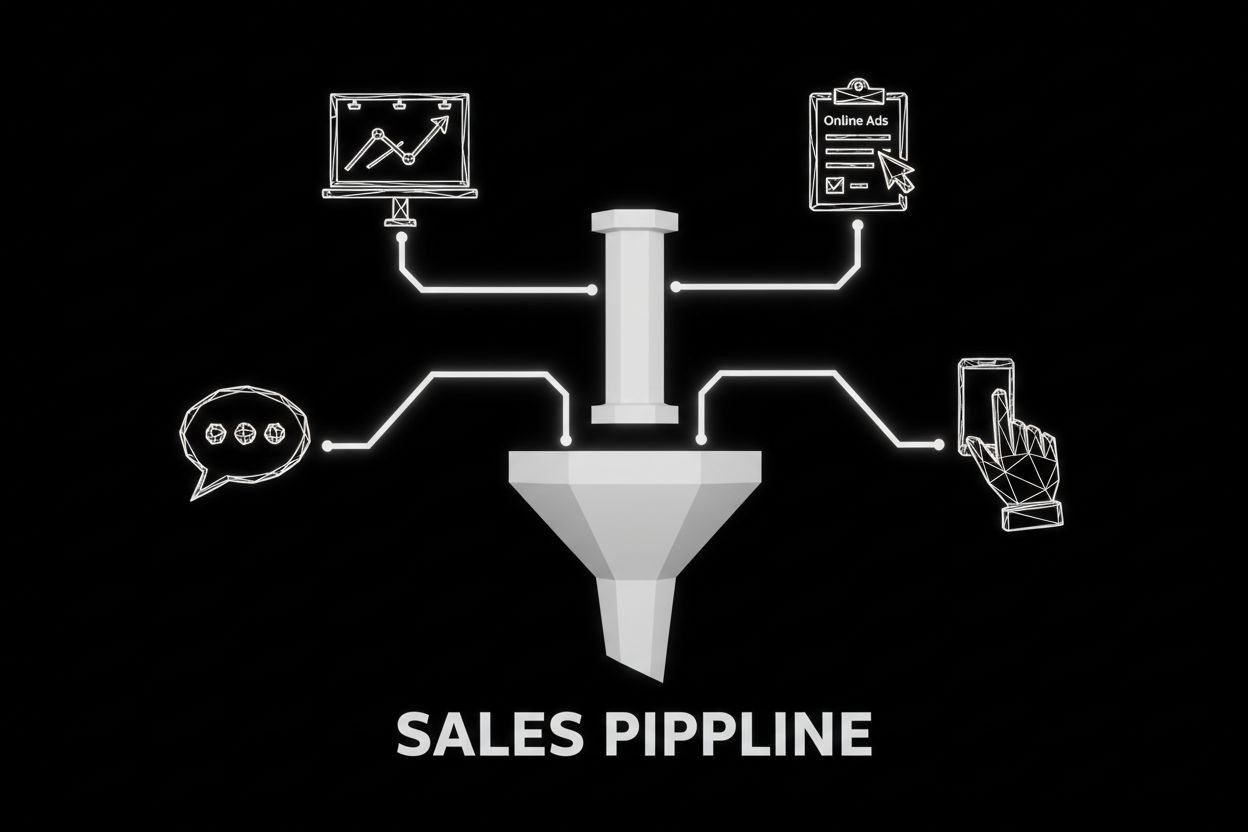
This is where the role has changed the most. A sales development representative used to live on cold calls and email. Today, the best teams connect ads, landing pages, forms, chat, CRM, and social outreach into one pipeline. Salesforce notes that sales development teams qualify inbound leads from websites, live chat, phone lines, and demand generation channels, while HubSpot says marketing automation can automate lead generation with email and forms. (trailhead.salesforce.com)
That means an SDR is no longer working in isolation. If your automated social media system is producing interest, or your paid ads management campaign is driving landing page submissions, the SDR becomes the person who responds quickly enough to convert that attention into a meeting. A good automated AI chat agents setup can also capture and qualify visitors 24 hours a day, then hand warmer leads to a human rep when the timing is right.
Social selling matters too. Salesforce says social media prospecting happens across LinkedIn, Facebook, Instagram, TikTok, and X, and LinkedIn’s own cited research says companies that prioritize social selling are 51% more likely to reach their sales quota. (salesforce.com)
The practical takeaway is simple. The sales development representative is not just a caller. In a modern stack, they are the human layer on top of automation, content, ads, and social signals. Their job is to read intent and move the lead forward before interest cools.
How to get hired for an SDR role in Singapore
Recent Singapore listings show that demand is still strong, with LinkedIn currently surfacing hundreds of SDR jobs in Singapore and many of them tagged hybrid or flexible. Current postings from companies like LinkedIn, CrowdStrike, Udemy, Qualtrics, and Thomson Reuters also show that many employers expect comfort with modern sales tools and a hybrid working style. (sg.linkedin.com)
If you are applying, your resume should prove you can create pipeline, not just that you want to work in sales. Use metrics wherever possible. Good examples include reply rates, meetings booked, target accounts researched, industries covered, languages spoken, and tools used. If you have experience in customer service, recruiting, retail, campus leadership, or internships, frame it around outreach, follow-up, and persuasion.
What to put on your resume
measurable outreach results
CRM or sequencing tools you have used
examples of handling objections
any experience with lead qualification
evidence that you can work independently and stay organized
Interview questions to practice
How do you research a prospect before outreach?
What makes a cold email worth opening?
How do you handle a prospect who says not interested?
How do you decide which lead to work first?
What would you do if your reply rate dropped?
If you are not a Singapore citizen or permanent resident, check work pass requirements before you get too far into the process. That saves time for both sides and avoids a lot of avoidable frustration. (mom.gov.sg)
Where the role leads next
A sales development representative role is often a launchpad. Salesforce describes SDR and related sales development roles as an entry point on the path to Account Executive, and that is still one of the most common career moves. (salesforce.com)
From there, the path can go in a few directions:
Account Executive, for people who want to own the close
Business Development, for more outbound and partnership work
Customer Success, for relationship and retention work
Sales Enablement, for coaching and process improvement
Revenue Operations, for the systems and data side of growth
For some people, the appeal of the sales development representative job is that it teaches the whole front end of the funnel quickly. You learn how demand is created, how interest is qualified, and how pipeline really gets built. That makes the role useful whether you stay in sales, move into marketing, or shift into operations.
Frequently asked questions
What does a sales development representative do?
A sales development representative qualifies leads, nurtures prospects, and books meetings for the people who close deals. It is a top-of-funnel role that sits between marketing interest and the sales handoff. (hubspot.com)
Is SDR a good entry-level job?
Yes. Salesforce describes SDR and related sales development roles as an entry point on the path to Account Executive, and the role builds practical skills like research, outreach, qualification, and pipeline discipline. (salesforce.com)
How much does a sales development representative earn in Singapore?
Pay varies a lot by company and quota. Indeed’s Singapore data shows an average sales representative salary of SGD 3,339 per month, while Glassdoor estimates Singapore SDR pay at about SGD 78,000 per year with a typical range of SGD 44,975 to SGD 108,709. (sg.indeed.com)
What skills do employers look for?
Clear writing, discovery, objection handling, CRM discipline, social selling, and consistent follow-up are the big ones. Many Singapore listings also mention tools like Salesforce, Salesloft, LinkedIn Sales Navigator, Qualified, and Gong. (sg.linkedin.com)
Are SDR jobs remote or hybrid in Singapore?
Many are hybrid or flexible. Recent Singapore postings from LinkedIn, CrowdStrike, Udemy, Qualtrics, and Thomson Reuters all show hybrid-style work arrangements in the market. (sg.linkedin.com)
The bottom line is simple. A strong sales development representative is part communicator, part researcher, and part systems operator. For businesses, the role works best when content, ads, chat, CRM, and outreach are connected. For job seekers, the winning profile is someone who can prove they know how leads are created and how to move them forward.