AI outbound lead generation: A practical guide to scaling B2B outreach
Practical guide to AI outbound lead generation for B2B teams. Learn step-by-step setup, deliverability, personalization, ads, AI chat agents, and compliance.
Every sales team wants more qualified conversations, not more manual work. AI outbound lead generation helps you find the right prospects, personalize outreach at scale, and keep inboxes healthy so replies turn into demos and deals. This guide walks through a practical, tactical playbook you can implement with your existing tools.
What is AI outbound lead generation?

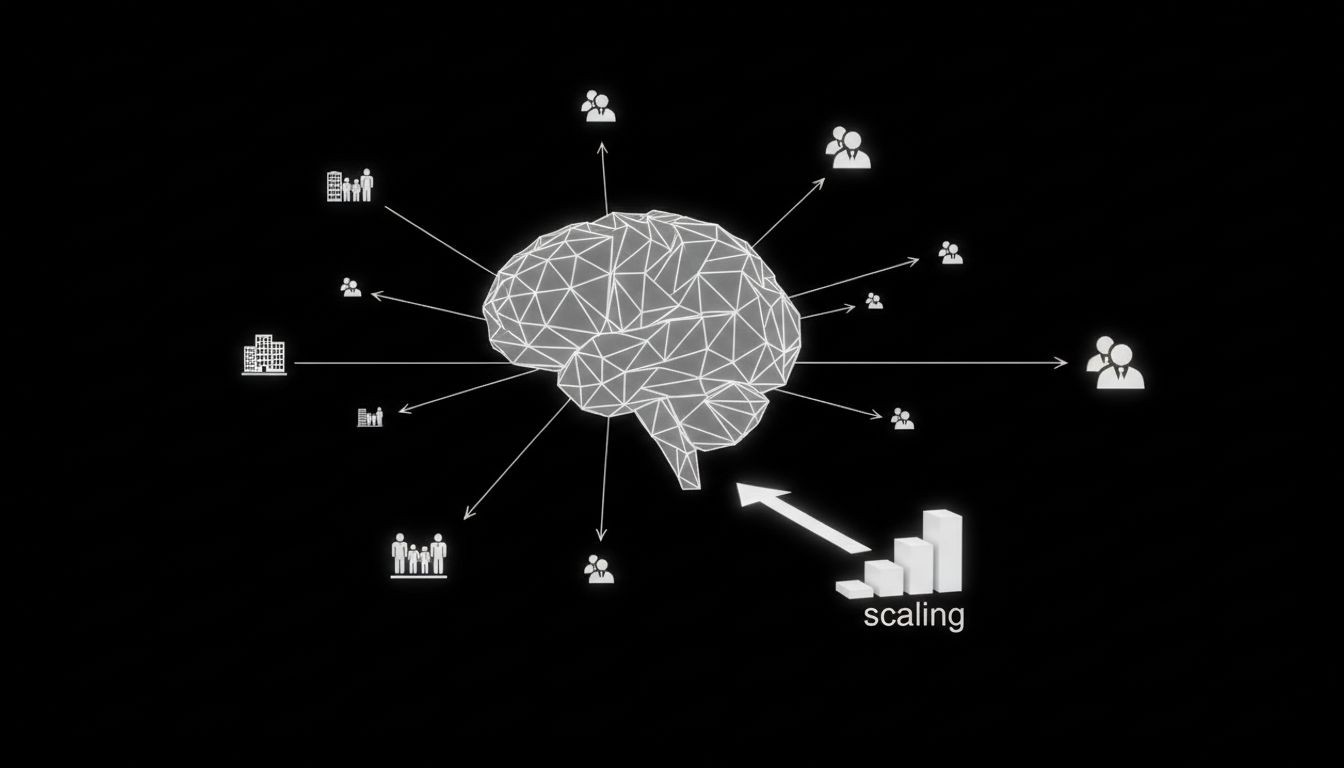
AI outbound lead generation uses machine learning and automation to discover prospects, enrich contact records, build personalized outreach, sequence follow ups, and route replies through AI-assisted inbox agents. It blends verified lead databases, sender infrastructure, content personalization, and campaign orchestration so SDRs and marketers focus on high value tasks.
Core components:
Lead discovery and enrichment: large B2B contact databases plus real time company and role data. AI filters help identify accounts that match your ICP.
Personalization at scale: dynamic templates that inject company signals, role-specific hooks, and micro personalization such as recent product launches or funding events.
Sequencing and automation: multi channel cadences across email, LinkedIn, SMS, and DM platforms with timed follow ups and branching logic.
AI reply handling: classify and draft responses, route qualified replies to AEs, and auto-nurture uninterested contacts.
Deliverability infrastructure: warmup, domain management, SPF DKIM DMARC, and reputation monitoring.
Why this matters: manual prospecting is slow and error prone. With AI automation you can increase reply rates while lowering cost per qualified lead.
Learn how automated lead tools can plug into your process.
Why AI outbound lead generation matters for modern B2B growth
Companies that adopt AI outbound tactics consistently generate predictable pipeline and reduce churn in outreach volume. Here are the key problems it solves:
High volume with low personalization leads to poor reply rates.
Manual research is time consuming and hard to scale.
Deliverability issues create wasted effort and can damage domain reputation.
Cross channel coordination between SDRs, marketing, and paid acquisition is fragmented.
Business impacts to expect when you do this right:
Higher qualified reply rates, often moving from sub 1 percent to 3 to 7 percent depending on ICP and messaging.
Faster pipeline velocity by routing hot replies to AEs immediately.
Lower cost per meeting when combined with targeted paid campaigns on Meta or TikTok that feed into the same ICP.
Step-by-step implementation: a playbook you can run this week
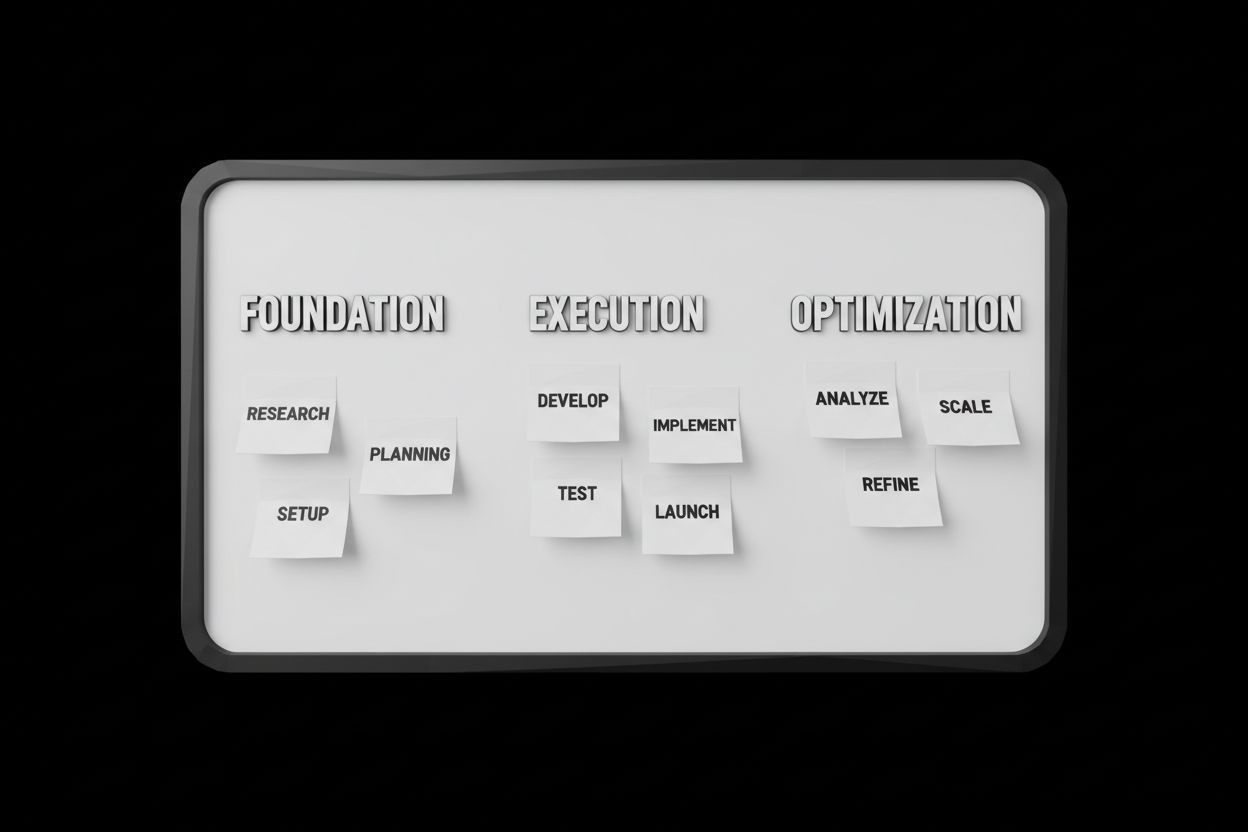
Follow these phases. Each phase includes prioritized technical and human tasks.
Foundation: data, deliverability, and ICP
Define your ICP with firmographics and intent signals. Use account scoring so your campaigns prioritize accounts with high propensity to buy.
Build or buy a verified contact database. Aim for email verified at scale and enriched role data.
Set up email infrastructure: create sending domains per region or vertical, configure SPF, DKIM, and DMARC, and build a warmup schedule. Use domain rotation to protect sender reputation.
Integrate with CRM and lead routing. Map fields and set up lead status workflows so AI-generated replies sync to Salesforce, HubSpot, or your CRM of choice.
Address compliance. Document opt-out flows and retention policies for GDPR and CCPA sensitive audiences.
Execution: campaign build and multi channel outreach
Create modular templates. Build templates that accept dynamic variables so you can swap messages per vertical or persona without rewriting.
Sequence channels. A typical cadence: email 1, LinkedIn connect, email 2 with a data point, SMS to confirmed opt in, LinkedIn message, final breakup email. Keep a 10 to 14 day cadence window for initial sequences.
Personalization strategy. Use AI to generate 1 to 2 short personalization lines based on a prospect’s company news, product, or LinkedIn activity. Keep personalization measurable and easy to A B test.
Run small tests. Start with 200 to 1,000 prospects per test cohort to validate messaging and channels before scaling.
Use paid ads to amplify. Parallel Meta and TikTok campaigns targeted to the same ICP increase touch frequency. Run a nurturing retargeting sequence that links back to a calendly or a gated piece of content.
Optimization: routing, AI reply agents, and scaling
Route replies with SLA rules. Hot replies should go to AEs immediately, while informational replies can be auto-handled by an AI reply agent.
Teach AI agents your voice. Use a set of approved reply templates and escalation rules so agents only send responses within guardrails.
Monitor deliverability daily. Watch opens, bounces, spam complaints, and sender score. Pause segments with spikes in bounce or complaint rates.
Measure conversion metrics, not vanity metrics. Track reply to meeting conversion and opportunity creation rate per channel.
If you need help designing workflows between data, ads, and inbox routing, the guide to CRM strategy explains integration patterns and automation best practices in depth.What Is CRM in Marketing.
Best practices and advanced tactics

Deliverability and reputation
Warm up new domains gradually and keep sending consistent volume. Sudden spikes will trigger spam filters.
Use rotation across multiple warm domains when you scale to many inboxes. Track reputation per domain.
Authenticate every sending domain and set up a DMARC policy with reporting enabled.
Maintain a hygiene process. Remove hard bounces and stale contacts automatically. Use engagement-based suppression lists.
Personalization and creative
Personalization should be short and relevant. One specific detail is more credible than a paragraph of generic flattery.
Use AI to draft personalization lines, then human edit for accuracy and tone.
Test subject lines and opening hooks in A B tests. Keep a testing cadence and measure reply lift, not just open rate.
Sequencing and timing
Send primary emails midweek in the late morning in the prospect’s timezone. Test local sending windows for your vertical.
For LinkedIn, space outreach at least 48 hours from the first email to avoid appearing too aggressive.
Use AI to predict optimal send time per contact based on past engagement patterns.
Metrics to track
Reply rate and positive reply rate.
Reply to meeting conversion.
Bounce and complaint rate per domain.
Cost per meeting when combining paid channels with outbound.
Advanced optimization
Implement intent signals such as recent funding, hiring surges, or job postings to prioritize accounts.
Use lead scoring that blends firmographic, behavioral, and engagement data to route and prioritize contacts.
Build a negative intent model to automatically pause outreach to companies that recently raised privacy concerns or made public statements that make outreach inappropriate.
Using AI chat agents and social media to increase conversions
AI chat agents handle high volume inbound that results from outbound campaigns and paid ads. They answer qualifying questions, book meetings, and escalate to human reps as needed. Best practices:
Keep the chat agent focused on qualification questions and calendar booking. Full demos should remain with humans.
Connect chat transcripts to your CRM. Create a summary field so AEs see the quick context before the meeting.
Use the same tone and messaging across email, chat agents, and social ads so prospects experience a consistent narrative.
Social media and paid ads
Run short, targeted Meta and TikTok campaigns that mirror your outbound message and drive prospects to a conversion point such as a short diagnostic or a calendar link.
Use lookalike audiences seeded from engaged outbound prospects to expand reach efficiently.
Retarget users who clicked an email link or visited a pricing page. Retargeting can increase meeting conversion by keeping your brand top of mind.
If you want a managed approach to paid channels that integrates with outbound, see our paid ads management service for campaign design and execution.Paid Ads Management.
Platform and tool selection: what to evaluate
Choose tools that match your scale and team structure. Key criteria:
Data quality: Does the platform provide verified B2B contacts and enrichment? Poor data wastes time.
Deliverability features: built-in warmup, domain rotation, and reputation monitoring are essential.
AI capabilities: Look for AI that supports reply classification, draft responses, and personalization generation.
Integration: Native CRM sync, calendar booking, ad platform connectors, and webhooks.
Pricing model: Flat fee with unlimited accounts can be cheaper at scale, but per-seat pricing may work for small teams.
Recommended toolkit pattern:
A verified contact provider for enrichment.
An outbound platform that handles sequencing and deliverability.
An AI layer for personalization and reply automation.
A chat agent for inbound qualification.
Paid ads platform for Meta and TikTok campaigns.
For teams building an end-to-end automated system that includes chat agents and lead orchestration, our automated AI chat agents service explains how to connect these pieces effectively.Automated AI Chat Agents.
Team, process, and training
The right tools will not replace a process driven team. Actions to align teams:
Create an SDR training playbook. Include how to review AI-suggested personalizations, escalate replies, and use the CRM.
Establish clear handoff rules from SDR to AE. Define criteria for a sales qualified lead and set SLAs for follow up.
Run weekly retrospectives on sequence performance and creative tests. Share learnings across marketing and sales.
Create a small deliverability war room for the first 30 days after a major scale up. Monitor reputation, complaints, and deliverability signals daily.
If your team needs a complete automation blueprint, our lead generation and marketing automation guide has templates and workflows you can adapt.Lead Generation and Marketing Automation Guide.
Compliance, privacy, and opt-outs
Build an auditable opt-out system. Every message must offer a clear and easy opt-out channel.
Maintain a data retention policy and document consent for targeted regions like the EU.
For regulated verticals such as health or finance, involve legal early and create a compliance checklist before sending any outreach.
Use consent-aware channels where required. SMS and some messaging platforms require explicit opt ins.
Troubleshooting common problems
Problem: spike in bounces or complaints
Solution: pause the affected domain, investigate recent lists for quality issues, and rewarm a fresh domain with small volume.
Problem: low reply rate after scaling
Solution: revert to a winning message cohort, re-segment the ICP for higher intent, and introduce behavioral signals into scoring.
Problem: AI-generated personalization is inaccurate
Solution: add a human review step for all first messages in new verticals and retrain prompts or templates with corrected examples.
Conclusion and next steps
AI outbound lead generation is not a plug and play magic box. It requires data discipline, deliverability hygiene, clear team processes, and continuous testing. Start small with a pilot that combines enriched contacts, one vertical, AI-assisted personalization, and a single multi channel cadence. Measure reply to meeting conversion and scale the cohorts that produce consistent pipeline.
If you want help setting up the flywheel that connects outbound, chat agents, and paid social campaigns, our automated lead generation and integrated social services can help you move from pilot to scale faster.Automated Lead Generation Service
Ready to test a pilot? Contact our team for a technical audit and tailored playbook to improve reply rates and pipeline velocity.Contact us