Lead Generation How To Guide: Strategies for 2026 Success
Master lead generation how to with actionable 2026 strategies covering AI, targeting, multi channel campaigns, automation, and compliance for measurable growth.
Dec 15, 2025
In 2026, lead generation is both a growing challenge and a powerful opportunity for businesses navigating rapid digital change. As buyer behaviors shift and new technologies emerge, staying ahead requires a future-ready approach.
Recent studies show a dramatic rise in demand for smarter, more targeted campaigns. This lead generation how to guide reveals the most effective, up-to-date strategies to help you drive growth and outperform your competition.
Inside, you will find clear, actionable steps, expert insights, and proven examples to build a high-performing, future-proof lead generation engine. Ready to take action? Start implementing these 2026-ready tactics for measurable results.
1. Understanding Lead Generation in 2026: Trends & Fundamentals
In 2026, the rules of lead generation how to have changed dramatically. Businesses must adapt to stay ahead, as digital transformation, AI, and evolving privacy laws redefine how leads are found and converted.
The Evolution of Lead Generation
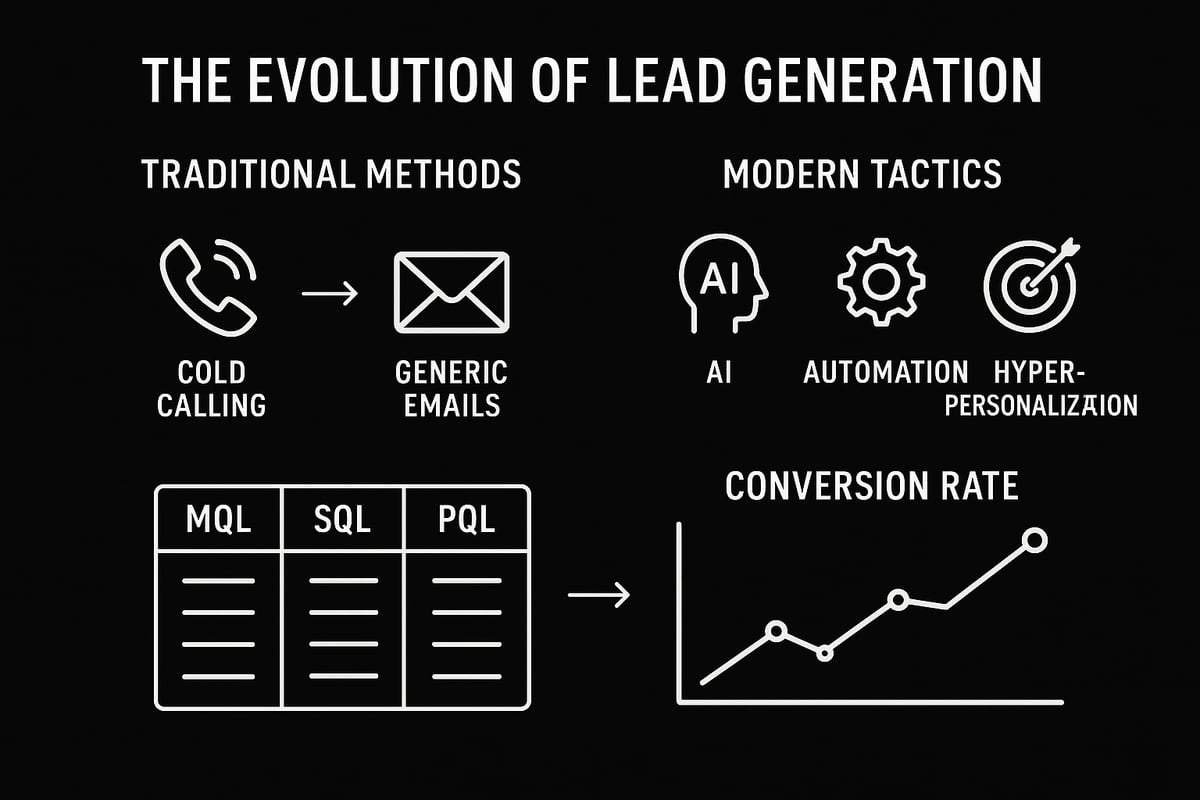
The landscape for lead generation how to has shifted from traditional, manual tactics to data-driven, automated systems. In the past, marketers relied on broad outreach, such as cold calls and generic email blasts. These methods emphasized volume over quality, often leading to wasted resources and low conversion rates.
Today, AI and automation are at the forefront. Predictive analytics and intent data allow businesses to target prospects with unmatched precision. The deprecation of third-party cookies has forced marketers to prioritize first-party data and privacy-compliant processes. According to recent trends, professional services now report higher conversion rates when focusing campaigns on leads that align with their Ideal Client Profile (ICP).
A core difference in the modern approach is the emphasis on disciplined, repeatable systems. Rather than one-off tactics, organizations are building integrated lead generation systems explained to ensure consistent results. Quality is prioritized over quantity, with clear definitions for Marketing Qualified Leads (MQLs), Sales Qualified Leads (SQLs), and Product Qualified Leads (PQLs).
Here’s a quick comparison:
Approach | Traditional Lead Gen | Modern Lead Gen (2026) |
|---|---|---|
Outreach | Cold calls, mass emails | AI-driven, personalized messaging |
Targeting | Broad, generic | ICP-based, intent-driven |
Data Privacy | Minimal focus | High priority, transparent |
Measurement | Basic, volume-based | Advanced, quality-centric |
For example, instead of sending the same message to thousands, businesses now use hyper-personalized outreach based on predictive signals. This is the essence of lead generation how to succeed in the future.
Types of Leads & Buyer Personas
Understanding the nuances of lead types is crucial for lead generation how to strategies. Here are the key categories:
Raw Leads: Basic contact details, minimal engagement.
MQLs (Marketing Qualified Leads): Engaged with marketing content, fit ICP criteria.
SQLs (Sales Qualified Leads): Assessed by sales as ready for direct outreach.
PQLs (Product Qualified Leads): Demonstrated product interest through trials or feature usage.
Developing detailed ICPs and buyer personas is foundational. Deep persona research uncovers buyer pain points, content preferences, and decision triggers. Campaigns tailored to these insights drive higher performance. For instance, landing pages designed for specific personas convert twice as well as generic ones.
Effective lead generation how to approaches start with understanding who your ideal buyers are and what motivates them. By prioritizing quality and personalization, marketers position themselves for success in 2026.
2. Laying the Strategic Foundation for Lead Generation Success
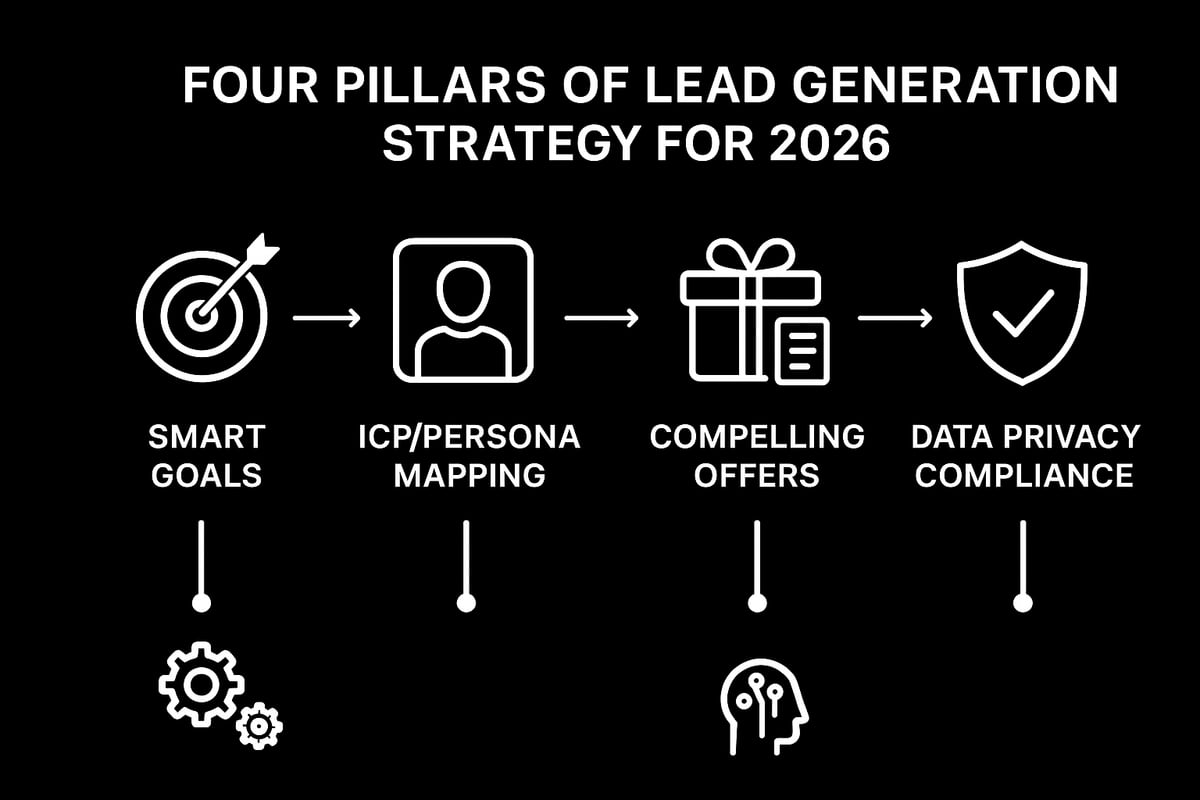
Establishing a robust strategic foundation is essential for any successful lead generation how to initiative in 2026. With rapid changes in buyer behavior and technology, setting clear goals, deeply understanding your audience, refining offers, and ensuring compliance are the cornerstones for long-term growth.
Setting SMART Lead Generation Goals
Every effective lead generation how to plan starts with well-defined, measurable objectives. Vague goals such as "get more leads" often lead to wasted resources and missed targets. Instead, apply the SMART framework: Specific, Measurable, Achievable, Relevant, and Time-bound.
For example, replace generic targets with precise outcomes like "generate 75 MQLs and 15 SQLs from biotech companies in Q4." This clarity helps align your marketing team with sales and business development, ensuring efforts are focused on outcomes that drive the business forward.
When you establish KPIs that match your organizational priorities, you can easily track progress and make data-driven adjustments. This step is foundational in any lead generation how to strategy, setting the stage for scalable growth.
Building and Refining Your ICPs and Personas
Defining your Ideal Client Profile (ICP) and buyer personas is a critical next step in the lead generation how to process. Begin by segmenting your market by industry, company size, and geography. Use research, customer interviews, and analytics to validate these personas and ensure they reflect real-world buyer journeys.
Map out the specific pain points, motivations, and content preferences for each persona. Regularly update your profiles to reflect new trends and shifts in the market. In 2026, leveraging AI-driven analytics can help you uncover deeper insights into buyer behavior, making your campaigns even more targeted.
A detailed ICP and persona document makes it easier to personalize outreach, enhance messaging, and increase campaign relevance. This approach is vital for any lead generation how to framework that aims for quality over quantity.
Crafting Compelling Offers and Value Propositions
To capture the attention of your target audience, your lead generation how to approach must include irresistible offers. Gone are the days of generic sales pitches. In 2026, prospects expect value-first assets, such as benchmark reports, calculators, and interactive webinars.
Focus on educational resources that showcase your expertise and address the unique pain points of each persona. For example, a cybersecurity readiness report tailored to regional banks provides tangible value and positions your brand as a trusted advisor.
Avoid hard sells. Instead, let your content demonstrate your understanding of industry challenges. Standout offers not only drive conversions but also build lasting credibility within your lead generation how to strategy.
Compliance & Data Privacy in Lead Generation
A future-proof lead generation how to strategy must prioritize compliance with evolving privacy regulations. Rules such as GDPR, CCPA, and new 2026 standards are reshaping how data can be collected and used. Transparent communication about data usage builds trust with potential leads.
Integrate clear privacy statements into your lead capture forms and ensure your processes align with legal requirements. Automation tools can help streamline compliance and improve transparency. For more on optimizing these workflows, see Marketing automation for lead gen.
Recent studies show that 60% of buyers prefer to engage with brands that demonstrate strong data privacy practices. By embedding compliance into your lead generation how to process, you not only avoid legal pitfalls but also enhance your reputation and conversion rates.
3. Step-by-Step: Building a High-Converting Lead Generation Campaign
Building a high-converting campaign in 2026 requires a systematic approach. In this section, you will learn a practical lead generation how to blueprint that transforms strategy into measurable results. Each step below is designed to help you attract, engage, and convert your ideal clients in today’s digital-first environment.
Step 1: Creating High-Value Content & Offers
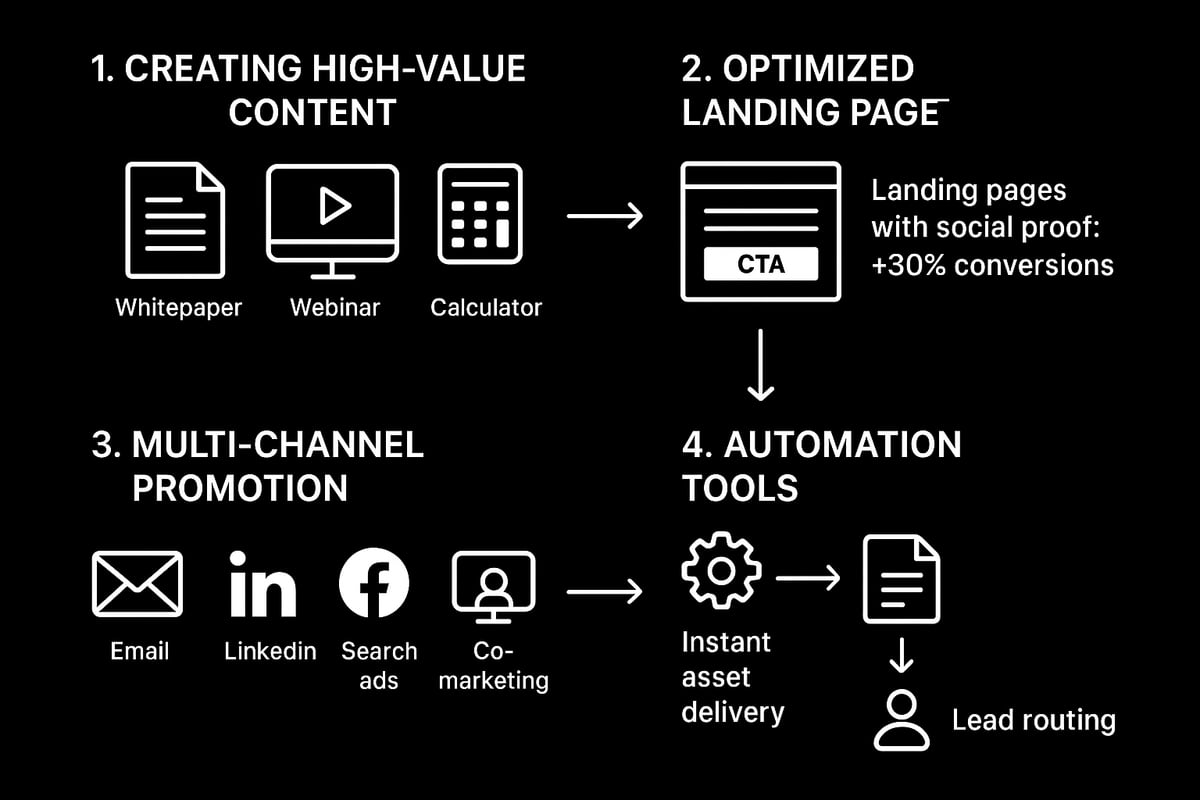
The foundation of any successful lead generation how to campaign is content that your ideal clients truly value. In 2026, buyers expect more than basic blog posts—they seek actionable insights, tailored tools, and resources that directly address their challenges.
Start by identifying the content formats that resonate with your audience. Whitepapers, webinars, and diagnostic tools consistently outperform generic content. For example, a deep-dive guide focused on a niche industry pain point will generate higher engagement compared to broad, surface-level topics.
Align your topics with both buyer pain points and search intent. Use analytics and persona research to understand what questions your audience is asking and how they consume information. This approach ensures your lead generation how to efforts are targeted and relevant.
Consider these high-performing content ideas:
Industry benchmark reports with original data
ROI calculators tailored to specific business functions
Webinars featuring expert panels or live Q&A sessions
By offering content that educates and empowers, you position your brand as a trusted advisor. Remember, the more value you provide upfront, the more likely prospects are to share their information and move further down your lead generation how to funnel.
Step 2: Designing Optimized Landing Pages & Forms
A well-crafted landing page is critical for converting visitors into leads. The lead generation how to process hinges on minimizing friction and maximizing clarity at this stage.
Best practices include:
A clear, benefit-focused headline that matches your offer
Concise, persuasive copy that addresses a specific pain point
A single, prominent call-to-action (CTA) to avoid confusion
Form optimization is just as important. Only request essential information to reduce drop-off rates. For instance, asking for name, email, and company is often sufficient for a first interaction.
Incorporate social proof wherever possible. Testimonials, client logos, and case study highlights reassure visitors about the value of your offer. According to industry data, landing pages featuring social proof see conversion rates jump by 30 percent compared to those without.
Here is a quick reference table for landing page essentials:
Element | Best Practice | Impact |
|---|---|---|
Headline | Clear, benefit-driven | Captures attention |
Copy | Concise, addresses pain points | Increases relevance |
CTA | Single, action-oriented | Reduces confusion |
Form | Minimal fields | Lowers friction |
Social Proof | Testimonials, logos, case studies | Boosts trust, +30% conv. |
Optimizing these elements ensures every visitor has a seamless experience, making your lead generation how to campaign more effective.
Step 3: Choosing and Integrating Multi-Channel Promotion
To maximize reach and efficiency, a modern lead generation how to campaign must leverage multiple channels. Relying on a single method limits your audience. Instead, integrate email, paid and organic social, search ads, and strategic partnerships.
Start with segmented, personalized email campaigns. Tailor messaging based on prospect behavior and preferences. Schedule sends to align with key buying stages for higher engagement.
On social platforms, use advanced targeting options—job title, industry, and intent signals—to reach your ideal buyers. Paid ads on LinkedIn and Facebook can deliver your offer directly to decision-makers. For deeper insights into strategies, explore lead generation through social media to see how top brands succeed across channels.
Organic social should not be overlooked. Encourage employee advocacy and thought leadership posts to expand your brand’s influence. Co-marketing, such as partnering with a non-competing firm for a joint webinar, can tap into new audiences and add credibility.
Combine these tactics for greater impact. A lead generation how to campaign that meets prospects where they are—across multiple touchpoints—drives higher conversion rates and nurtures trust.
Step 4: Automating Lead Capture and Routing
Automation is the backbone of any scalable lead generation how to process in 2026. Modern marketing automation platforms enable you to deliver assets instantly and assign leads to the right sales reps without manual intervention.
Set up workflows that trigger asset delivery as soon as a form is submitted. For example, when a prospect downloads a whitepaper, the system can instantly send a follow-up email with additional resources.
Lead routing is equally important. Define rules to ensure that marketing-qualified leads (MQLs) are handed off to sales at the right moment. Automated alerts can notify your team when a lead engages with high-value content, such as attending a webinar or viewing a pricing page.
Here is a sample automation workflow:
By leveraging automation, you reduce response times and ensure every lead receives timely, relevant follow-up. This systematic approach is essential to any lead generation how to campaign that aims for consistency and scale.
4. Lead Nurturing & Sales Alignment: Converting Leads Into Opportunities
Transforming leads into genuine sales opportunities is the ultimate goal of any successful lead generation how to strategy. In 2026, seamless nurturing and tight sales alignment are essential for maximizing pipeline value and ensuring every qualified lead receives the right treatment at the right time.
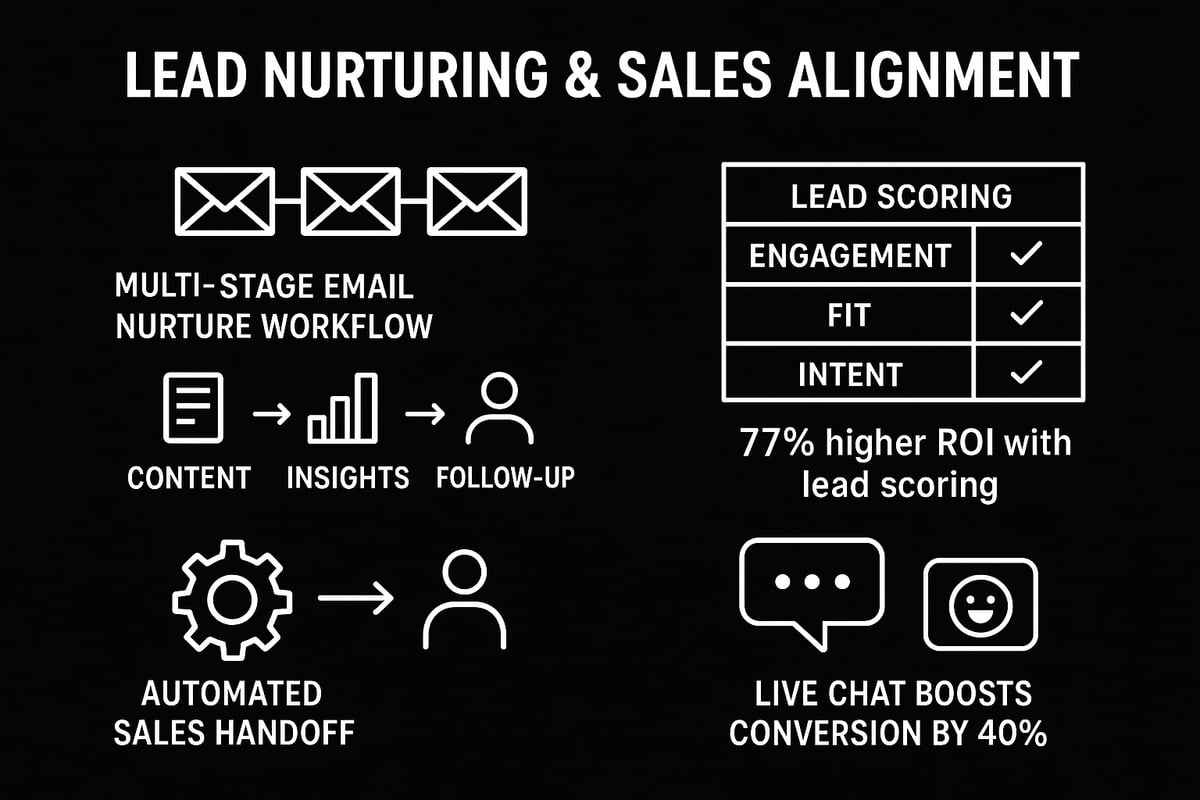
The Power of Automated Nurture Sequences
A modern lead generation how to approach begins with well-designed nurture sequences. Rather than pushing leads directly to sales, nurture workflows deliver value and build trust over time. Automated email sequences can guide prospects from initial interest to sales-ready status by offering relevant resources and insights.
A typical nurture sequence might look like this:
Asset delivery: Send a valuable resource immediately after sign-up.
Follow-up insights: Share related articles or industry data.
Case study: Provide real-world examples matching the lead’s vertical.
Soft CTA: Invite the lead to a consultation or demo.
The key is to keep communication educational and relevant, not overly promotional. For more actionable guidance, see these lead nurturing and qualification tips. Personalization, timing, and ongoing value are what separate high-converting nurture sequences from generic campaigns.
Lead Scoring and Qualification
The next stage in the lead generation how to process is lead scoring and qualification. Assigning points based on engagement, demographic fit, and intent signals helps prioritize the best opportunities. For example, a lead downloading a pricing guide and attending a webinar scores higher than someone opening a single email.
Here’s a sample lead scoring table:
Criteria | Points |
|---|---|
Industry Fit | 10 |
Job Title Match | 8 |
Webinar Attended | 7 |
Asset Download | 5 |
Multiple Site Visits | 6 |
Behavioral triggers can automatically move leads from nurture to sales-ready status. Companies using lead scoring report 77% higher lead generation ROI, making this step critical for efficiency and revenue growth.
Seamless Sales and Marketing Handoffs
Alignment between marketing and sales is a cornerstone of any effective lead generation how to system. Clear definitions for MQLs (Marketing Qualified Leads) and SQLs (Sales Qualified Leads) are vital. When a lead meets agreed criteria, the handoff must be immediate and frictionless.
Best practices for sales handoff include:
Automated notifications when a lead exhibits buying intent, like visiting key service pages.
Sharing context, such as which content the lead engaged with, to support personalized outreach.
Regular feedback loops between teams to refine qualification standards.
This alignment ensures no high-value lead is lost in the transition and that sales teams are primed to convert warm prospects.
Real-Time Engagement: Live Chat & Chatbots
Instant engagement is now a must-have in any lead generation how to playbook. Live chat and AI-powered chatbots allow businesses to qualify leads, answer questions, and book meetings in real time. This immediate interaction builds credibility and accelerates the buyer journey.
Key benefits include:
24/7 availability to capture and qualify leads outside business hours.
Automated FAQs and appointment scheduling to reduce manual workload.
Direct routing of high-intent leads to sales reps for rapid follow-up.
Live chat increases website conversion rates by up to 40%, making it a powerful tool for converting engaged visitors into opportunities.
5. Measuring, Analyzing, and Optimizing Lead Generation Performance
In 2026, mastering lead generation how to means not just launching campaigns but understanding what truly drives results. Measurement, analysis, and optimization are the pillars of a high-performing lead generation engine. By focusing on the right metrics and continuous improvement, you can ensure your strategy stays ahead of the competition.
Tracking Key Metrics for Success
To build a future-proof lead generation how to process, you must track the metrics that matter. Start with these core indicators:
Landing page conversion rate
Cost per lead (CPL)
MQL-to-SQL conversion rate
Lead-to-client conversion rate
Setting up automated dashboards makes it easy to monitor trends and spot anomalies. Regular reporting cycles help you react quickly to changes in performance. By prioritizing actionable metrics, you can pinpoint which channels and offers drive the most valuable leads.
A sample table for tracking:
Metric | Target Value | Actual Value | Trend |
|---|---|---|---|
Landing Page Conversion | 18% | 21% | ↑ |
CPL | $75 | $68 | ↓ |
MQL-to-SQL Rate | 30% | 27% | → |
Lead-to-Client Conversion | 10% | 12% | ↑ |
Analyzing Qualitative & Quantitative Feedback
A robust lead generation how to strategy relies on both data and human insight. Quantitative feedback comes from analytics platforms, showing what visitors do. Qualitative feedback comes from your sales team and customer interviews, revealing why leads convert or drop off.
Gather feedback through:
Sales team debriefs on lead quality
Post-campaign reviews
Surveys of new clients about their buying journey
Use these insights to refine your ideal client profiles, tailor messaging, and adjust offers. For example, if campaigns underperform for a persona, update your research and test new approaches. This blend of numbers and narratives gives you a competitive edge.
Continuous Improvement: A/B Testing and Experimentation
Experimentation is at the heart of any effective lead generation how to process. Regular A/B testing helps uncover what resonates with your audience. Test elements like:
Email subject lines
Call-to-action (CTA) buttons
Landing page headlines
Form field layouts
Iterative optimization based on test results leads to steady gains. Companies running frequent A/B tests see a 20% year-over-year improvement in lead conversions. Document your experiments and apply learnings across channels to maximize impact.
Adapting to Market Changes and New Technologies
The lead generation how to landscape evolves quickly. Staying ahead means embracing new technologies and adapting to changing buyer behaviors. AI-driven tools now automate ad targeting, campaign optimization, and data analysis at unprecedented speed. According to Meta's AI-driven ad automation by 2026, the future of lead generation will be shaped by advanced automation and predictive analytics.
Allocate budget for innovation and encourage your team to experiment with emerging platforms. Early adoption of new tools, such as AI-powered analytics or privacy-first data collection, can secure a first-mover advantage and help you future-proof your lead generation how to strategy.
6. Future-Proof Lead Generation: Emerging Strategies for 2026 and Beyond
Adapting your lead generation how to strategy for 2026 means embracing innovation and anticipating change. Today’s digital buyers expect more than generic outreach—they want tailored experiences, privacy assurance, and real value at every touchpoint. To succeed, you must integrate cutting-edge technologies, refine your approach, and build a lead generation engine that is both agile and resilient.
AI-Driven Personalization and Predictive Targeting
Artificial intelligence has moved from hype to reality in lead generation how to strategies. AI now powers hyper-personalized content, predicts optimal outreach timing, and selects the right channels for each lead. Predictive analytics enable marketers to spot high-converting prospects early, reducing wasted spend and improving ROI.
According to Deloitte's insights on generative AI integration, generative AI is now embedded in most marketing software, automating asset creation and campaign optimization. This shift has increased qualified pipeline volume by 50% for top-performing firms. For any lead generation how to plan, AI-driven tools are now essential for staying ahead.
Account-Based Marketing (ABM) Evolution
ABM continues to evolve as organizations target high-value accounts with precision. Instead of broad outreach, modern ABM integrates multi-channel, multi-touch campaigns that reach key decision-makers at every stage. AI agents are transforming how companies coordinate ABM, enabling real-time personalization and engagement across platforms.
Forbes on AI agents transforming enterprises in 2026 highlights how AI agents streamline enterprise operations, driving greater alignment between marketing and sales. To master lead generation how to approaches, focus on personalized, orchestrated campaigns that engage entire buying committees.
ABM Evolution Table
Aspect | Traditional ABM | 2026 ABM Approach |
|---|---|---|
Targeting | Manual account lists | Predictive AI models |
Channels | Email, phone | Multi-channel, digital-first |
Personalization | Static messaging | Dynamic, AI-driven content |
Measurement | Basic engagement | Real-time, multi-touch ROI |
Leveraging New Platforms and Data Sources
Emerging channels are reshaping the lead generation how to landscape. Voice search, conversational marketing, and niche social platforms are now key tools for reaching target audiences. Marketers are also tapping into intent data and third-party signals to identify prospects who show active buying interest.
By tracking these data sources, you can prioritize leads with greater accuracy and deliver content where your buyers spend their time. Successful teams regularly experiment with new platforms to maintain a competitive edge.
Humanizing Digital Engagement
While automation is vital, human connection remains a cornerstone of effective lead generation how to strategies. Buyers seek authenticity, transparency, and real value—traits that foster trust and long-term relationships.
Balance automation with genuine, value-driven interactions. Use social proof, client stories, and open communication to demonstrate expertise and build rapport. The brands that humanize digital engagement will stand out in a crowded market.
Preparing for the Next Wave of Privacy and Compliance
Compliance is not just a legal requirement—it is a competitive differentiator in lead generation how to planning. As privacy regulations evolve, proactive strategies are essential. Build opt-in communities, invest in first-party data, and maintain clear, transparent data policies.
Recent studies show brands with robust compliance see 30% higher customer retention rates. Prioritizing privacy builds trust and ensures long-term success as new standards emerge.
Building a Scalable, Agile Lead Generation Engine
The future belongs to organizations that can adapt quickly. Invest in technology and talent to create a culture of continuous learning and experimentation. Agile lead generation how to processes allow your team to pivot, adopt new tools, and capitalize on market shifts faster than competitors.
Firms with agile marketing processes adapt twice as fast to changing trends. Embrace regular testing, feedback loops, and rapid innovation to future-proof your lead generation efforts.
As you think about building a future-proof lead generation engine for 2026, it's clear that staying ahead means embracing smart automation, precise targeting, and a data-driven approach. If you're ready to put these proven strategies into action and want expert guidance tailored to your business, let's connect. You deserve a lead generation system that saves you time, scales with your goals, and positions you ahead of your competition. Take the next step toward sustainable growth—Book a free consultation and discover how we can help accelerate your success.