Growing Marketing Guide: Strategies for 2026 Success
Stay ahead with this growing marketing guide for 2026. Discover proven strategies, AI insights, and customer-centric tactics to drive measurable business growth.
Dec 25, 2025
The marketing world is changing rapidly, and every business must evolve to stay competitive. In 2026, success hinges on your ability to adapt to new trends and technology.
This growing marketing guide delivers practical, data-driven strategies for those who want to lead rather than follow. You will discover the latest digital tactics, AI-powered solutions, and customer-focused approaches that drive measurable growth.
Stay ahead by exploring proven frameworks, future-ready tools, and expert insights designed for the challenges of tomorrow. Ready to secure your place at the forefront of marketing? Let’s dive in.
Understanding the 2026 Marketing Landscape
The growing marketing landscape in 2026 is transforming at an unprecedented pace. Brands must anticipate, adapt, and innovate to thrive. Understanding the core shifts driving this change is the first step toward building a resilient and forward-thinking strategy.
Key Shifts in Consumer Behavior
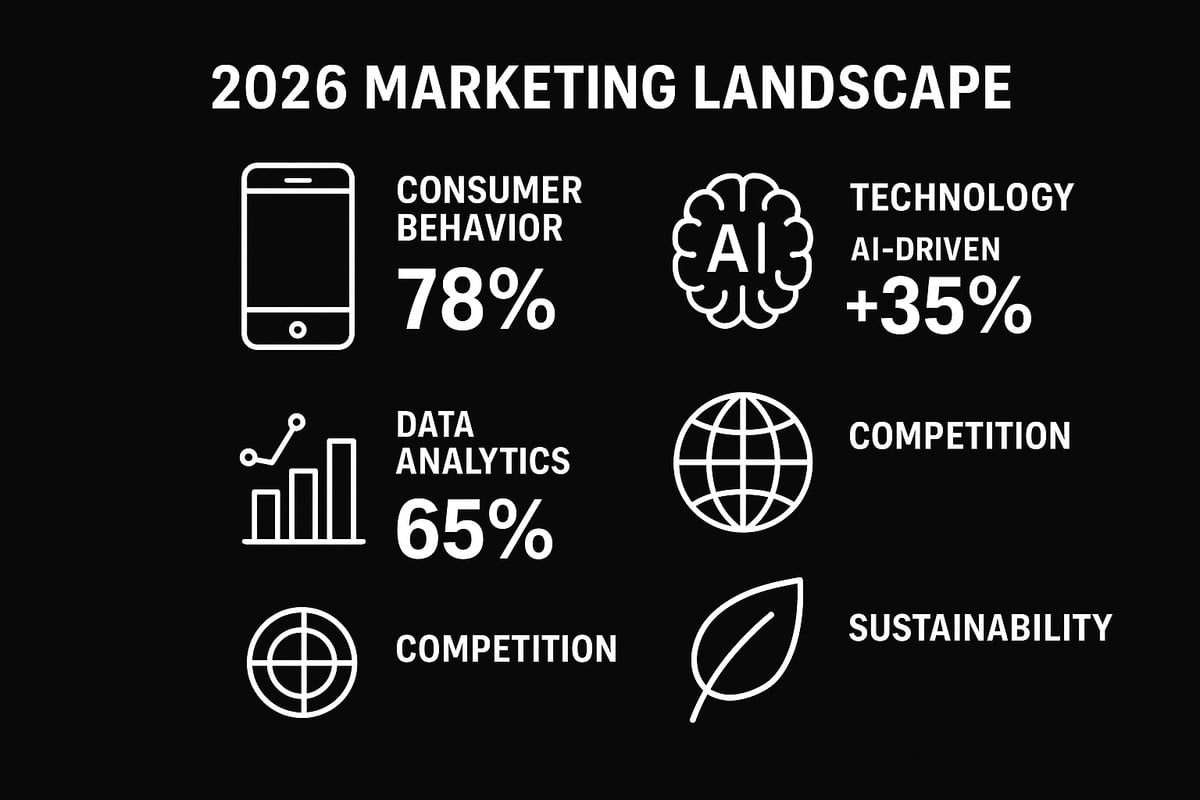
Consumers are increasingly digital-first, favoring mobile commerce and seamless online experiences. The expectation for hyper-personalized interactions is now standard, with 78% of people seeking tailored content (Salesforce, 2024).
Privacy and transparency also top the list of demands. Shoppers want to know how their data is used and expect clear communication from brands. The growing marketing trend is a move toward putting the customer in control.
For a deeper dive into the latest consumer trends shaping the future, explore 10 Marketing Trends to Watch Out for in 2026. These insights reveal why brands must rethink their approach to stay relevant in this dynamic environment.
Technology Advancements Shaping Marketing
Technology is at the core of growing marketing in 2026. Artificial intelligence and machine learning are no longer optional—they are essential for campaign optimization and targeting. Brands deploy AI to analyze data, predict trends, and personalize messaging at scale.
Augmented reality (AR) and virtual reality (VR) are now mainstream, creating immersive experiences that bridge digital and physical worlds. Voice and conversational commerce are also gaining traction, allowing customers to interact with brands in new and engaging ways.
Staying updated on these tools is crucial as they redefine how companies connect with their audiences.
The Role of Data and Analytics
The shift to a cookieless world is driving a renewed focus on first-party data. Growing marketing strategies now prioritize collecting data directly from consumers via owned platforms, ensuring accuracy and compliance.
Real-time analytics empower marketers to adjust campaigns on the fly, maximizing results. However, data privacy regulations like GDPR and CCPA require strict adherence. Ethical data management is not just a legal necessity—it is a trust builder.
A strong analytics framework enables brands to measure impact, refine tactics, and fuel sustainable growth.
Competitive Pressures and Market Saturation
Competition is more intense than ever, with global and niche brands vying for attention. To succeed, growing marketing efforts must focus on authentic differentiation.
Brand storytelling, unique value propositions, and clearly communicated values set leaders apart. Consumers are quick to switch loyalties if a brand fails to resonate or deliver on its promises.
In this saturated space, only those who innovate and stay agile will rise above the noise.
Sustainability and Social Responsibility
Sustainability is no longer a buzzword—it is a core expectation. Modern consumers, especially Gen Z, prefer brands with strong environmental, social, and governance (ESG) credentials. In fact, 65% of Gen Z favor eco-friendly brands (Deloitte, 2025).
Growing marketing for 2026 means embedding social responsibility into every aspect of the business. Transparent reporting, ethical sourcing, and community engagement are now essential.
Brands that commit to positive change not only earn consumer trust but also secure long-term growth.
Step 1: Building a Data-Driven Marketing Foundation
Laying a robust data-driven foundation is essential for any growing marketing strategy in 2026. Brands that prioritize quality data, actionable insights, and compliance will outpace competitors. This step-by-step approach ensures your marketing engine is primed for long-term growth.
Collecting and Integrating Quality Data
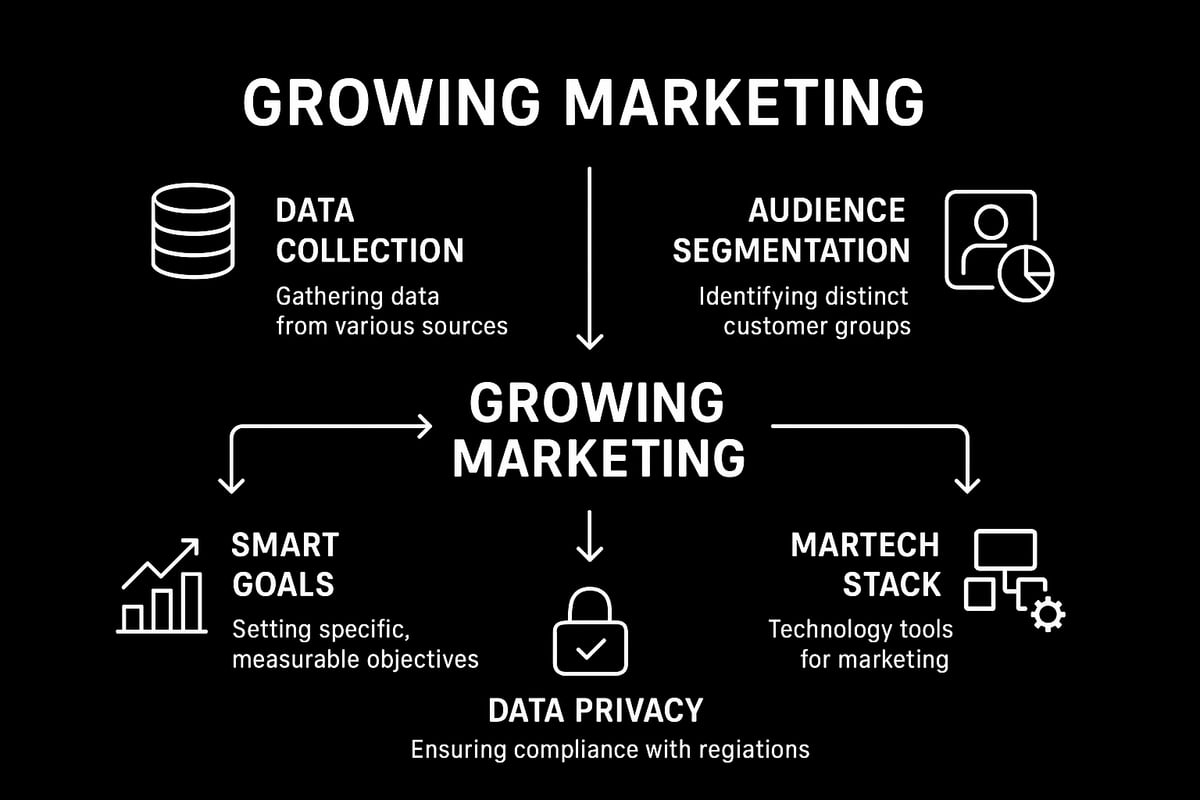
To drive growing marketing success, brands must collect and unify high-quality data from every owned channel. Start by leveraging website analytics, email sign-ups, and social engagement to build a solid first-party dataset. Integrate these sources into a central CRM or data lake for unified insights.
Regular data hygiene is crucial. Schedule audits to remove duplicates and outdated information. This ensures your analytics remain accurate and actionable for campaign planning. For a more comprehensive approach to foundational strategies, explore data-driven marketing strategies that fuel sustainable growth.
Audience Segmentation and Persona Development
Precise segmentation is the backbone of growing marketing in 2026. Use behavioral and psychographic data to divide your audience into meaningful groups. Analyze purchase history, engagement patterns, and preferences to spot emerging trends.
Build dynamic personas that evolve as your audience changes. Update these personas with fresh data from surveys, feedback, and real-time analytics. This approach helps you tailor campaigns and messages that resonate, driving higher engagement and conversion rates.
Setting SMART Goals and KPIs
A growing marketing strategy thrives on clear objectives. Set SMART goals: Specific, Measurable, Achievable, Relevant, and Time-bound. For example, commit to increasing marketing qualified leads by 30 percent within six months.
Identify key performance indicators (KPIs) for every campaign. Track metrics like conversion rates, website traffic, and customer acquisition costs. Regularly review these KPIs to adjust your strategy and ensure you stay on track for measurable growth.
Investing in the Right MarTech Stack
Choosing the right marketing technology stack is vital for growing marketing. Evaluate tools for automation, analytics, and personalization. Look for platforms that seamlessly integrate, allowing data to flow across your marketing, sales, and service teams.
Prioritize solutions that offer scalability and flexibility as your business grows. Invest in training your team to maximize tool adoption and ROI. Regularly review your MarTech stack to ensure it aligns with evolving marketing goals and industry standards.
Ensuring Data Privacy and Compliance
Trust is non-negotiable in growing marketing. Adhere to all relevant data privacy regulations, including GDPR, CCPA, and emerging global standards. Create transparent data collection policies and communicate them clearly to your audience.
Implement robust consent management and security protocols to protect customer information. Regular compliance audits can prevent costly breaches and build long-term loyalty with your audience. Ethical data practices are essential for sustaining growth in an ever-changing landscape.
Step 2: Integrating AI and Automation for Scalable Growth
Artificial intelligence and automation are rapidly transforming the growing marketing landscape by enabling organizations to scale more efficiently. To remain competitive in 2026, brands must harness these technologies to optimize processes, personalize campaigns, and drive measurable growth.
AI-Powered Campaign Optimization
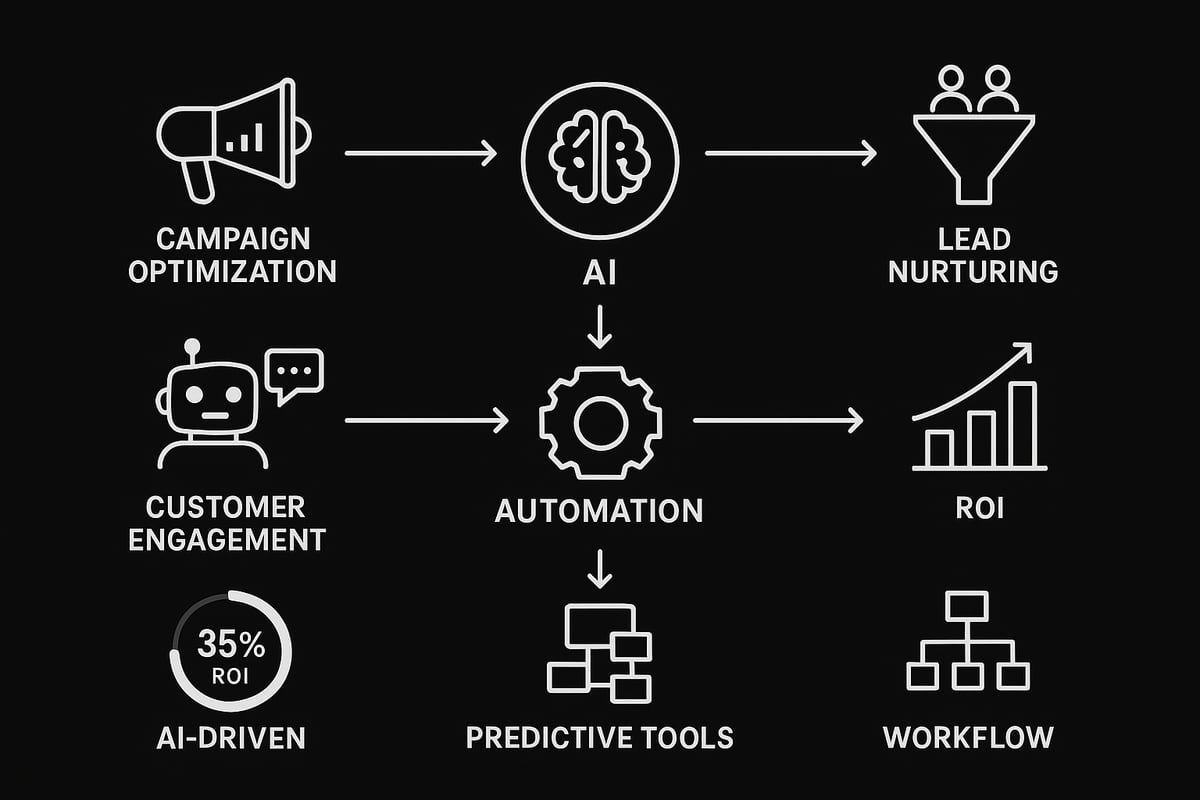
AI is revolutionizing campaign performance in growing marketing by delivering real-time, data-driven decisions. Machine learning models analyze vast datasets to identify high-performing audiences and allocate budgets dynamically. Predictive analytics can suggest optimal content types and channels for each segment, ensuring resources are used efficiently.
According to HubSpot, AI-driven campaigns can increase ROI by up to 35 percent. The benefits of AI in optimization include:
Benefit | Description |
|---|---|
Real-time adjustments | Campaigns adapt instantly to audience behavior |
Enhanced targeting | AI identifies micro-segments for tailored outreach |
Budget efficiency | Funds shift automatically to top-performing tactics |
For a deeper exploration of this topic, see AI in modern marketing.
Intelligent Lead Generation and Nurturing
AI-powered solutions streamline lead generation for growing marketing teams. Automated lead scoring systems evaluate prospects based on engagement, demographics, and behavioral data. This ensures sales teams focus their efforts on high-potential leads.
Personalized nurture sequences, triggered by user actions, guide prospects down the funnel. AI algorithms continuously refine messaging, send times, and offers for each segment. This level of automation not only increases conversion rates but also allows teams to scale efforts without added manual work.
Chatbots and Conversational Marketing
Chatbots are now an essential part of growing marketing strategies, providing 24 7 customer engagement across digital touchpoints. AI-powered bots handle common queries, qualify leads, and even recommend products based on customer data.
Best practices include designing chatbots to mimic human conversation and ensuring seamless handoff to human agents when needed. Conversational marketing builds trust, shortens sales cycles, and collects valuable insights for further personalization.
Workflow Automation for Efficiency
Workflow automation eliminates repetitive tasks in growing marketing operations, freeing teams to focus on strategy and creativity. Automated tools streamline email campaigns, schedule social posts, and manage content approvals.
When integrated with CRM and sales platforms, automation ensures data flows seamlessly throughout the organization. Closed-loop reporting becomes possible, enabling precise tracking from campaign launch to revenue realization.
Key areas to automate:
Email segmentation and scheduling
Social media publishing
Lead assignment and follow-up
Content approval workflows
Measuring and Refining AI Initiatives
To maximize the impact of AI and automation in growing marketing, continuous measurement is essential. Key performance indicators include conversion rates, customer lifetime value, and cost per acquisition.
A B testing helps refine AI-driven tactics, while real-time dashboards provide actionable insights. Iterative improvements, informed by data, ensure AI initiatives remain aligned with business goals and market changes.
By embedding AI and automation across every stage, organizations can future-proof their growing marketing strategies, drive scalable growth, and stay ahead of competitors.
Step 3: Crafting Omnichannel Marketing Strategies
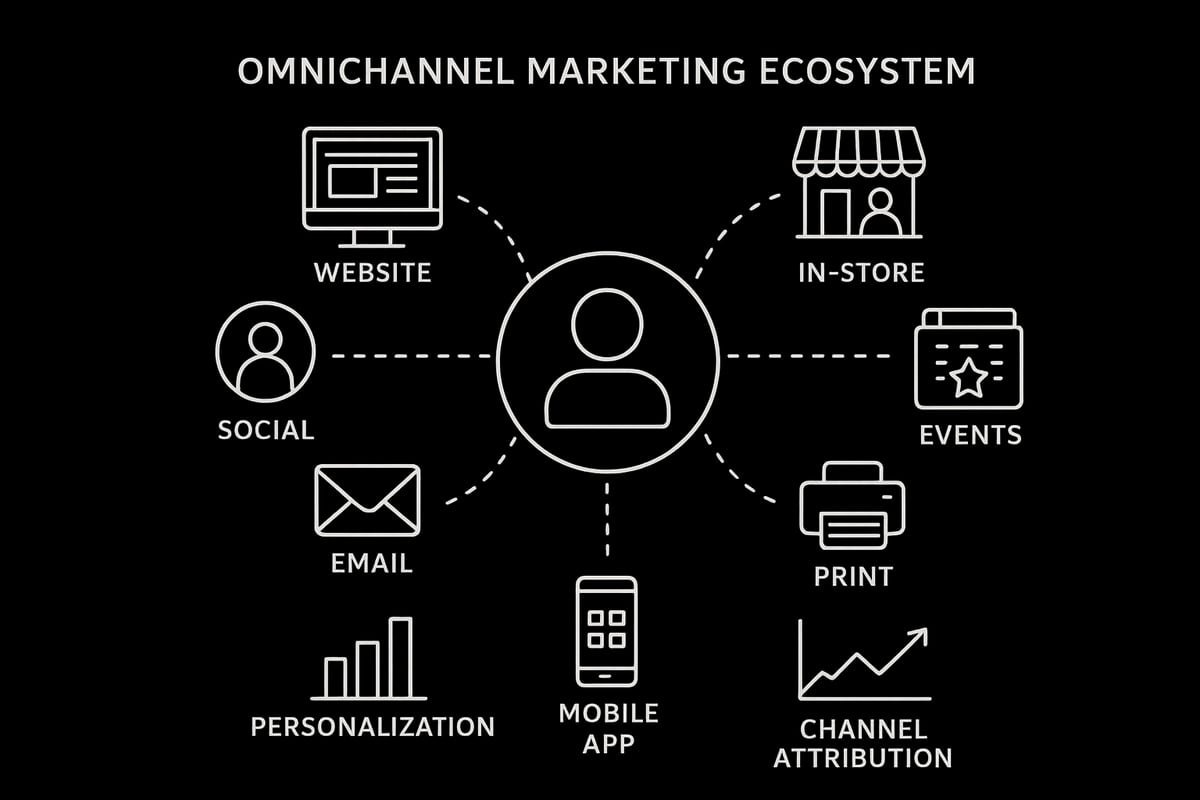
In 2026, growing marketing success depends on your ability to deliver seamless, integrated experiences across every customer touchpoint. Omnichannel strategies ensure your brand stays visible, relevant, and top-of-mind wherever your audience chooses to engage.
Unifying Online and Offline Experiences
Bridging the gap between physical and digital channels is at the core of growing marketing in a connected world. Customers expect to move fluidly from browsing online to purchasing in-store, or vice versa, without barriers.
Tactics like QR codes on packaging or receipts that link to personalized offers, and mobile apps that recognize in-store activity, create a cohesive journey. For example, a customer might scan a product in-store for instant reviews or loyalty rewards.
Brands that succeed in growing marketing unify their data to recognize and reward customers regardless of channel. For more on how to build an integrated presence, see these omnichannel marketing best practices.
Content Marketing Across Channels
A robust growing marketing strategy tailors content to each channel while maintaining a unified voice. In 2026, audiences crave video, interactive experiences, and short-form content that fits their preferred platforms.
Web: Long-form guides and interactive tools
Social: Snackable videos, live streams, polls
Email: Personalized offers and dynamic content
Emerging platforms: AR filters, VR product demos
Successful marketers repurpose core messages, adjusting format and tone for each space. This approach maximizes reach and relevance, driving consistent engagement and brand recall.
Social Media and Influencer Evolution
Social platforms remain central to growing marketing, but the landscape is shifting. Micro-influencers, with deeply engaged niche audiences, are now favored for their authenticity and targeted reach.
Social commerce features such as shoppable posts make it easier than ever to drive sales directly from feeds. Brands are collaborating with influencers to create co-branded content, tapping into new communities.
A growing marketing approach leverages analytics to identify which influencers and platforms deliver the best ROI, adapting campaigns in real time to audience feedback and trends.
Email and Messaging Personalization
Personalized communication is a cornerstone of growing marketing. Automated, behavior-triggered campaigns use real-time data to deliver relevant messages at just the right moment.
Welcome sequences for new subscribers
Cart abandonment reminders
Birthday or anniversary offers
SMS alerts for flash sales
Messaging apps and SMS are critical for instant engagement. By integrating these tools, marketers ensure their brand is always within reach, building stronger relationships and driving conversions.
Consistent Brand Storytelling
Consistency is essential to growing marketing, ensuring every channel reflects your brand’s values and message. Unified visuals, tone, and storytelling help customers recognize and trust your brand, wherever they encounter it.
According to Lucidpress, brands with consistent messaging see 23 percent higher revenue. This includes aligning campaign themes, color palettes, and value propositions across all media.
Develop brand guidelines and train teams to uphold them, empowering everyone to contribute to a recognizable, cohesive presence.
Attribution and Channel Performance Measurement
Measuring the impact of omnichannel efforts is vital for growing marketing. Multi-touch attribution models reveal which channels and touchpoints drive conversions, enabling smarter investment decisions.
Tools like cross-channel analytics dashboards allow you to track performance in real time. Compare cost per acquisition, customer lifetime value, and engagement rates across online and offline initiatives.
A data-driven approach to attribution ensures resources are allocated efficiently, supporting continuous optimization and sustainable growth.
Step 4: Putting the Customer at the Center
In 2026, successful growing marketing strategies are fundamentally customer-centric. Brands that prioritize the customer journey, deliver hyper-personalized experiences, and build authentic communities will stand out. By placing the customer at the core, organizations can drive loyalty and long-term growth. For additional insights, explore customer-centric marketing approaches and see how leading brands are transforming their strategies.
Mapping the Customer Journey
Understanding the customer journey is essential for growing marketing success. Map out every touchpoint, from initial awareness to post-purchase advocacy. Use journey mapping tools to visualize pain points, opportunities, and moments of delight.
Identify where customers interact with your brand, both online and offline. This enables targeted improvements and ensures consistency. Aligning your team around a unified journey map fosters a shared vision, driving customer-focused growth and differentiating your brand in a crowded market.
Personalization at Scale
Personalization is no longer optional in growing marketing. Leverage real-time behavioral data and AI to deliver dynamic content and tailored offers across all channels.
Segment audiences based on preferences and actions, then use smart automation to adapt messaging in the moment. AI-driven product recommendations and customized experiences boost engagement rates and satisfaction. This scalable approach ensures every customer interaction feels relevant and valued, fueling sustainable growth.
Building Community and Advocacy
A thriving community is a cornerstone of growing marketing. Encourage user-generated content, spark conversations, and create spaces where customers can connect and share experiences.
Loyalty programs and referral incentives transform satisfied buyers into passionate advocates. Foster a sense of belonging through exclusive events or online groups. When customers feel heard and valued, they become your most powerful marketing asset, amplifying your message and attracting new audiences.
Delivering Seamless Support and Service
Exceptional support is non-negotiable for growing marketing in 2026. Offer omnichannel assistance via chat, social, email, and phone, ensuring help is always accessible.
Proactive outreach, such as anticipating needs or resolving issues before they escalate, demonstrates true customer commitment. Integrate support data with your CRM to personalize every interaction. Consistent, seamless service builds trust and strengthens long-term relationships.
Measuring Customer Satisfaction and Loyalty
Quantifying satisfaction is vital for growing marketing strategies. Track Net Promoter Score (NPS), Customer Satisfaction (CSAT), and retention metrics to gauge performance.
Use feedback loops to identify improvement areas and celebrate successes. Brands with high NPS consistently outpace competitors, with research showing they grow twice as fast. Regularly measuring and acting on these insights ensures your marketing remains responsive, customer-focused, and primed for future growth.
Step 5: Measuring, Optimizing, and Scaling for the Future
Staying ahead in growing marketing requires not just action, but ongoing measurement, optimization, and scaling. As you move into 2026, embedding a culture of adaptability and analysis will ensure your strategies remain effective and resilient. Let us explore how to future-proof your marketing with proven, data-driven steps.
Creating a Culture of Continuous Improvement
The core of any growing marketing initiative is a mindset of constant evolution. Encourage experimentation within your team. Set up regular sessions to review campaign performance and brainstorm new ideas.
Use agile marketing practices to quickly test, learn, and adapt. Rapid prototyping and short feedback loops help you spot what works and pivot when needed. This approach ensures your strategies never stagnate and always align with shifting market demands.
Promote open communication and reward teams for innovative thinking. By embedding continuous improvement into your culture, growing marketing becomes a natural, ongoing process.
Advanced Analytics and Predictive Insights
Leverage advanced analytics to transform data into actionable insights. Predictive modeling allows you to forecast campaign outcomes, optimize spend, and spot emerging opportunities.
Invest in real-time dashboards that provide instant visibility into performance metrics. These tools make it easier to adjust tactics quickly and maximize ROI. AI and machine learning now play a significant role in analytics, driving smarter decisions for growing marketing.
Recent AI in Marketing Statistics 2025 reveal that brands using AI for predictive insights see measurable gains in efficiency and growth. Harnessing these technologies is essential for staying competitive.
Scaling Successful Tactics
Once you identify what works, scaling becomes the next focus of growing marketing. Replicate high-performing campaigns across new regions, demographics, or channels without losing personalization.
Utilize automation to streamline repetitive tasks and maintain consistency at scale. Integrate your automation tools with CRM systems to ensure seamless data flow. This approach lets you expand reach while keeping messaging relevant.
Monitor performance closely as you scale, making adjustments based on data. This ensures that your growing marketing efforts remain effective in new markets or segments.
Budget Allocation and Resource Planning
Effective growing marketing demands dynamic budgeting. Allocate resources based on real-time channel performance rather than relying solely on historic trends.
Invest in talent development and ongoing training to keep your team’s skills sharp. Use technology to automate administrative tasks, freeing up time for strategic work. Regularly review resource allocation and shift budgets to support the most impactful initiatives.
A practical approach to budgeting and planning ensures your growing marketing strategy remains sustainable and responsive to market changes.
Future-Proofing Your Marketing Strategy
Future-proofing is about building flexibility into your growing marketing plan. Conduct regular market research to stay informed about evolving consumer expectations and technology advancements.
Stay alert to major trends, such as AI, personalization, and privacy, which will shape marketing in 2026. For expert insights on what's ahead, review the 6 Marketing Trends to Watch in 2026, which highlights critical shifts marketers must prepare for.
Adopt adaptable frameworks that allow your team to pivot quickly. This ensures your growing marketing approach is resilient and ready for whatever the future holds.
Case Examples and Success Stories
Learning from real-world examples can accelerate your growing marketing success. Highlight brands that have achieved growth through data-driven decision-making, AI adoption, and customer focus.
Share lessons from failures and pivots, as these stories often provide the most valuable insights. Encourage your team to study both wins and setbacks to refine future strategies.
By analyzing case studies, you can identify repeatable patterns that drive sustained growth and innovation in your growing marketing efforts.
As we’ve explored the strategies needed to thrive in 2026—from leveraging AI and automation to building customer-centric, data-driven campaigns—it’s clear that staying ahead requires more than just keeping up with trends. You deserve a marketing approach tailored to your unique goals, resources, and industry challenges. If you’re ready to put these insights into action and want guidance on scaling your business efficiently, let’s connect.
Book a free consultation
and discover how you can unlock smarter growth, save valuable time, and gain a true competitive edge.