7 Essential Sales Leads Companies to Watch in 2026
Discover the top 7 sales leads companies redefining lead generation in 2026. Compare features, pricing, and strategies to drive growth and outperform competitors.
Dec 27, 2025
The world of sales lead generation is evolving at lightning speed, reshaping how businesses identify and connect with potential customers. In 2026, partnering with the right sales leads companies will determine whether organizations achieve breakthrough growth or fall behind competitors. This article highlights seven standout sales leads companies that are pushing the boundaries with cutting-edge technology, innovative strategies, and measurable results. You will discover what makes each company unique, from pricing and features to target audiences and industry impact. Get ready to explore next-generation solutions that can drive your revenue forward and empower you to make informed choices in a crowded market.
The Evolving Landscape of Sales Leads Companies in 2026
The world of sales leads companies is transforming rapidly as technology, regulations, and buyer preferences reshape the industry. In 2026, success depends on adapting to these shifts. Companies that understand changing buyer behaviors, leverage AI and automation, prioritize data privacy, and invest in seamless integrations are setting new standards. Let’s explore the key trends defining this evolution.
Shifting Buyer Behaviors and Sales Strategies
Modern buyers are more informed than ever, conducting extensive research before engaging with sales teams. The rise of self-service options and digital-first buyer journeys means that traditional outreach methods no longer suffice for sales leads companies. Leading organizations are embracing content-driven strategies, interactive demos, and real-time chat to meet prospects where they are.
Successful sales leads companies now empower buyers with information and personalized experiences. For example, B2B firms that integrate educational resources into their websites report higher engagement and conversion rates. This shift requires agility and a deep understanding of buyer intent to stay ahead.
The Role of AI and Automation in Lead Generation
AI and automation are revolutionizing how sales leads companies identify, score, and nurture prospects. Tools powered by predictive analytics and machine learning streamline lead qualification, enabling faster and more accurate targeting. Automated outreach sequences reduce manual effort, freeing teams to focus on high-value interactions.
Recent data reveals that AI-driven lead scoring improves efficiency by 40%, making it a game changer for sales leads companies. Case studies highlight firms using automation to increase conversion rates and achieve better ROI. In 2026, leveraging these technologies is no longer optional but essential for staying competitive.
Data Privacy, Compliance, and Ethical Lead Sourcing
With evolving regulations like GDPR and CCPA, data privacy is a top concern for sales leads companies. Organizations must ensure ethical lead sourcing and transparent data practices to maintain trust and avoid penalties. Compliance-driven innovation is on the rise, with companies investing in consent management and secure data handling.
Sales leads companies that prioritize privacy set themselves apart in a crowded market. For instance, firms offering real-time compliance updates and clear opt-in processes attract clients who value responsible data stewardship. As privacy laws tighten, ethical sourcing becomes a key differentiator.
Integrations and Omnichannel Engagement
Seamless integration is now a must-have for sales leads companies. Businesses demand tools that connect effortlessly with CRM systems, email platforms, social channels, and messaging apps. This omnichannel approach enables teams to reach leads across multiple touchpoints, increasing response rates and engagement.
Companies excelling in integration offer unified dashboards and automated syncing, simplifying workflows. For example, sales leads companies integrating directly with Salesforce or HubSpot empower users to manage campaigns from a single platform. Omnichannel engagement drives better outcomes by ensuring no opportunity is missed.
7 Essential Sales Leads Companies to Watch in 2026
The landscape of sales leads companies is more competitive and innovative than ever in 2026. Organizations face a dizzying array of choices, but a handful of standout players are setting the standard for data accuracy, automation, and results-driven solutions.
Below, we profile seven essential sales leads companies that are redefining how businesses find, engage, and convert prospects. Each company brings unique strengths, features, and pricing models to the table, ensuring there is a fit for every business size and industry. If you're seeking a deeper dive into strategies for effective lead generation, the Lead generation for companies guide offers additional insights tailored for organizations of all kinds.
1. Apollo.io
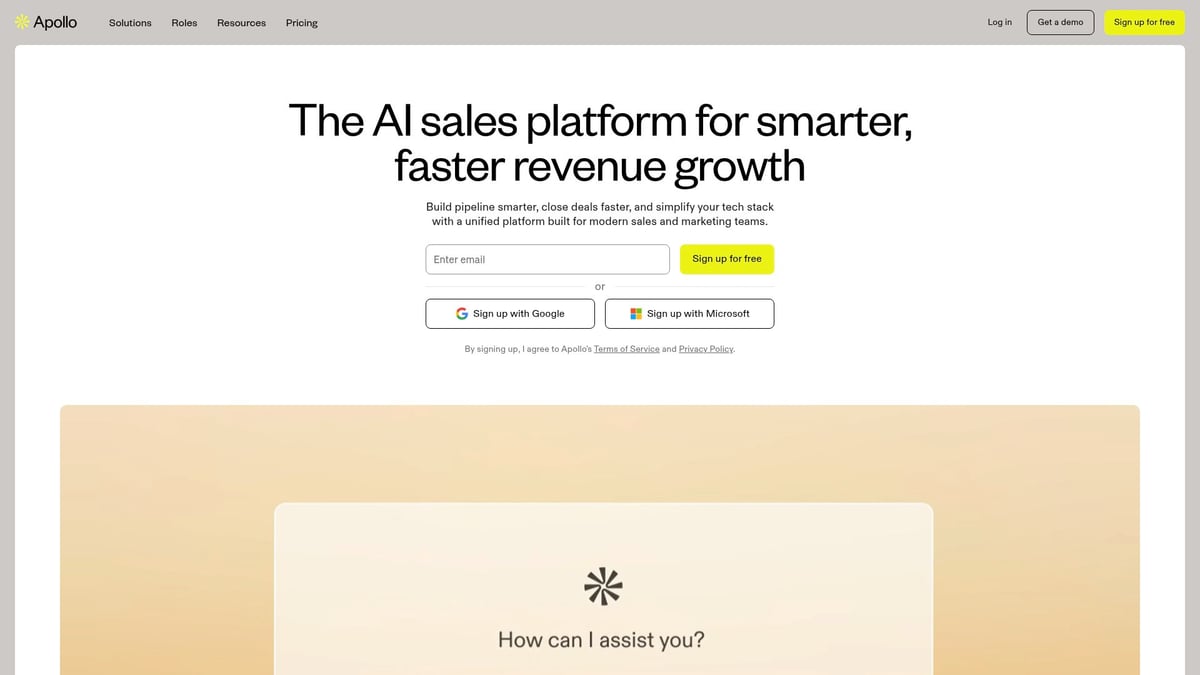
Apollo.io continues to set the pace among sales leads companies with its all-in-one approach to prospecting and outreach. The platform offers a free plan with entry-level features, while paid options start at $49 per user per month, making it accessible for teams of all sizes.
Core Features:
Extensive B2B contact database
AI-powered lead scoring
Automated email sequences
Seamless CRM integrations
Key Benefits: Apollo.io streamlines the workflows of sales leads companies by providing actionable insights and supporting multi-channel campaigns. Its automation tools reduce manual tasks, helping sales teams connect with more qualified prospects in less time.
Target Audience:
Sales teams, startups, agencies, and enterprises looking for scalable lead generation.
Pros:
Robust data accuracy
User-friendly interface
Strong automation features
Cons:
Limited customization on lower-tier plans
Occasional data gaps
Example:
Many companies have experienced up to a 30 percent increase in qualified meetings after adopting Apollo.io, demonstrating the tangible impact on pipeline growth.
Unique Selling Point:
Apollo.io stands out for integrating data, engagement, and analytics in a single, intuitive platform, setting the benchmark for modern sales leads companies.
2. UpLead
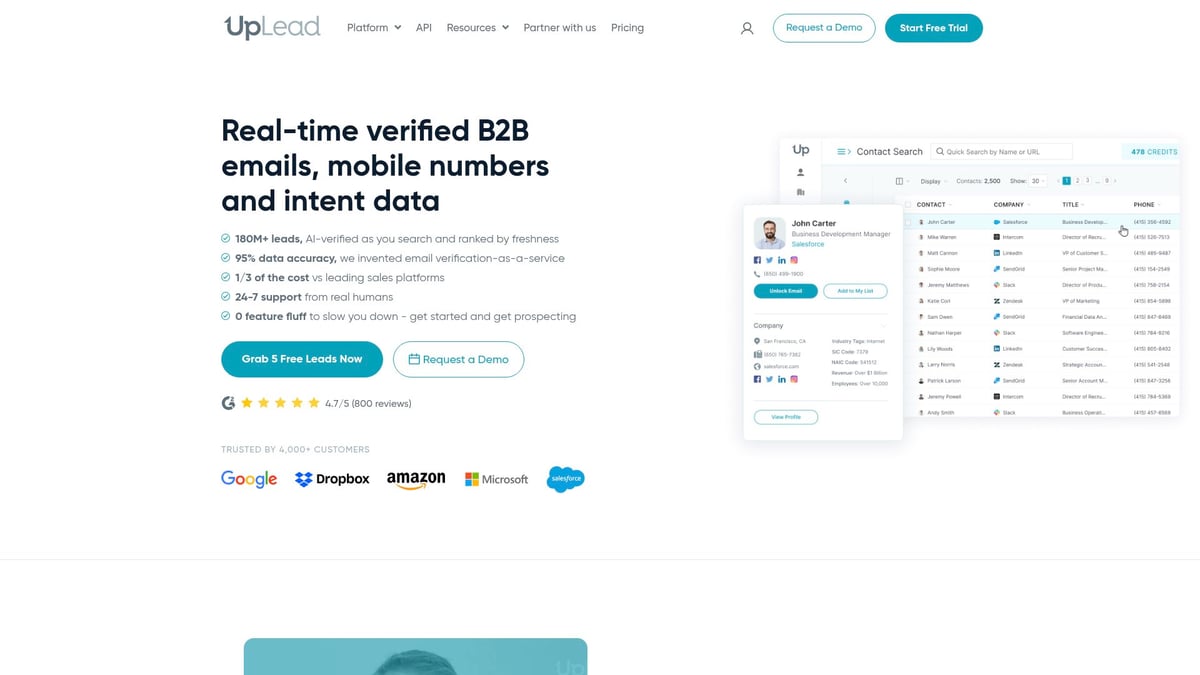
UpLead has earned its position among the top sales leads companies by guaranteeing data accuracy and offering flexible pricing. Plans start at $99 per month for 170 credits, with custom options available for enterprises.
Core Features:
Real-time verified B2B contacts
Advanced filtering for precision targeting
CRM integrations
Intent data to identify buying signals
Key Benefits:
UpLead’s 95 percent-plus data accuracy ensures users never waste time on outdated or incorrect leads. The transparent credit system helps sales leads companies manage costs and maximize ROI.
Target Audience:
B2B sales, marketing teams, recruiters, and agencies.
Pros:
Pay-as-you-go flexibility
Transparent credit usage
Responsive customer support
Cons:
Limited international coverage
Credits may be consumed quickly by active teams
Example:
Users report significant reductions in email bounce rates, leading to more effective campaigns and improved ROI.
Unique Selling Point:
UpLead’s 100 percent data accuracy guarantee, with credits returned for any inaccuracies, sets it apart from other sales leads companies.
3. Cognism
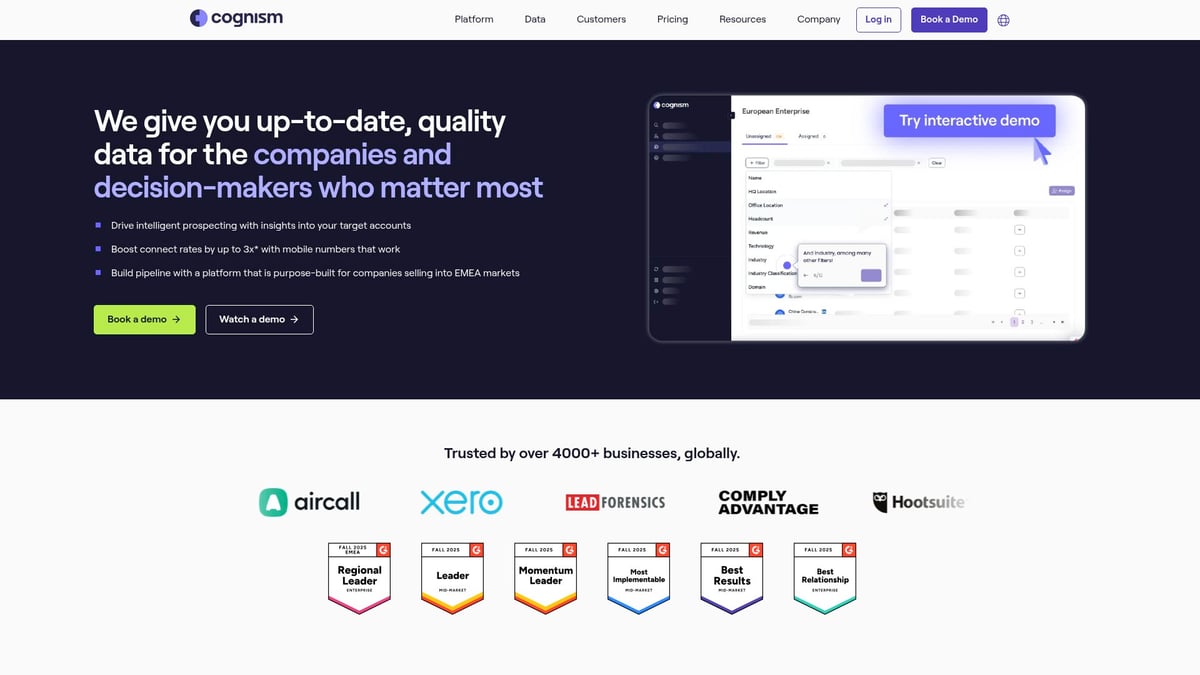
Cognism is a leader among compliance-driven sales leads companies, offering custom pricing tailored to company size and needs. Its GDPR-compliant global database is a favorite for businesses expanding internationally.
Core Features:
GDPR-compliant, global B2B database
AI-powered intent data
Direct dial numbers
SalesOS platform for workflow integration
Key Benefits:
Cognism provides access to high-quality, compliant data, making it invaluable for organizations operating in Europe and beyond. The platform’s intent-based targeting helps sales leads companies focus on prospects most likely to convert.
Target Audience:
Enterprise sales teams, compliance-focused organizations, and global B2B companies.
Pros:
Leading compliance and privacy standards
High-quality direct dials
Advanced intent signals for targeting
Cons:
Higher cost than many competitors
Steeper learning curve for new users
Example:
Enterprises expanding into EMEA markets have achieved rapid growth by leveraging Cognism’s comprehensive database.
Unique Selling Point:
Cognism’s commitment to compliance and data quality makes it a top choice for international sales leads companies.
4. Leadfeeder
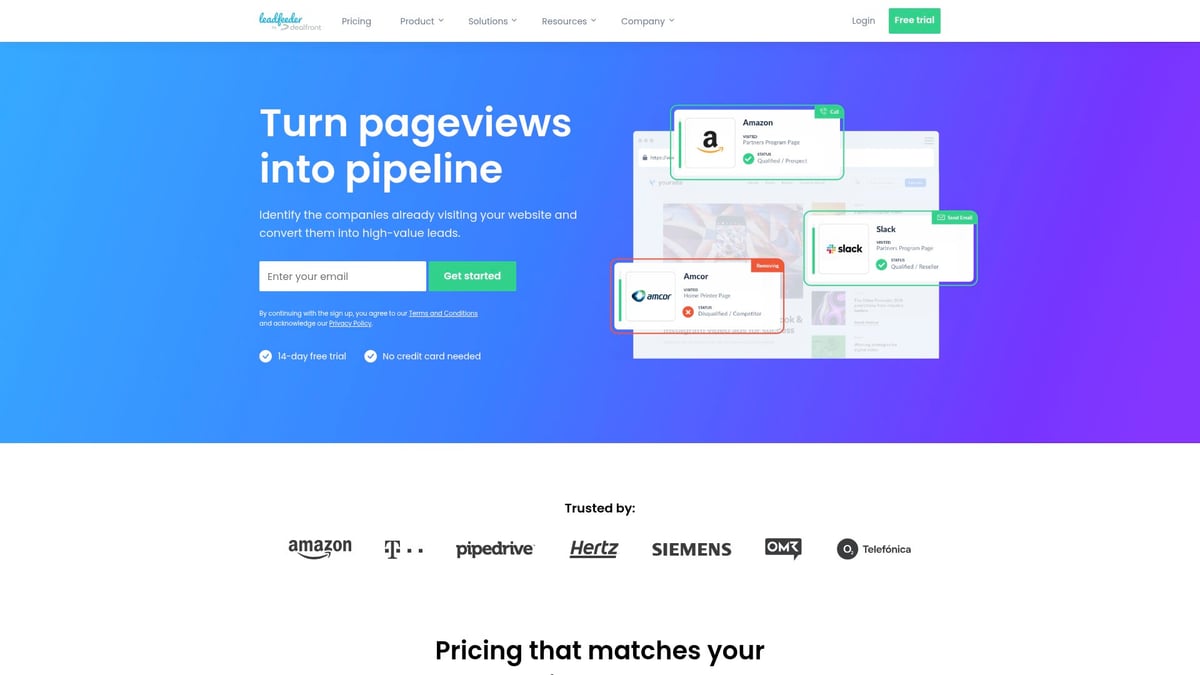
Leadfeeder transforms anonymous website traffic into actionable leads, a capability that puts it at the forefront of innovative sales leads companies. The platform offers a free Lite plan, with Premium starting at $139 per month.
Core Features:
Website visitor tracking
Company identification
CRM and marketing automation integrations
Key Benefits:
Leadfeeder enables sales leads companies to uncover hidden sales opportunities by identifying companies visiting their websites in real time. Integration with Google Analytics and major CRMs ensures seamless workflows.
Target Audience:
B2B marketers, SaaS providers, agencies, and SMBs.
Pros:
Simple setup and onboarding
Actionable, real-time insights
Robust integration options
Cons:
Only captures leads from existing site traffic
Effectiveness scales with website visitor volume
Example:
Agencies use Leadfeeder to nurture high-intent website visitors, converting interest into qualified leads.
Unique Selling Point:
Leadfeeder’s ability to reveal hidden prospects from website traffic distinguishes it from other sales leads companies.
5. SalesIntel
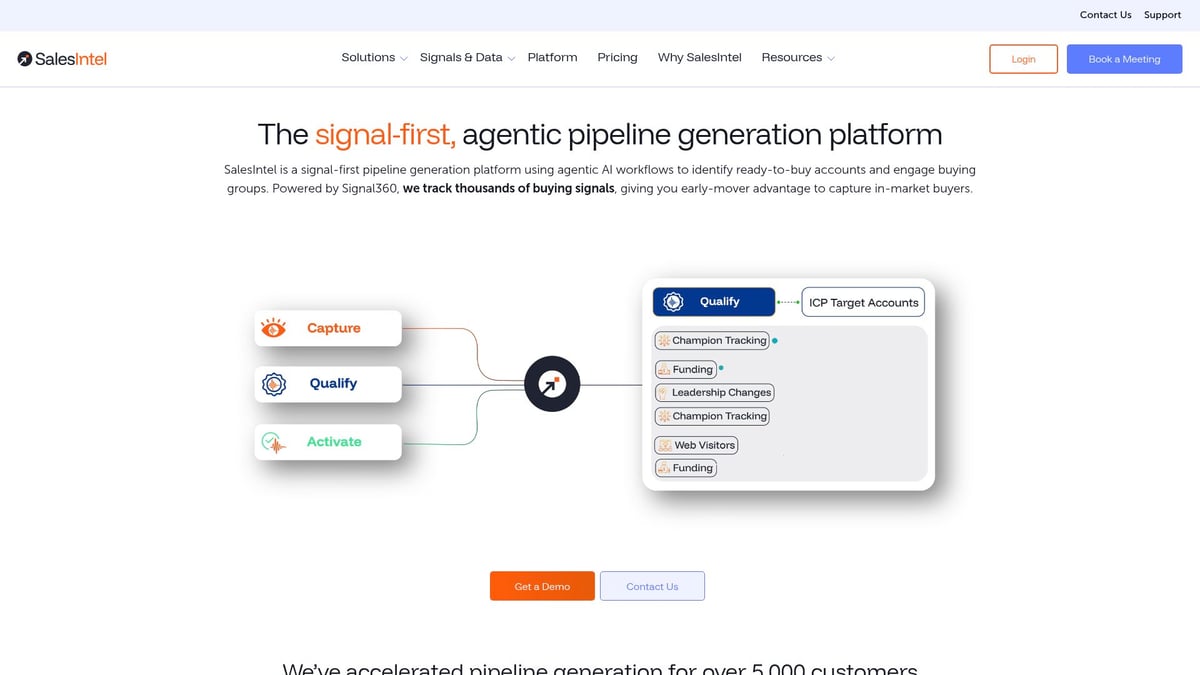
SalesIntel is recognized among sales leads companies for its rigorous human-verified data and deep enrichment capabilities. Pricing is custom, with a demo required for full details.
Core Features:
Human-verified B2B data
Technographics and intent data
Enrichment API for CRM integration
Direct dial numbers
Key Benefits:
SalesIntel’s combination of human and AI verification delivers industry-leading data accuracy. This empowers sales leads companies to enrich their CRM systems and reduce time spent on research.
Target Audience:
Enterprise sales, marketing operations, and B2B SaaS companies.
Pros:
Exceptional data accuracy
Detailed technographic insights
Comprehensive enrichment tools
Cons:
Pricing transparency could be improved
May be more than small teams require
Example:
Sales teams have halved their research time by using SalesIntel’s verified data, boosting productivity and conversion rates.
Unique Selling Point:
The blend of human and AI verification ensures data quality that few other sales leads companies can match.
6. Lusha
Lusha offers a streamlined solution for fast, on-the-go lead discovery, making it a favorite among agile sales leads companies. The free plan provides limited credits, with paid plans starting at $29 per month.
Core Features:
Comprehensive B2B contact database
Chrome extension for browser-based prospecting
Bulk enrichment capabilities
CRM integrations
Key Benefits:
Lusha simplifies the workflow for sales leads companies by providing instant access to direct dials and emails. Its browser extension is particularly popular for its speed and ease of use.
Target Audience:
Sales reps, recruiters, SMBs, and agencies.
Pros:
Intuitive, easy-to-use interface
Affordable entry point
Powerful browser extension
Cons:
Limited free credits
Data coverage varies by region
Example:
SMBs have accelerated outbound prospecting efforts using Lusha’s Chrome extension, increasing connection rates.
Unique Selling Point:
Lusha’s focus on speed and simplicity appeals to sales leads companies that value efficiency and mobility.
7. ZoomInfo
ZoomInfo remains a dominant force among enterprise-focused sales leads companies, offering custom pricing based on team size and requirements.
Core Features:
Extensive B2B database
Advanced search and filtering
Intent data and workflow automation
Wide range of integrations
Key Benefits:
ZoomInfo delivers unmatched data coverage and AI-driven insights, supporting sophisticated sales and marketing strategies. Its end-to-end platform is designed for scalability.
Target Audience:
Enterprise sales, marketing, recruiting, and operations teams.
Pros:
Industry-leading data breadth
Scalable, end-to-end solutions
Advanced analytics
Cons:
Higher entry cost
Complex onboarding process for new users
Example:
Large enterprises use ZoomInfo to power ABM campaigns and rapidly accelerate pipeline growth.
Unique Selling Point:
As a comprehensive go-to-market intelligence platform, ZoomInfo sets the gold standard for large-scale sales leads companies.
How to Choose the Right Sales Leads Company for Your Business
Choosing the right partner among sales leads companies is a critical step for sustainable business growth. With so many options on the market, it is essential to approach this decision with a clear strategy. The following framework will help you evaluate, compare, and select the best fit for your goals.
Assessing Your Lead Generation Needs
Start by defining your objectives. Are you targeting high-volume outbound campaigns or seeking niche, high-quality prospects? Outline your team size, target industries, and geographic focus. This clarity helps narrow down which sales leads companies align best with your specific requirements.
Consider reviewing business sales leads techniques to identify proven methods that match your sales model. Startups may prioritize flexibility and affordability, while enterprises might value scale and compliance. Matching your needs to the right solution ensures you invest wisely.
Comparing Features, Integrations, and Pricing
The next step is to compare features across sales leads companies. Focus on core offerings like contact database size, data accuracy, AI-driven lead scoring, and automation capabilities. Evaluate CRM, email, and workflow integrations to ensure seamless adoption within your existing processes.
Transparent pricing is crucial. Assess whether plans scale as your business grows, and look for pay-as-you-go or enterprise options. For insights on automation, explore sales lead generation with automation to understand how advanced tools can boost efficiency. Create a decision matrix to weigh the pros and cons of each option.
Ensuring Data Quality, Compliance, and Support
High-quality data is the foundation of effective sales leads companies. Verify how each provider sources and updates their contact lists. Check for compliance with major privacy regulations, such as GDPR and CCPA, to protect your brand reputation and avoid legal pitfalls.
Support is another key factor. Responsive customer service and onboarding resources can make a significant difference, especially during the initial setup. Poor data and inadequate support can lead to missed opportunities and wasted resources, so prioritize vendors who demonstrate reliability.
Trialing and Measuring Results
Before making a long-term commitment, pilot the platform to evaluate actual performance. Most sales leads companies offer free trials or short-term contracts. During this period, track key metrics such as conversion rates, cost per lead, and campaign ROI.
Ongoing measurement is essential. Regularly review data quality, lead engagement, and overall impact on sales pipeline. Use these insights to refine your lead generation approach and optimize your investment over time. A systematic evaluation process ensures you continue to partner with the right provider as your business evolves.
Future Trends in Sales Lead Generation
The landscape for sales leads companies is evolving rapidly as technology, buyer expectations, and regulations continue to shift. Staying ahead means understanding the trends shaping the next era of lead generation. Let’s explore four key trends that will define how sales leads companies operate and deliver value in the years ahead.
The Rise of Predictive and Intent-Based Lead Scoring
AI and machine learning are empowering sales leads companies to qualify prospects with unprecedented accuracy. Predictive lead scoring analyzes a wealth of data points, identifying which leads are most likely to convert. Intent-based scoring takes this further, using behavioral signals to prioritize prospects actively searching for solutions.
According to recent research, 76% of companies use automation tools in 2025, highlighting the widespread adoption of AI-powered platforms. This trend enables sales teams to focus their efforts on the most promising opportunities, reducing manual guesswork and boosting conversion rates. As sales leads companies integrate predictive analytics, businesses benefit from smarter, more efficient pipelines.
Hyper-Personalization and Multichannel Engagement
Modern buyers expect tailored experiences across every touchpoint. Sales leads companies are leveraging advanced segmentation, real-time data, and automated workflows to deliver hyper-personalized outreach at scale. By analyzing demographic, firmographic, and behavioral data, companies craft messages that resonate with each prospect’s unique needs.
Multichannel engagement is also growing in importance. Integrating email, social, chat, and SMS ensures leads are reached where they are most active. This approach increases response rates and fosters stronger relationships. As sales leads companies refine their personalization strategies, organizations see higher engagement and improved ROI from their lead generation efforts.
The Growing Importance of Data Ethics and Consent
Data privacy is now central to how sales leads companies operate. With regulations like GDPR, CCPA, and new state laws continually evolving, organizations must prioritize ethical data collection and transparent communication. Buyers are more aware of their rights, and trust is built on respecting consent and handling information responsibly.
A recent data brokers' CCPA compliance study reveals that compliance remains a challenge, but also drives innovation in ethical sourcing. Sales leads companies that lead in this area set themselves apart, mitigating risk and enhancing brand reputation. Prioritizing data ethics is no longer optional, it is a strategic imperative for sustainable growth.
Integrating Sales and Marketing for Unified Revenue Operations
The lines between sales and marketing are blurring as companies seek unified revenue operations. Sales leads companies are responding by offering tools that bridge the gap, uniting data, processes, and analytics. This convergence enables seamless handoffs, end-to-end pipeline visibility, and better alignment on goals.
By integrating sales and marketing platforms, organizations unlock holistic insights into buyer behavior and campaign performance. This collaborative approach accelerates pipeline growth and ensures every lead receives consistent, relevant engagement. As sales leads companies innovate in this space, the result is a more agile, data-driven go-to-market strategy.
As you’ve seen, the sales lead generation landscape is evolving fast, with AI and automation now at the heart of sustainable business growth. If you’re ready to future proof your sales strategy and want guidance on which lead solution truly fits your needs, I encourage you to take the next step. Let’s talk through your goals, challenges, and where intelligent automation can give you the edge. You don’t have to navigate this complex market alone—together, we can build a plan that accelerates your growth. Book a free consultation and let’s unlock new opportunities for your business.