7 Inspiring Marketing Website Ideas to Boost Your Brand in 2026
Discover 7 inspiring marketing website ideas to elevate your brand in 2026 Boost visibility engagement and conversions with actionable strategies and real examples
Dec 18, 2025
The digital marketing landscape is changing faster than ever, and brands must adapt to stay ahead. If you want your marketing website to capture attention and drive results in 2026, embracing innovation is essential.
Competition is fierce, and only those who rethink their marketing website strategy will stand out. In this article, discover seven inspiring ideas that blend the latest design trends, interactive features, and proven conversion tactics. Explore real-world examples and actionable steps to elevate your brand, earn trust, and drive growth. Ready to future-proof your marketing website for lasting success in 2026?
The Evolving Role of Marketing Websites in 2026
In 2026, the marketing website is no longer just a digital storefront. It has become a dynamic, interactive hub that shapes every stage of the customer journey. Brands must rethink how their marketing website engages, personalizes, and converts visitors in an ever-evolving landscape.
The Shift from Static to Dynamic Experiences
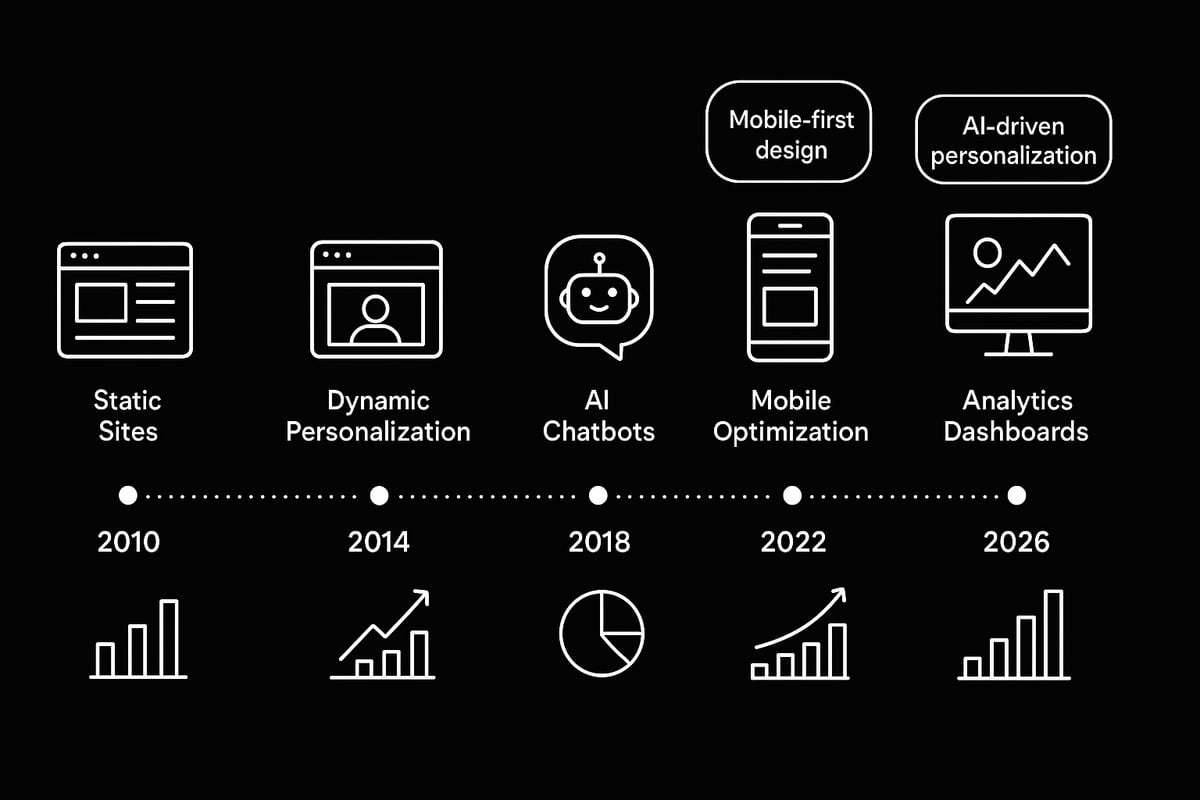
Historically, a marketing website acted as a simple online brochure. By 2026, this approach is obsolete. Modern marketing websites thrive on interactivity and real-time personalization.
Features like interactive product demos, live chat, and dynamic content adjust the user journey based on visitor behavior. Data from industry leaders shows sites with interactive elements see significantly higher engagement and conversion rates.
Today, every successful marketing website is designed to adapt, respond, and guide users in real time.
Integrating AI and Automation for Personalization
AI is rapidly transforming the marketing website into a personalized experience for every visitor. Brands now deploy AI-driven recommendation engines and chatbots that provide tailored content, answer questions, and suggest relevant solutions.
For example, companies using AI-powered personalization report up to 63% higher conversion rates, according to AI-driven personalization statistics 2025. These systems analyze user data in real time, ensuring each marketing website session feels unique.
Personalization not only boosts user satisfaction but also helps brands build stronger relationships and increase revenue.
Mobile-First and Cross-Device Consistency
By 2026, a mobile-optimized marketing website is non-negotiable. With most traffic coming from smartphones and tablets, brands must ensure their sites look and perform flawlessly on every device.
Micro-interactions, swipe gestures, and mobile-specific features are now standard. Top competitors lead with seamless mobile experiences, consistent layouts, and fast-loading pages.
A responsive marketing website delivers a unified brand presence, no matter how or where users access it.
The Power of Storytelling and Visual Branding
The most memorable marketing website experiences are built on powerful storytelling and bold visual branding. Brands are embracing video, animation, and immersive imagery to communicate their unique value.
Agency websites that use narrative-driven layouts and custom visuals stand out from the crowd. These elements create emotional connections, making the marketing website not just informative but unforgettable.
Strong storytelling turns visitors into engaged brand advocates.
Data-Driven Decision Making and Analytics
Every forward-thinking marketing website in 2026 relies on robust analytics to guide improvements. Brands use A/B testing, heatmaps, and real-time dashboards to understand user behavior and optimize content.
Data-driven insights inform design tweaks, content strategy, and user experience upgrades. Ongoing optimization ensures the marketing website continues to deliver measurable business results.
Brands that leverage analytics stay ahead, adapting their website strategy for maximum impact.
7 Inspiring Marketing Website Ideas to Boost Your Brand in 2026
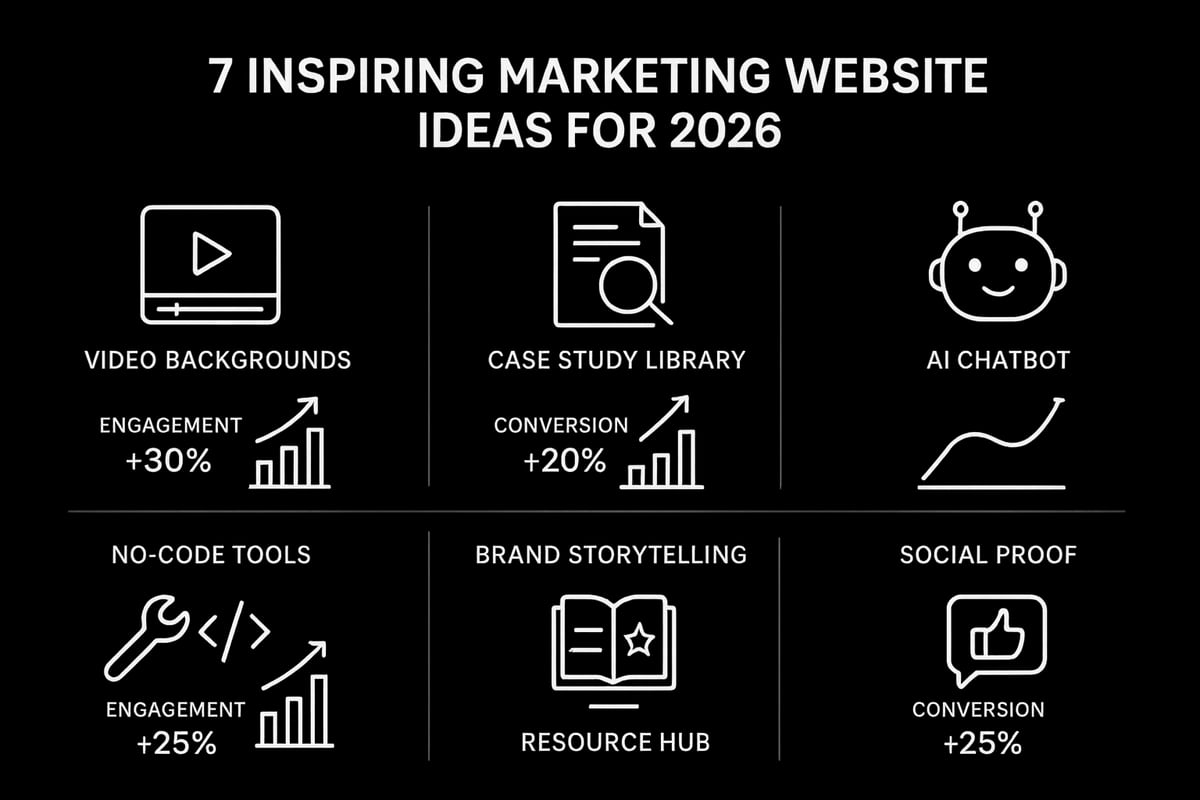
Staying ahead in digital marketing means evolving your marketing website beyond the basics. Brands that want to lead in 2026 must embrace bold ideas, interactive features, and proven strategies. Below, explore seven transformative concepts to elevate your marketing website, drive engagement, and convert visitors into loyal customers.
1. Immersive Video Backgrounds and Interactive Visuals
A leading marketing website in 2026 captures attention instantly. Full-screen video backgrounds and interactive graphics are now standard for brands seeking to impress from the first moment. This trend transforms static homepages into dynamic experiences, keeping users engaged and curious.
Agencies like Mosaic and Crafted set the bar by using video to showcase their creative process and results. Video backgrounds communicate your brand’s personality and expertise, while interactive visuals invite users to explore your marketing website further.
Benefits:
Captures attention and reduces bounce rates.
Demonstrates capabilities and builds trust.
Encourages longer site visits and interactions.
Tips for Success:
Optimize videos for fast loading and mobile performance.
Provide alternative imagery for users on slower connections.
Use video to tell a compelling story that aligns with your brand.
While immersive visuals add impact, they can slow your marketing website if not optimized. Pay attention to accessibility, ensuring all users can engage with your content. For more inspiration on what’s possible, explore the latest website design trends 2026.
2. Dynamic Case Study Showcases with Real Results
Trust is everything in digital marketing. Modern marketing website designs feature interactive case study sections that go beyond static testimonials. By integrating filters, animated statistics, and video testimonials, brands make their results tangible and relatable.
For example, Animalz and Grow & Convert present detailed, visual case studies, allowing users to filter by industry or service. This approach builds credibility and gives prospects confidence in your marketing website’s offerings.
Key Features:
Searchable case study libraries.
Embedded analytics for proof of performance.
Client logos and measurable outcomes highlighted.
Best Practices:
Update case studies regularly.
Use real data and authentic client feedback.
Make navigation intuitive and engaging.
Dynamic showcases transform your marketing website into a living portfolio. This approach not only attracts qualified leads but also nurtures them by providing clear, relatable proof of your results.
3. AI-Powered Personalization and Chatbots
Artificial intelligence is reshaping the marketing website landscape. AI-powered chatbots and recommendation engines offer personalized experiences that adapt in real time. Visitors receive tailored suggestions, answers to questions, and content based on their behavior.
Brands like TeamworkAI integrate smart chatbots for instant support and lead capture. These tools enhance your marketing website by providing 24/7 assistance and gathering valuable data for sales teams.
Capabilities Include:
Answering FAQs and guiding users.
Suggesting relevant services or content.
Collecting insights for continuous improvement.
Balancing automation with a human touch is critical. Ensure your marketing website’s chatbot is transparent about data use and complies with privacy regulations. When used well, AI can boost conversions by making every visitor feel understood and valued.
4. Seamless No-Code Integrations and Self-Service Tools
Speed and agility define the modern marketing website. No-code platforms like Webflow and Squarespace empower marketing teams to launch campaigns and update content without relying on developers. This shift enables rapid experimentation and faster go-to-market timelines.
Olivine exemplifies this trend with self-service playbooks and productized services, letting clients access resources directly from the marketing website. No-code integrations also allow for quick deployment of landing pages, forms, and analytics.
Benefits:
Reduces development bottlenecks.
Lowers costs and shortens project cycles.
Makes your marketing website more responsive to market changes.
Considerations:
Choose platforms that scale with your brand.
Ensure robust customer support and security.
Regularly review integrations for compatibility.
Self-service tools create a frictionless experience, positioning your marketing website as both innovative and user-friendly.
5. Bold Brand Storytelling and Unique Visual Identity
Storytelling is the heartbeat of every memorable marketing website. In 2026, brands stand out by weaving compelling narratives, using custom illustrations, and embracing bold visual identities. This approach creates emotional connections and sets you apart in a crowded market.
Beans Agency’s playful design and infinite scroll navigation are prime examples of narrative-driven layouts. Their marketing website uses a consistent color palette, interactive logos, and strong copy to convey a distinct ethos.
Strategies:
Develop a cohesive visual language across pages.
Use storytelling to guide users through your offerings.
Integrate micro-animations and interactive elements for added depth.
While creativity is key, avoid overwhelming visitors. Keep your marketing website clean, easy to navigate, and focused on user goals.
6. Conversion-Optimized Resource Hubs and Lead Magnets
A high-performing marketing website centralizes value for its audience. Resource hubs—featuring blogs, webinars, case studies, and downloadable templates—attract and nurture leads throughout the buyer journey.
Teamwork’s Resource Hub and Marketer Milk’s curated templates illustrate how to structure content for discoverability and conversion. Gated assets, newsletter sign-ups, and interactive guides make your marketing website a destination for ongoing learning.
Features to Include:
Regularly updated content libraries.
Downloadable resources for lead capture.
Analytics to track engagement and refine topics.
Positioning your marketing website as an authority builds trust and grows your email list, supporting both SEO and long-term brand growth.
7. Social Proof, Client Logos, and Real-Time Reviews
Trust signals remain vital for any marketing website. Showcasing client logos, video testimonials, and real-time review feeds builds credibility and reduces buyer hesitation.
Wpromote and Viralcuts feature rotating carousels of major clients and authentic feedback. Integrating third-party review platforms and keeping logos up-to-date ensures your marketing website reflects current partnerships and success stories.
Best Practices:
Use diverse testimonials to appeal to different buyer personas.
Highlight case studies alongside reviews for added depth.
Ensure easy navigation and visual consistency.
By prioritizing social proof, your marketing website becomes a trusted resource, boosting conversion rates and enhancing your brand’s reputation.
Key Features of High-Performing Marketing Websites in 2026
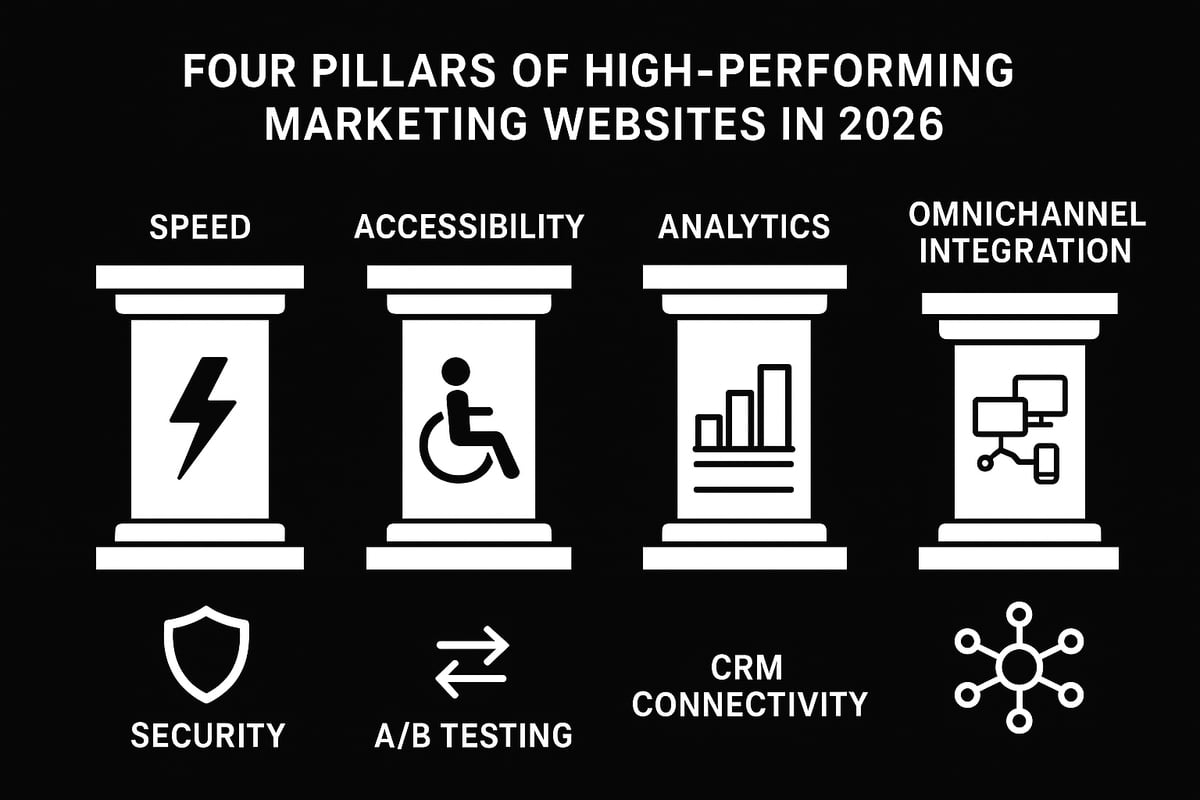
In 2026, building a high-performing marketing website requires more than just a sleek design. Brands must prioritize speed, accessibility, security, data-driven insights, and seamless integration to stand out. Let’s explore the foundational features every marketing website needs to succeed.
Speed, Accessibility, and Security as Foundations
A high-performing marketing website starts with speed. Fast-loading pages are critical for user experience and SEO ranking. Even a one-second delay can lead to lost visitors and lower conversions.
Accessibility is equally important. In 2026, compliance with WCAG 2.2+ standards ensures your marketing website reaches a wider audience, including those with disabilities. Features like keyboard navigation and alt text are essential.
Security forms the third pillar. Every marketing website must use HTTPS, implement regular security audits, and protect user data. These basics establish trust and ensure your digital presence remains reliable.
Integrated Analytics and Conversion Tracking
Modern marketing website success hinges on robust analytics. Using tools like GA4, Hotjar, or custom dashboards, you can monitor critical KPIs such as bounce rate, average session duration, and conversion funnels.
A data-driven approach empowers teams to make informed decisions about design and content. For example, by referencing Website lead generation techniques, brands can discover how analytics directly support lead capture and nurture efforts on their marketing website.
A/B testing and heatmaps reveal user behavior, helping identify what drives engagement and conversions. Continual monitoring turns your marketing website into a growth engine.
Omnichannel Integration and CRM Connectivity
To maximize impact, your marketing website must connect seamlessly with your CRM, email marketing, live chat, and automation tools. This integration creates a unified view of the customer journey.
When your marketing website is fully integrated, you can automate lead nurturing, sync data across platforms, and personalize outreach. Connecting with systems like HubSpot or Salesforce streamlines workflows and improves sales efficiency.
Omnichannel touchpoints mean visitors experience consistent interactions, whether on desktop, mobile, or through email campaigns. This alignment boosts trust and retention.
Continuous Testing and Iteration
The best marketing website is never static. Top brands embrace a culture of experimentation, using A/B tests and user feedback to refine their digital presence.
Continuous iteration means regularly updating content, layouts, and features based on real-world data. For example, a leading agency saw a 30 percent increase in conversions by making small, data-backed changes to their marketing website.
Encourage your team to review analytics, set clear success metrics, and adopt a growth mindset. This ongoing process keeps your marketing website ahead of evolving user expectations.
How to Implement These Website Ideas for Your Own Brand
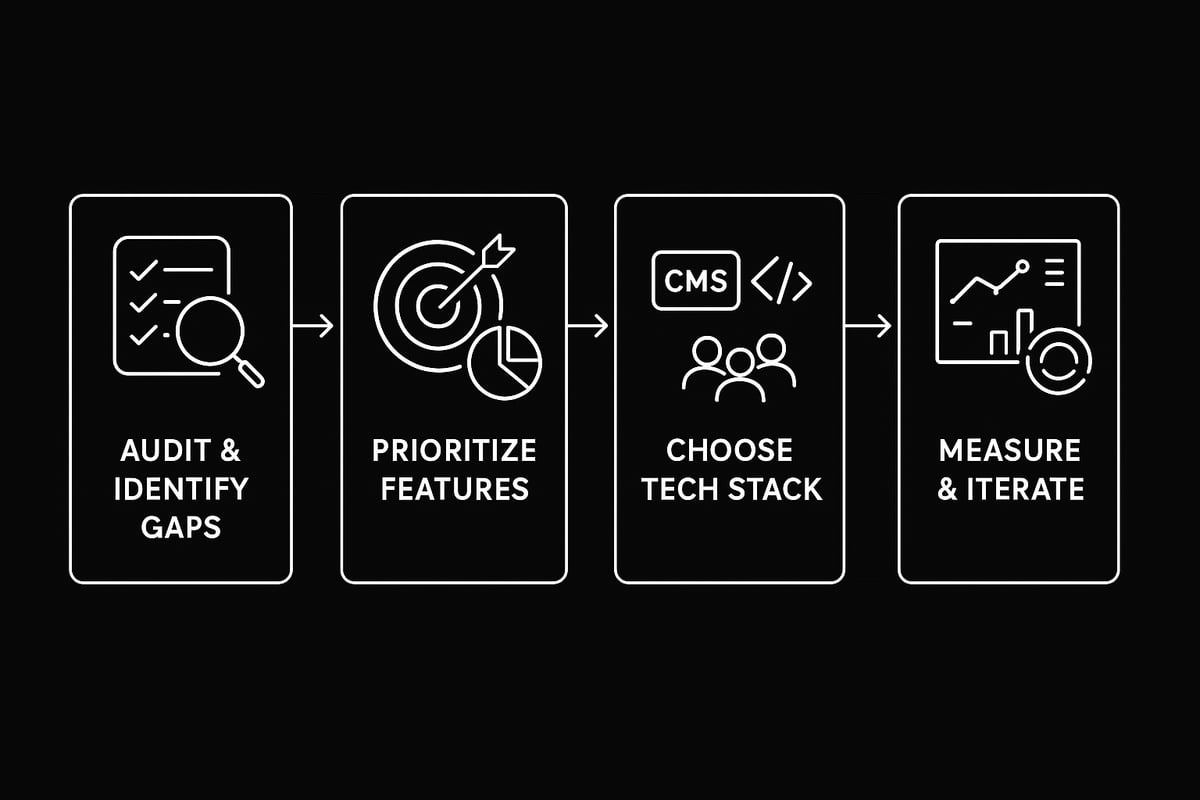
Assessing Your Current Website and Brand Goals
Begin your journey by conducting a thorough audit of your current marketing website. Review user experience, content quality, and technical performance. Identify gaps in design, conversion elements, or missing features that could hinder your brand's growth.
Break down your findings by mapping them to your overall brand objectives. Are you seeking more leads, better engagement, or stronger visual identity? Document both strengths and areas needing improvement. This foundation ensures your next steps align with your core business goals.
Prioritizing Features Based on Audience and Budget
Next, prioritize which marketing website enhancements will have the biggest impact on your audience. Map new features to key user personas and buyer journeys. For example, if your target customers value self-service, focus on interactive tools or resource hubs.
Work within your budget by setting realistic timelines and allocating resources efficiently. Create a phased roadmap, starting with quick wins that deliver immediate results. Revisit your plan regularly as business needs evolve or market trends shift.
Choosing the Right Technology Stack
Select a technology stack that supports both immediate needs and long-term scalability. Evaluate content management systems, design platforms, and integrations based on your team's technical expertise and growth plans.
Compare options by referencing guides like Websites to market your business, which can help you understand the pros and cons of various website types and features. Decide if you’ll build in-house, partner with an agency, or use a hybrid approach for flexibility and support.
Criteria | In-House | Agency | Hybrid |
|---|---|---|---|
Control | High | Medium | Balanced |
Cost | Lower (long-term) | Higher | Variable |
Speed | Medium | Fast | Fast |
Expertise | Internal | External | Combined |
Measuring Success and Iterating for Growth
Define clear metrics to track your marketing website’s performance, such as traffic, leads, and engagement rates. Set up dashboards to visualize progress and identify trends.
Regularly analyze data and gather user feedback to refine your approach. For actionable tips on optimizing your site post-launch, explore Marketing your website effectively. Use insights from analytics to test new ideas, run A/B experiments, and drive continuous improvement.
A culture of iteration will keep your marketing website ahead of the competition and responsive to your audience’s evolving needs.
Now that you’ve explored these innovative marketing website ideas, you can see how the right blend of AI automation, dynamic design, and strategic storytelling sets brands apart in 2026. If you’re ready to move from inspiration to real results—saving time, scaling efficiently, and outpacing your competitors—I’m here to help you get there. Let’s talk about how your business can implement these strategies for sustainable growth.
Book a free consultation
and take the first step toward a smarter, more impactful online presence.