Lead Generation Definition: What It Means, How It Works, and How to Improve It
Learn the lead generation definition, how it works, lead types, channels, metrics, and practical examples for Meta, TikTok, and AI chat agents today.
If you are looking for the lead generation definition, here it is in one line: lead generation is the process of attracting people who are likely to care about what you sell, capturing enough information to follow up, and moving them toward a sale. In practice, that can mean a blog reader filling out a form, a social media user opening a chat, or a TikTok viewer submitting an instant lead form. Modern platforms are built around the same idea, just with less friction and faster handoff into sales. (salesforce.com)
That is why many teams now pair content, ads, messaging, and CRM workflows instead of relying on one channel alone. If you want that system to run more consistently, automated lead generation systems can help connect traffic, capture, and follow-up into one flow. (salesforce.com)
What Is Lead Generation?
In simple terms, lead generation means creating interest and turning that interest into a contact you can work with. A lead is usually someone who has shown intent in some way, then shared a detail such as an email address, phone number, or business profile so you can continue the conversation. Salesforce describes lead generation as building interest in a product or service and then turning that interest into a sale. (salesforce.com)
A useful way to think about it is this:
Attention gets the person to notice you.
Interest gets them to want more information.
Capture gets their contact details.
Qualification tells you whether they are a fit.
Nurture keeps the conversation moving.
Conversion turns the lead into a customer. (salesforce.com)
Lead generation is not the same as getting random traffic. It is about attracting the right audience and giving them a clear next step. That next step might be a demo request, a newsletter signup, a call, a quote form, or a direct message. (salesforce.com)
Lead Generation Meaning in Marketing
In marketing, the lead generation meaning is pretty practical. You are trying to turn anonymous visitors into identifiable prospects, then use that data to start a real relationship. The stronger your offer, the clearer your call to action, and the easier the capture step, the better your results tend to be. HubSpot and Salesforce both frame lead generation as a process that starts with attraction and ends with a qualified conversation. (blog.hubspot.com)
This is also where lead generation starts to overlap with CRM, because the value is not only in collecting names. It is in storing the right information, routing it correctly, and making sure sales and marketing can see the same data. If you want a deeper look at that side of the stack, what CRM means in marketing is worth reading. (salesforce.com)
How Lead Generation Works
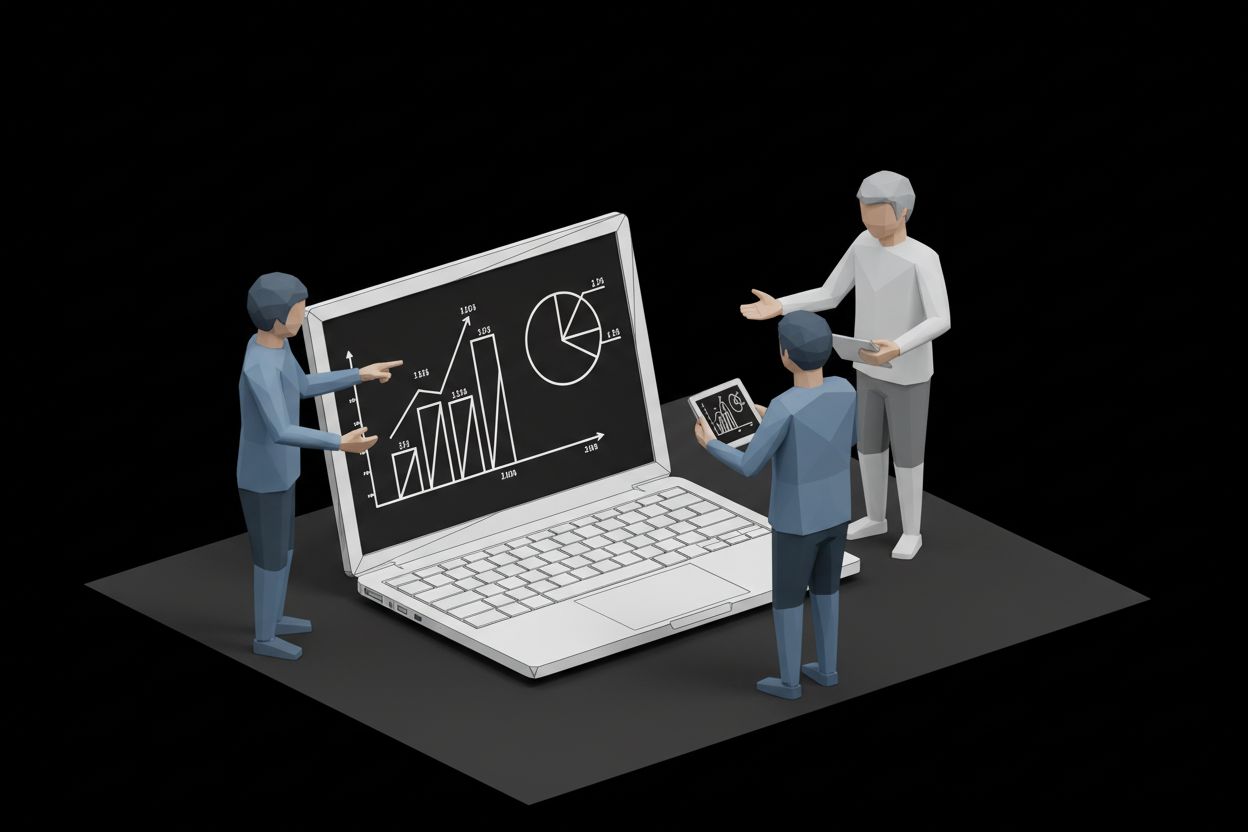
The lead generation process is easier to understand when you break it into stages.
Attract attention with SEO, content, social media, search ads, paid social, or direct outreach.
Offer something useful such as a demo, checklist, webinar, consultation, quote, free trial, or quote estimator.
Capture the lead through a landing page, form, call button, or chat experience.
Qualify the lead by checking fit, intent, and engagement.
Nurture the lead with email, retargeting, social touchpoints, and helpful follow-up.
Hand off to sales when the lead shows enough buying intent to have a serious conversation. (salesforce.com)
That is why modern lead generation is usually a mix of channels rather than a single tactic. Meta, TikTok, websites, and CRMs can all sit inside the same funnel if the handoff is designed well. (facebook.com)
If your goal is to make the capture step feel more human, AI chat agents can ask the first questions, route the lead, and keep the response time low without making the buyer wait. (facebook.com)
Lead Generation Examples
The definition becomes clearer when you see it in action.
B2B software: A company offers a webinar or demo to decision makers, then follows up with tailored email and sales outreach.
Agency services: An agency runs a consultation ad, then captures leads through a booking form or direct message.
SaaS: A platform offers a free trial or product walkthrough, then uses onboarding emails to move the lead toward activation.
Local business: A service company uses a quote form, call button, or messaging campaign to generate inbound inquiries.
These examples all follow the same pattern. The channel changes, but the goal stays the same, which is to turn interest into a contact, then a conversation, then revenue. If you are running paid social, strong paid ads management helps make that process repeatable instead of random. If your brand depends on consistent visibility, automated social media workflows can keep the top of the funnel warm while your offers do the conversion work. (salesforce.com)
Types of Leads
Not every lead is at the same stage, and that is where qualification matters.
Cold lead: Little or no prior interaction with your business.
Warm lead: Has engaged with your content, ads, email, or social presence.
Hot lead: Shows strong buying intent and is ready for a direct sales conversation.
MQL, marketing-qualified lead: A lead that looks promising from a marketing perspective, but may still need nurturing.
SQL, sales-qualified lead: A lead that is ready for sales follow-up.
Qualified lead: A lead that fits your audience and has enough intent to justify attention.
Unqualified lead: A lead that does not fit your ideal customer profile or is too early to pursue. (salesforce.com)
Salesforce also explains lead scoring as a way to rank prospects by behavior, demographics, and likelihood to convert. Its newer guidance notes that predictive lead scoring can use AI and machine learning to analyze historical and current data, which is useful when you need to sort a large number of incoming leads quickly. (salesforce.com)
Lead Generation Channels That Work Today
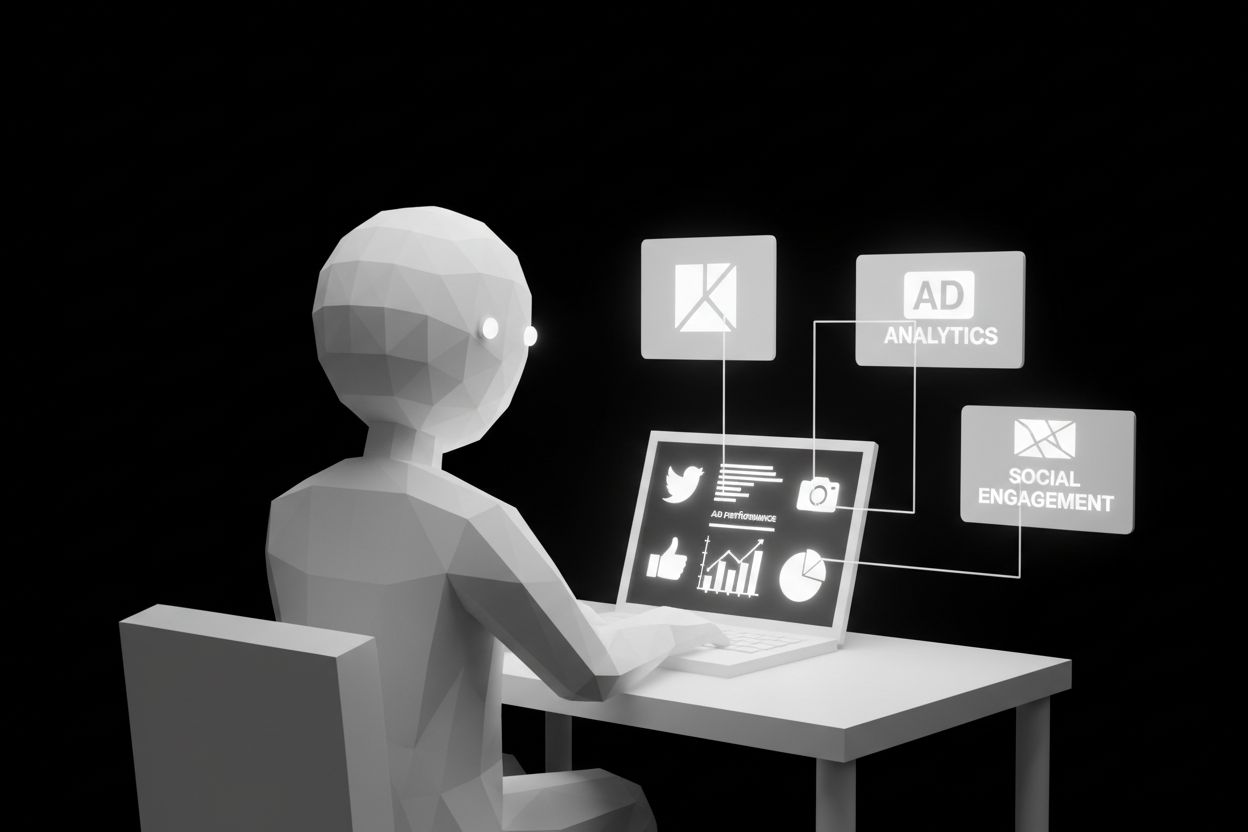
There is no single best lead generation channel. The right mix depends on your audience, the size of your offer, and how much buying friction exists. That said, these are the channels most teams still rely on:
SEO and content marketing for people actively searching for answers.
Paid search for high-intent searches and comparison queries.
Meta lead ads for forms, messaging, and calling-based lead capture.
TikTok lead generation for instant forms, website lead generation, and messaging ads.
Landing pages and forms for demo requests, downloads, and bookings.
Email marketing for nurturing leads who already know your brand.
Webinars and live demos for education-heavy buying journeys.
Referrals and partnerships for trust-based lead flow.
Outbound outreach for account-based and relationship-based sales.
Website chat and AI assistants for fast qualification and conversation. (ads.tiktok.com)
Meta’s lead ads can route people into forms, calls, or chat, while TikTok’s lead generation tools let advertisers capture leads inside the app, send people to their own web forms, or start a conversation through messaging ads. That matters because every extra click creates drop-off, and reducing friction often improves lead volume and quality. (facebook.com)
If you are building a social-first funnel, the ad is only part of the system. Creative, targeting, offer, landing page, and follow-up all need to match. That is why paid ads management is so important when you are trying to balance lead volume with lead quality. (facebook.com)
Lead Generation vs Demand Generation, Nurturing, and Prospecting
These terms get mixed up all the time, but they are not identical.
Demand generation builds awareness and interest before someone becomes a lead.
Lead generation captures the person and turns interest into a contact.
Lead nurturing keeps the lead engaged until timing and intent improve.
Sales prospecting is direct outreach to specific people or accounts.
A simple way to remember it is that demand gen creates the audience, lead gen captures the lead, nurturing keeps the lead warm, and prospecting pushes a conversation forward. HubSpot’s MQL and SQL framework reflects that same idea, where marketing-qualified contacts should be nurtured until sales-ready intent appears. (blog.hubspot.com)
Metrics That Tell You Whether Lead Generation Is Working
The most useful metrics are the ones that show quality, not just volume. A campaign can generate a lot of leads and still fail if none of them turn into customers.
A simple starting formula is:
Conversion rate = leads converted to customers / total leads generated x 100. Salesforce uses this kind of calculation when it explains lead scoring and conversion tracking. (salesforce.com)
Other metrics to watch include:
Cost per lead, CPL
Lead-to-close rate
Lead quality
Speed to lead
Return on investment, ROI
Average deal value from lead sources
Lead source performance by channel
A CRM is where those numbers become useful, because it lets you connect the ad, form, chat, call, and sale in one place. If you are trying to understand that connection better, what CRM means in marketing is a helpful next step. Salesforce also notes that CRMs help teams consolidate lead details and track engagement, close rates, and retention. (salesforce.com)
Best Practices for Better Lead Quality

Good lead generation is not just about more leads. It is about better leads, faster follow-up, and tighter qualification.
Match the offer to the audience. A top-of-funnel visitor should not see the same ask as a bottom-of-funnel buyer.
Keep forms short. Ask only for the fields you truly need at the start.
Use chat to reduce friction. A quick conversation often converts better than a long form.
Respond fast. The longer the delay, the colder the lead tends to get.
Score leads by fit and intent. Use behavior and profile data to prioritize follow-up.
Route leads automatically. Send the right lead to the right person or sequence.
Test creative and placement. Different hooks, images, and offers will attract different lead quality.
Keep data clean. Bad data creates bad routing, bad reporting, and wasted time. (salesforce.com)
Salesforce recommends providing value, making offers easy to access, testing different approaches, tracking results, and following up quickly once someone shows interest. Meta also says that lead ads that click to message work best when the first questions are easy and the conversation stays simple, with six questions or fewer usually being optimal. (salesforce.com)
That is also where automation helps. Automated lead generation can keep the funnel moving, and AI chat agents can qualify, route, and book faster than a manual process alone. Salesforce also notes that predictive lead scoring uses AI and machine learning to rank leads by their likelihood to convert. (salesforce.com)
Common Mistakes That Waste Budget
A lot of lead generation problems look like traffic problems, but the real issue is usually a broken funnel.
Asking for too much information too soon
Sending every lead straight to sales
Running the same creative everywhere
Ignoring mobile users
Failing to follow up quickly
Not nurturing leads that are not ready yet
Measuring lead volume without measuring lead quality
If you fix the offer, the qualification, and the follow-up, many campaigns improve without increasing spend. That is one reason the best teams treat lead gen as an operating system, not a one-time campaign.
FAQ
What is lead generation in simple terms?
It is the process of turning interest into a contact you can follow up with. In practical terms, lead generation means getting the right person to raise their hand through a form, call, message, or signup. (salesforce.com)
Is lead generation the same as sales?
No. Lead generation creates and captures interest, while sales turns qualified interest into revenue. The two work best when marketing and sales share the same definition of a good lead. (salesforce.com)
What are the best lead generation channels?
The best channels depend on your audience, but SEO, paid search, Meta lead ads, TikTok lead generation, landing pages, webinars, and email are all common starting points. Social and messaging-based channels are especially useful when you want a shorter path from ad to conversation. (facebook.com)
What makes a lead qualified?
A qualified lead fits your ideal customer profile and shows enough intent to justify follow-up. Many teams use lead scoring to measure that fit and intent, then pass the strongest leads to sales. (salesforce.com)
Is lead generation B2B or B2C?
Both. B2B lead generation often uses demos, webinars, and consult calls, while B2C lead generation often uses offers, messages, calls, and fast-form capture. The channel changes, but the core definition stays the same. (salesforce.com)
Lead generation works best when the whole system is simple to understand and easy to act on. At its core, the lead generation definition is about turning attention into opportunity, then opportunity into revenue. When you combine the right offer, the right channel, and the right follow-up, the funnel starts to feel a lot less random and a lot more predictable. (salesforce.com)