12 Email Marketing Templates That Actually Drive Results (With Examples)
Discover 12 high-converting email marketing templates for lead gen, nurture sequences, paid ads follow-ups, and more. Includes structure, tips, and examples.
Most businesses send emails. Fewer send emails that get opened, clicked, and acted on. The difference usually comes down to one thing: a well-structured email marketing template that does the heavy lifting before you even write a single word of copy.
Whether you’re running lead generation campaigns, nurturing prospects through a funnel, or trying to re-engage a cold list, the template you use shapes whether your message lands or gets deleted. This guide breaks down 12 of the most effective email marketing templates by use case, what makes each one work, and how to get more out of them with personalization, automation, and smart design choices.
Why Your Email Template Matters More Than You Think
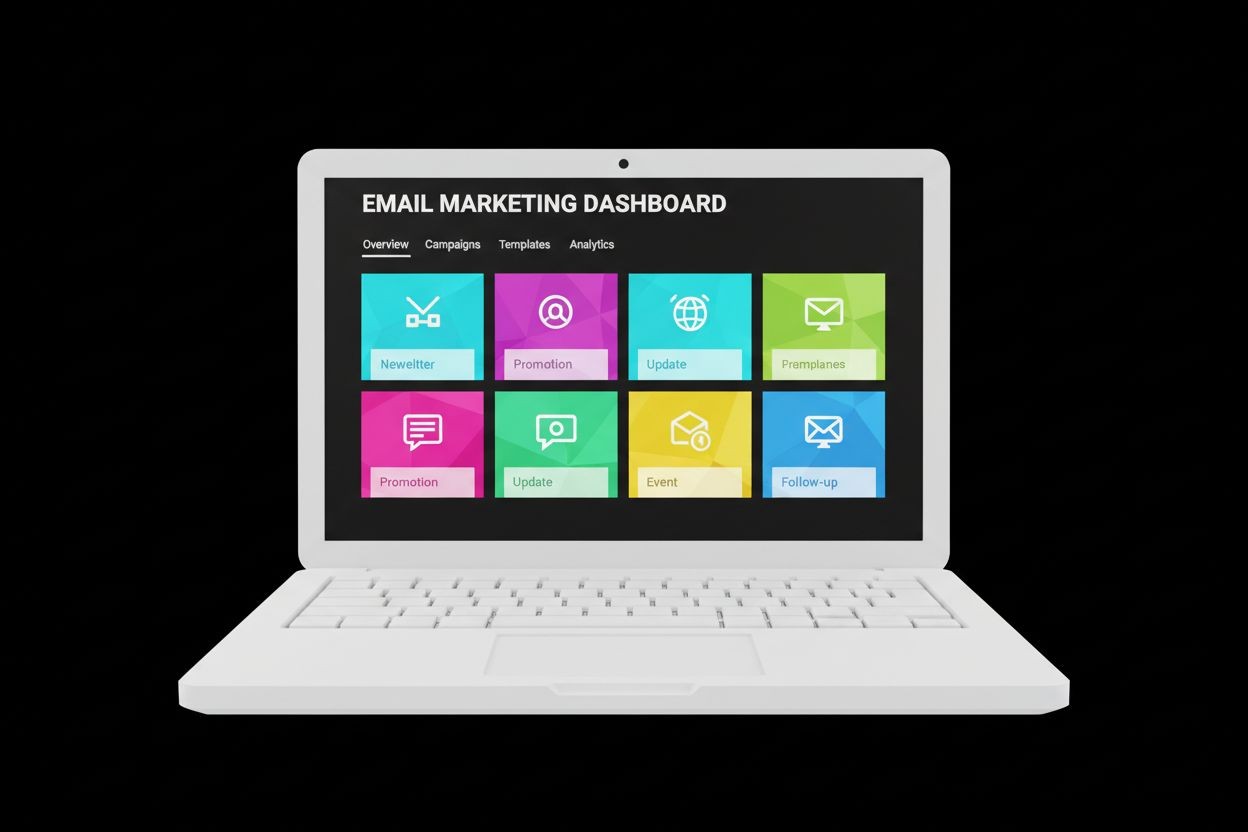
A template isn’t just a visual starting point. It’s a structural decision that determines how your reader moves through your message and whether they take the action you want. The wrong layout buries your call to action. Too many images and your email hits spam filters. No mobile optimization and over half your audience is already gone.
Here’s a quick breakdown of what every solid email template needs:
A clear visual hierarchy that guides the eye from headline to CTA
Mobile responsiveness since over 60% of emails are opened on phones
Plain-text fallback for deliverability and accessibility
Legal footer elements including your physical address and an unsubscribe link (required under CAN-SPAM and GDPR)
Alt text on all images so your message still communicates even when images don’t load
Now let’s get into the actual templates worth using.
1. The Welcome Email Template
Welcome emails generate over 50% open rates on average, which makes them the single highest-performing template type you have. Most brands waste this moment by sending a generic “Thanks for signing up” message.
A strong welcome email template does three things: confirms what the subscriber signed up for, sets expectations for what’s coming, and delivers immediate value. If you promised a lead magnet or discount, this is where it appears. If you’re onboarding a new customer, this email begins their relationship with your brand.
What to include:
A warm but direct opening line that reflects your brand voice
The offer or content they signed up for
A single, clear CTA (not three)
A short preview of what emails they’ll receive next
For businesses using automated lead generation, the welcome email is typically triggered automatically the moment someone enters your funnel, making template quality even more critical since it runs without manual input.
2. The Lead Nurture Sequence Template
Lead nurture emails are designed for people who are interested but not yet ready to buy. This template type is less about design flair and more about pacing and content value.
A good nurture sequence template has a consistent structure across 3 to 7 emails:
Problem awareness (email 1)
Solution education (emails 2 to 3)
Social proof or case studies (email 4)
Offer or CTA (email 5 or later)
Each email in the sequence should feel like a continuation of a conversation. Keep the layout minimal, use a conversational tone, and make each email single-focus. If you’re building these into an automation platform, pair them with behavioral triggers so the right email fires based on what the lead actually did on your site.
Learn more about combining email sequences with broader funnel strategy in this lead generation and marketing automation guide.
3. The Promotional / Sales Email Template
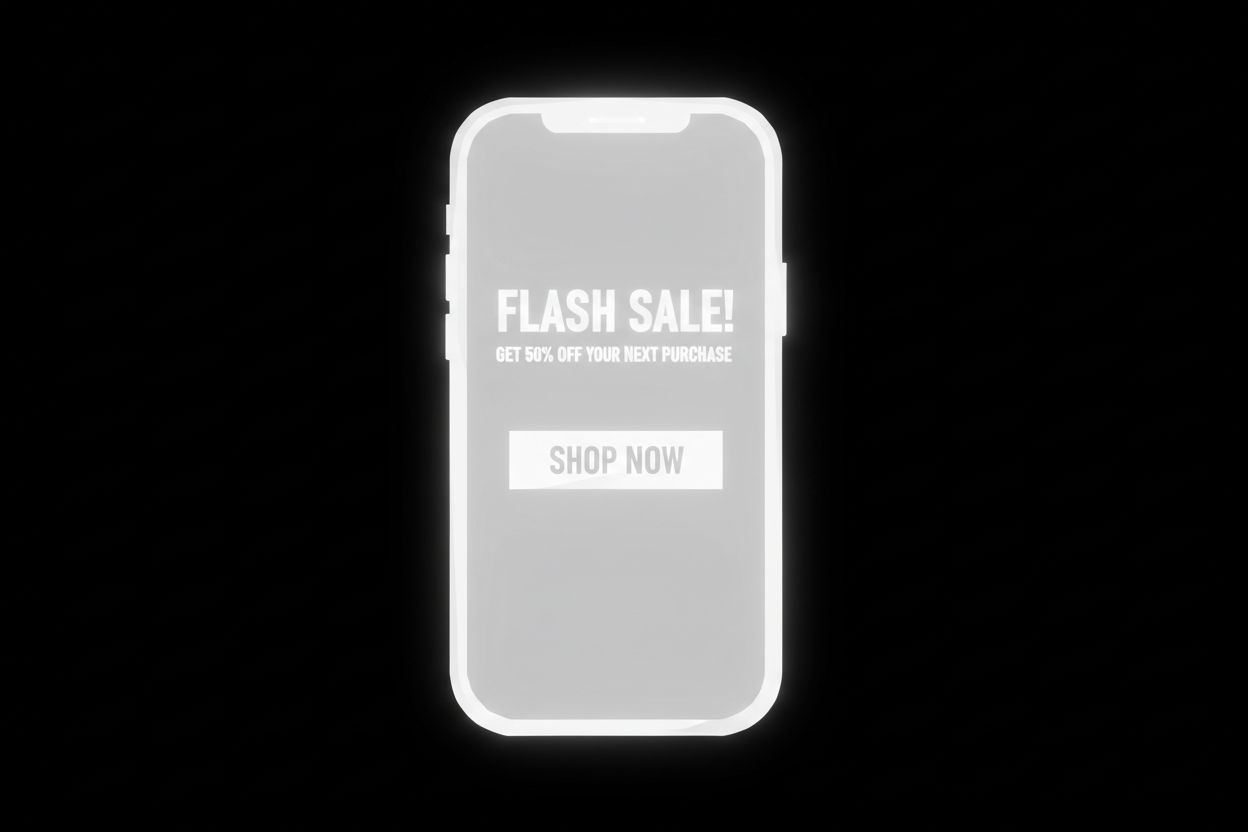
Promo emails have a bad reputation because most of them are cluttered, loud, and forgettable. But a clean promotional template built around one offer can consistently drive strong click-through rates.
The anatomy that works:
Subject line and preheader that state the offer immediately
Hero image or headline that repeats or reinforces the offer
Short body copy (3 to 5 sentences max) explaining the value
One large CTA button in a contrasting color
Urgency element such as an expiry date or limited quantity
Avoiding image-heavy designs is critical here. When your email is 90% images, it tends to land in spam folders and breaks entirely when images are blocked. Balance visuals with live text.
4. The Newsletter Template
Newsletters are tricky because they’re trying to deliver multiple pieces of content in a single send. The template needs to create structure without making the email feel like a wall of text.
A newsletter template that holds attention typically uses:
A strong editorial headline at the top
2 to 4 content blocks, each with its own mini-headline and short summary
Clear visual separation between sections (dividers, whitespace, or background color shifts)
A primary CTA in at least one block
A consistent footer with links to your social channels
For businesses managing social content alongside email, pairing your newsletter sends with automated social media tools can help you repurpose content across channels without doubling your workload.
5. The Abandoned Cart Email Template
Abandoned cart emails recover lost revenue, full stop. They average a 5 to 10% conversion rate when sent within the first hour of cart abandonment. The template design here is straightforward but needs to be fast and specific.
Template structure:
Personalized subject line mentioning the product
Product image and name in the email body
A reminder of why they were interested (social proof, product benefits)
A CTA that takes them directly back to their cart
Optional: a small incentive like 10% off in email 2 of a 3-part sequence
The personalization layer is what makes this template perform. Generic “You left something behind” messaging doesn’t convert nearly as well as emails that call out the exact product, the price, and the availability.
6. The Re-Engagement Template
Every email list has subscribers who’ve gone quiet. A re-engagement template targets these contacts before you remove them from your list.
The best performing re-engagement emails are surprisingly direct. A subject line like “Are we breaking up?” or “We haven’t heard from you in a while” works because it stands out in a crowded inbox. The email body should:
Acknowledge the gap without being dramatic
Remind them of the value they’re getting or could be getting
Offer a reason to re-engage (new content, updated product, special offer)
Include a clear “stay subscribed” CTA and a secondary “unsubscribe” option
Including the unsubscribe option isn’t just legally required, it also improves your list hygiene and protects your sender reputation.
7. The AI Chat Agent Follow-Up Template
This is a newer template type that’s becoming essential for businesses using conversational AI on their websites. When a visitor interacts with an automated AI chat agent and provides their email, the follow-up email needs to connect what was discussed in the chat to the next step in the funnel.
The template structure:
Opening line that references the chat (“You asked about X earlier today…”)
Short recap of what the chatbot shared or recommended
The logical next step based on where they were in the conversation
A low-friction CTA like booking a call or downloading a resource
This works because the context is fresh and the lead has already shown intent. A generic follow-up wastes that momentum. Keep this template tight, personal, and action-oriented.
8. The Paid Ads Follow-Up Email Template

If you’re running Meta or TikTok ads and capturing leads through a lead form or landing page, the email that fires immediately after the ad conversion is often your highest-intent touchpoint.
This template needs to:
Match the tone and offer from the ad so there’s no disconnect
Deliver fast (automation within minutes, not hours)
Be short since the lead doesn’t yet have a relationship with your brand
Move them to the next stage which might be a call booking, a free trial, or a content download
For businesses managing paid ads on Meta and TikTok, coordinating the ad creative with the follow-up email template is one of the most underused conversion improvements available. The ad sets the expectation. The email fulfills it.
9. The Event / Webinar Invitation Template
Webinar and event invites need to do a lot in a small space: communicate the value of attending, establish credibility, and make RSVP as easy as possible.
Template structure:
Event name and date prominently displayed near the top
Speaker name and credentials to build authority
Three to five bullet points covering what attendees will learn or get
Single RSVP button with a clear color and label
A secondary reminder about replay access (reduces friction for busy leads)
Send the initial invite 7 to 10 days out, a reminder 2 to 3 days before, and a same-day reminder. Each send uses the same base template with different subject lines and short updated copy.
10. The Customer Appreciation Template
Post-purchase and appreciation emails are often overlooked as conversion tools. But a well-timed thank-you email can generate referrals, reviews, and repeat purchases.
This template should feel personal and genuine, not like a marketing email. Use a minimal layout, avoid heavy promotions, and focus on the relationship. A good structure:
Sincere opening that thanks the customer by name
Short note about what their support means (genuine, not corporate)
Optional soft ask: leave a review, share with a friend, or check out related products
No more than one CTA
Customer appreciation emails with a review request have been shown to generate 4x more reviews than standalone review request emails, largely because the context feels natural rather than transactional.
11. The Transactional Email Template
Order confirmations, shipping notices, password resets. Transactional emails have near-100% open rates because people are actively looking for them. The problem is that most businesses treat them as pure utility emails with no brand presence.
A strong transactional template:
Leads with the information the user needs immediately (confirmation number, status, tracking link)
Reinforces brand identity with your logo, colors, and voice
Includes a subtle secondary message such as a recommendation or a referral prompt
Is fully mobile responsive since most of these are opened on phones within minutes of receiving them
This template type is also where legal compliance matters most. Make sure your physical address, contact information, and unsubscribe option are in every footer, even for transactional sends.
12. The Cold Outreach / B2B Prospecting Template
B2B cold email is a different discipline from permission-based email marketing, but the template principles overlap. The best cold email templates are deceptively simple.
What works:
Subject lines that are direct, not clever (“Question about [Company Name]” or “[Mutual connection] suggested I reach out”)
Opening line that references something specific about the recipient or their company
One clear problem statement that shows you understand their world
One offer or ask (a call, a resource, a quick question)
A short, easy reply prompt rather than a full CTA button
Cold email templates fail when they’re too long, too formal, or too focused on the sender rather than the recipient. Keep it under 150 words and make it feel like it was written specifically for that person, even when it wasn’t.
How to Choose the Right Template for Your Goal
Here’s a quick decision framework:
Goal | Template Type | Key Element |
|---|---|---|
New subscriber conversion | Welcome email | Immediate value delivery |
Warming up cold leads | Nurture sequence | Educational content |
Recovering lost revenue | Abandoned cart | Product-specific personalization |
Re-activating cold list | Re-engagement | Direct subject line |
Following up ad leads | Paid ads follow-up | Speed + message match |
Building trust over time | Newsletter | Consistent value delivery |
Closing warm leads | Promotional | Single clear offer |
Template Mistakes That Kill Performance
Before you start building, avoid these common errors:
Image-only emails that render as blank when images are blocked
Multiple competing CTAs that dilute focus and reduce clicks
No mobile preview before sending (always test on at least two screen sizes)
Missing plain-text version which hurts deliverability
Inconsistent branding across your template library
Forgetting dark mode since over 80% of smartphone users have it enabled, and your white background can flip to black unexpectedly
For businesses looking to scale email alongside CRM and broader marketing automation, understanding how CRM integrates with marketing strategy helps ensure your templates feed into a system that tracks and optimizes performance over time.
Final Thoughts
Email marketing templates aren’t a shortcut. They’re a foundation. The best-performing campaigns use templates as a repeatable structure, then layer in personalization, behavioral triggers, and continuous testing to push performance further.
Start with the template types most relevant to your current goals, whether that’s capturing new leads, converting warm prospects, or recovering existing customers. Build each one around a single clear objective, keep the design clean and mobile-friendly, and make sure every element from the subject line to the footer serves that one goal.
The templates in this list cover the core use cases most businesses need. Pick two or three to start, test them against your audience, and iterate from there.