AI Sales Automation for B2B: A Practical Guide to Boost Leads, Revenue, and Adoption
Practical guide to AI sales automation for B2B teams. Learn ROI, implementation steps, AI chat agents, social and paid ads strategies, templates, and compliance.
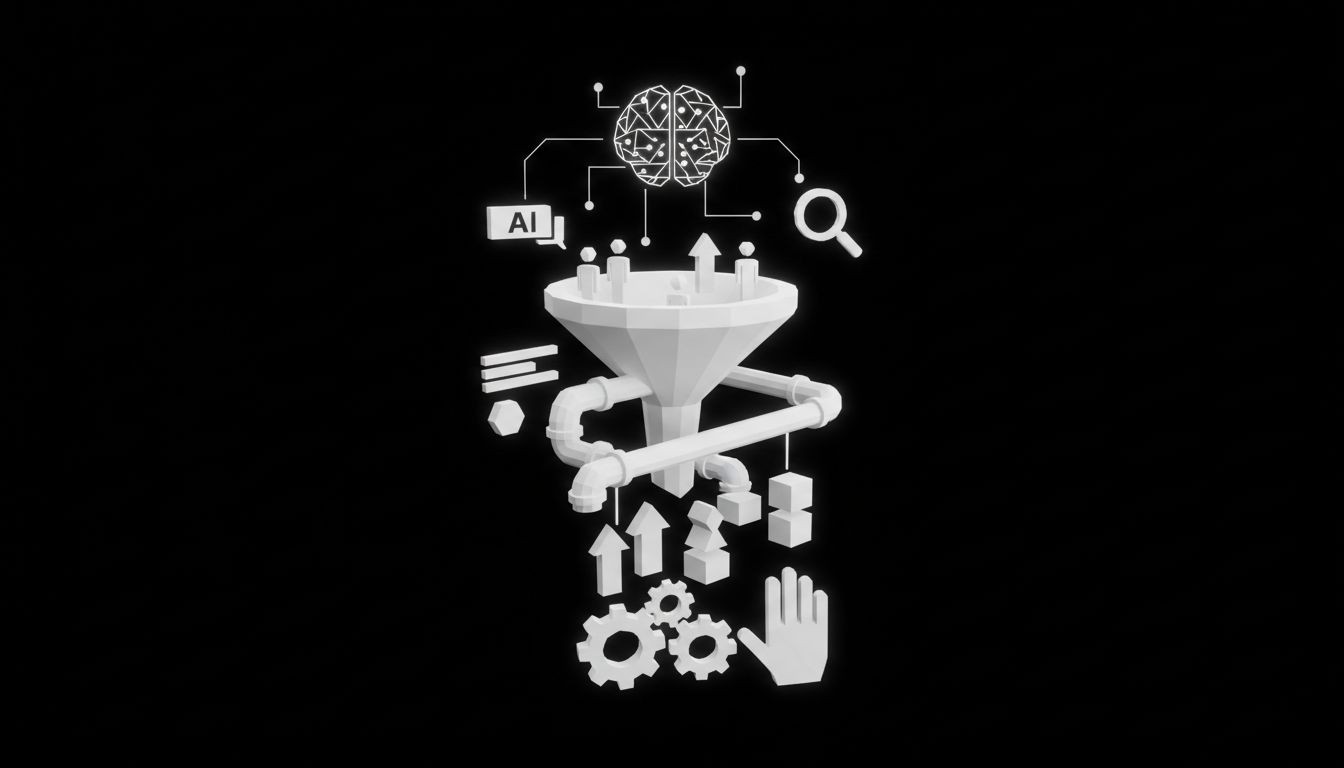
Manual prospecting and repetitive outreach waste time and morale. AI sales automation for B2B is not just about sending emails faster. It is about combining predictive insights, AI agents, multichannel outreach, and smart workflows to shorten sales cycles and increase conversion rates with less manual effort.
This guide walks you through how to evaluate, adopt, and scale AI sales automation across your B2B organization. You will get a clear ROI framework, a step by step implementation roadmap, change management tactics, privacy checkpoints, and ready to use prompts and workflow templates for email, LinkedIn, chat agents, and paid ads on Meta and TikTok.
Why AI sales automation matters now
AI changes two things for B2B sales: it scales personalization and it automates decisions that used to require human review. When teams deploy AI sales automation for B2B well, they see predictable pipeline growth, higher lead velocity, and fewer administrative tasks for reps.

Key benefits you can expect:
Faster lead qualification with predictive scoring
Higher reply rates from personalized outreach at scale
Shorter sales cycles from better timing and sequencing
Fewer data entry tasks thanks to CRM automation
Better ROI on paid ads through AI-driven audience targeting and creative testing
Use cases where AI sales automation for B2B adds the most value:
Outbound prospecting and follow up
Lead enrichment and verification
Multichannel nurture across email, LinkedIn, SMS, and chat
Conversational AI for website and ad driven leads
Automated routing and CRM updates
How to calculate ROI for AI sales automation
Before you buy, build a simple ROI model that ties automation to revenue. Use conservative assumptions and validate with pilot data.
Baseline metrics
Current conversion rate from MQL to SQL
Average deal value
Average sales cycle length
Number of leads processed per month
Impact levers
Increase in qualification rate from AI lead scoring (for example 10 percent)
Increase in reply rate from personalized outreach (for example 20 percent)
Reduction in time to close (for example 15 percent)
Time savings per rep for administrative tasks (hours saved per week)
Simple calculation
Estimated incremental revenue per month = (Leads per month * improvement in conversion) * Average deal value
Estimated cost savings = (Hours saved per rep * number of reps * fully loaded hourly cost)
Net benefit = incremental revenue + cost savings - subscription and implementation costs
Payback period
Payback months = total implementation and subscription cost / monthly net benefit
This framework gives you a clear minimum performance bar for a vendor to meet during a pilot.
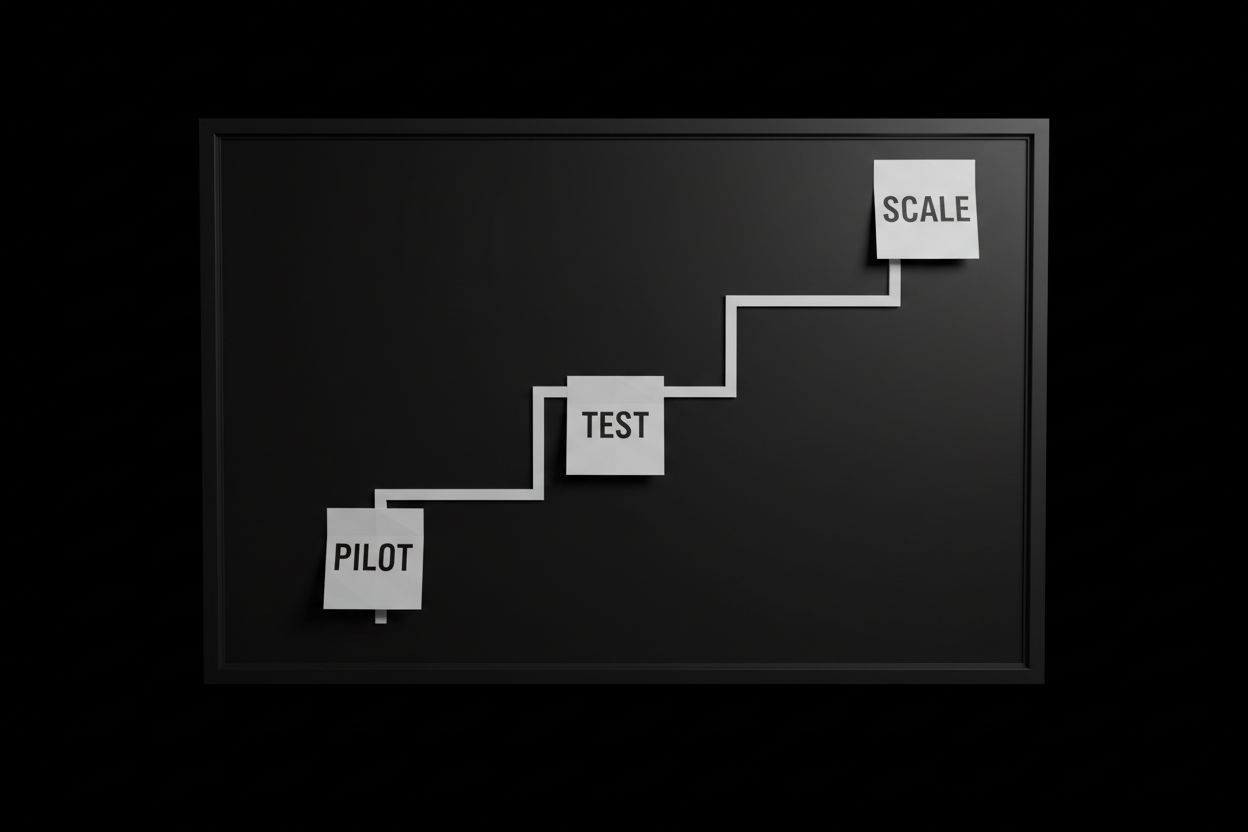
Implementation roadmap - 8 week pilot to full rollout
Start small, measure fast, and expand with positive signals.
Week 0: Align goals and metrics
Define success criteria: uplift in qualified meetings, reply rate, reduction in admin hours
Identify stakeholders: sales leadership, ops, marketing, IT, legal
Week 1 to 2: Data and wiring
Audit CRM hygiene and lead sources
Set up integrations between chosen tool, CRM, and data enrichment services
Define required fields and sync frequency
Week 3: Build targeted workflows
Create 2 pilot sequences: one outbound for enterprise accounts and one nurture flow for inbound leads
Add personalization tokens and AI generated subject lines and cadences
Week 4: Train AI models and agents
Provide initial training data like past cadences and closed won examples
Configure model thresholds for lead scoring and routing
Week 5: Run controlled pilot
Run the pilot on a sample of leads and limited rep group
Track reply rates, booked meetings, and CRM update accuracy
Week 6: Evaluate and iterate
Compare pilot metrics to baseline using the ROI framework
Tweak prompts, timing, and thresholds
Week 7 to 8: Expand and document
Roll out to full team in phases
Produce playbooks, prompts, and a migration checklist for future updates
AI sales automation maturity model
Assess where you are and plan the next stage.
Level 1 - Basic automation: Email templates, calendar scheduling, manual enrichment
Level 2 - Guided automation: AI suggestions for subject lines, basic scoring, partial CRM automation
Level 3 - Multichannel automation: Orchestrated email, LinkedIn, SMS, and ad retargeting with AI sequencing
Level 4 - Autonomous agents: AI chat agents qualify leads, book meetings, and update CRM automatically
Level 5 - Predictive enterprise: Real time intent signals, dynamic targeting, and closed loop optimization across sales and marketing
Aim to move a level per 6 to 12 months depending on resources and data maturity.
Choosing the right tools and integration architecture
Not every vendor needs to be enterprise grade. Focus on three layers:
Data and enrichment layer - lead databases, verification, intent signals
Orchestration layer - sequences, workflows, multichannel scheduling
Execution layer - sending email, LinkedIn outreach, chat agents, ad platforms
Integration notes:
Use native CRM connectors when possible to keep data in sync
Build fall back rules for failed enrichments and duplicates
Keep a single source of truth for lead stage and ownership
For CRM strategy and how automation ties to marketing, see this guide on CRM in marketing for a fuller view: What Is CRM in Marketing: A Complete Guide to Strategy, Automation, AI, and Growth.
AI chat agents, social outreach, and paid ads
AI agents are the fastest path to real time qualification. A well trained AI chat agent can handle the first contact, answer common objections, capture context, and schedule a meeting with a human closer.
Use cases for paid social and AI:
Meta and TikTok ads feed leads directly to chat agents that qualify and book meetings
AI can test ad creative and headlines automatically to find winners faster
Lead scoring can prioritize paid traffic with higher intent signals
Practical tips for running ads with AI:
Feed ad leads to a chat agent or automated sequence within seconds
Use AI to produce multiple ad creative variants and test at scale
Set clear attribution windows for short and long sales cycles
If you want help with paid campaigns and AI creative, see our paid ads management service: Paid Ads Management - The Social Search.
For social content automation and scheduling that supports outreach, check this resource: Automated Social Media - The Social Search.
Prompts and workflow templates you can use today
Below are starter prompts and a 5-step email sequence to speed up pilots.
AI cold outreach subject line prompt
“Write 5 concise subject lines for an outreach email to a VP of Sales at a mid-market SaaS company about reducing churn by 15 percent. Keep tone professional and curiosity based.”
AI email body prompt for first touch
“Write a short opening email that references a recent product launch, offers a 10 minute discovery call, and includes a one sentence social proof. Use the recipient name [FirstName] and company token [Company].”
5-step nurture sequence (outline)
Day 0: Personalized intro linking to a relevant case study
Day 3: Value add email with one actionable insight
Day 7: LinkedIn connection message with soft ask
Day 14: Short video or voice note via email or LinkedIn
Day 21: Breakup email with an open invitation to reengage
For automated lead capture and chat agent setup, see our automated AI chat agents service: Automated AI Chat Agents - The Social Search.
Industry specific examples
SaaS: Use intent signals and product usage data to trigger outbound sequences for upsell. Prioritize leads with in product trial activity.
Manufacturing: Focus on account based outreach. Use AI to enrich contacts with role specific details and to identify buying windows based on public filings or news.
Professional services: Use thought leadership content and LinkedIn outreach to warm accounts, then use an AI agent to schedule discovery calls.
Team size recommendations and breakpoints
1 to 5 reps: Start with simple email automation and CRM enrichment tools. Keep costs low.
5 to 20 reps: Add multichannel sequences and basic lead scoring. Track rep adoption closely.
20 to 50 reps: Invest in centralized orchestration and analytics. Introduce AI agents for routing.
50+ reps: Consider enterprise vendors for SLA, advanced security, and custom integrations.
Privacy, compliance, and data governance
B2B automation must respect privacy laws and corporate policies.
Checklist:
Ensure opt in and consent where required by jurisdiction
Mask or avoid storing sensitive personal data unless necessary
Maintain a clear data retention policy and deletion process
Work with legal to assess cross border data flows for GDPR and CCPA
Log model decisions and allow human review for high risk actions
Refer to your privacy policy and legal contacts before scaling any automation. If you need to review your policies, see our terms and privacy pages: Privacy policy - My Framer Site and The Social Search terms.
Common failure modes and how to avoid them
Garbage in garbage out. Poor CRM data will break scoring and personalization. Fix data quality first.
Over personalization without testing. Too much dynamic content can reduce deliverability. Start simple.
Ignoring rep workflows. If a tool adds friction, adoption will fail. Involve reps in design.
Blind trust in AI. Monitor decisions and provide human review for edge cases.
No measurement plan. Without clear KPIs you cannot prove value.
Evaluation scorecard and migration checklist
Use a simple 1 to 5 scorecard across five dimensions: integration, ease of use, multichannel support, data controls, and pricing. Weight each dimension based on your priorities and run a pilot before signing a long term contract.
Migration checklist:
Export and clean CRM data
Map fields and ownership rules
Create backup of current automations
Run pilot on a business segment
Train reps and produce playbooks
Monitor KPIs and iterate
For a full framework on marketing automation and lead generation that complements sales automation, see: Lead Generation and Marketing Automation Guide for 2026 Success - The Social Search.
Action plan and next steps
Run a 6 to 8 week pilot with clearly defined goals and ROI targets
Use the prompts and 5-step sequences in this guide to set up your workflows
Monitor performance, adjust thresholds, and scale when you hit payback targets
Add AI chat agents to handle immediate lead capture from ads and your website
Institutionalize governance and privacy checks to keep compliance on track
If you want a ready to deploy lead generation setup tied to automation, check our automated lead generation service: Automated Lead Generation - The Social Search.
For a technical partner that can create websites with embedded automation, see our automated website creation service: Automated Website Creation - The Social Search.
Closing and call to action
AI sales automation for B2B is a sequence of small wins. Start with clean data, run a focused pilot, and scale the elements that deliver measurable revenue and time savings. If you want help scoping a pilot or need template sequences and scorecards tailored to your industry, contact our team to get a custom plan.
For quick access to more insights and updates, explore our blog and insights pages: The Social Search blog and Insights.
Good automation starts with clear goals and a willingness to iterate. Use the frameworks in this guide and prioritize the measured wins that free reps to do higher value selling.