AI Lead Nurturing Automation: A Practical Guide to Scaling Personalized Outreach
Master AI lead nurturing automation with actionable workflows, prompts, compliance guidance, ROI benchmarks, and tool recommendations to boost conversions in 2026.
Leads move through a funnel faster than most teams can respond. AI lead nurturing automation closes that gap by delivering timely, personalized touches across email, chat, social, and ads so prospects progress without manual bottlenecks. This guide explains what AI-driven nurturing actually changes, when to use it, how to implement it, and how to measure real ROI.
What is AI lead nurturing

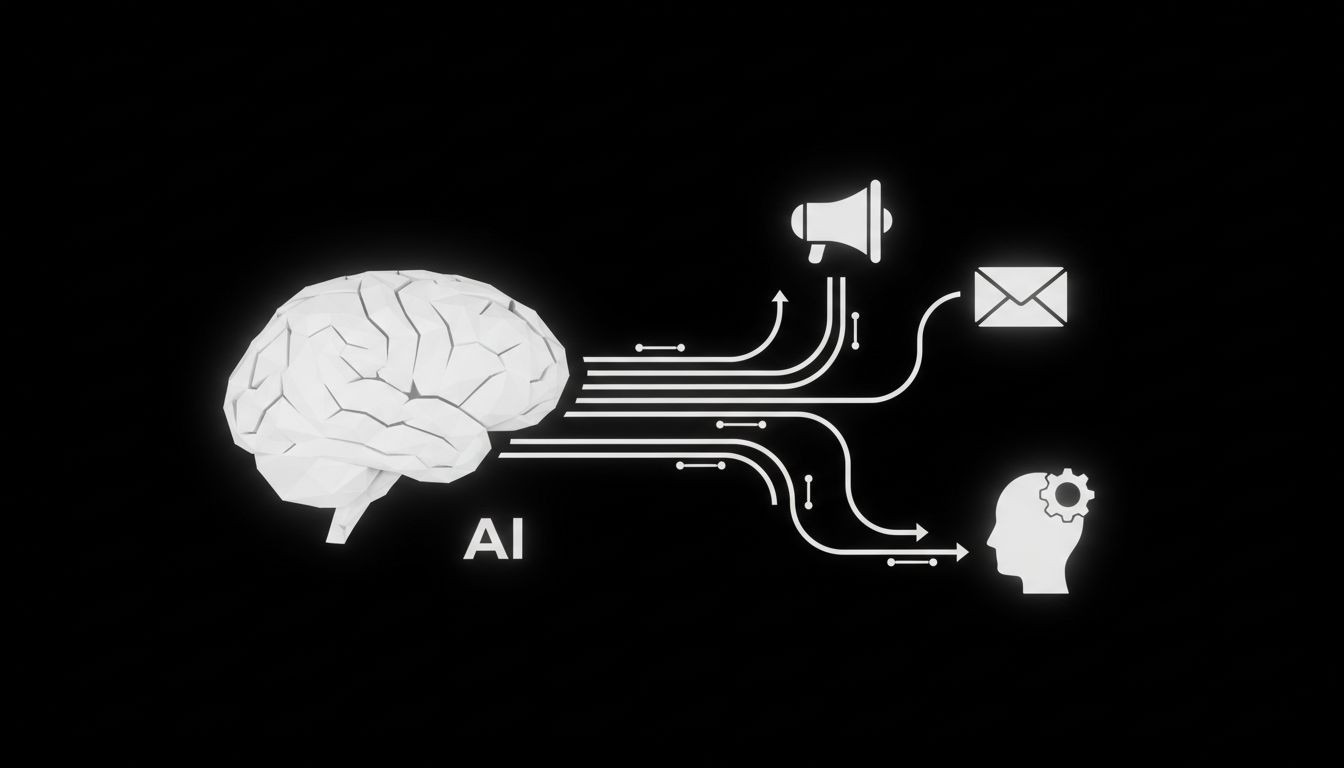
AI lead nurturing automation uses machine learning and natural language models to score, segment, personalize, and sequence messages across channels without constant human involvement. Unlike traditional marketing automation that follows static rules, AI systems predict intent, write adaptive copy, and decide next actions based on real-time behavior and signals.
Why this matters now
Human attention is scarce. Buyers expect relevance and speed. AI provides both at scale.
Data sources have expanded. AI can ingest signals from CRM, ad platforms, chat logs, and social listening to build a richer prospect profile.
Platforms now support conversational agents and dynamic content generation that keep outreach fresh and contextual.
How AI differs from classic automation
Predictive intent modeling versus rule-only scoring. AI assigns probabilities for buying intent based on patterns, not only explicit actions.
Natural language generation versus templated content. Messages adapt to tone, persona, and stage.
Continuous learning versus periodic rule updates. Models can refine scores and triggers as new data arrives.
For a deeper look at connecting AI with your customer system, see this CRM resource: What Is CRM in Marketing: A Complete Guide to Strategy, Automation, AI, and Growth.
Why AI-powered lead nurturing matters
AI lead nurturing automation impacts three business levers: speed, relevance, and efficiency.
Speed. Faster follow-up reduces lead decay and increases conversion probability. Studies show response time under an hour can significantly increase qualified conversations.
Relevance. Personalized content increases engagement. AI can produce customized subject lines and messages that match behavior and intent.
Efficiency. Automation reduces repetitive work for marketing and sales so teams focus on high-value conversations.
Metrics to watch
MQL to SQL conversion rate. Benchmark improvement: 10 to 40 percent uplift with AI depending on baseline.
Time to first contact. Target reduction: 50 percent or more.
Engagement rate for nurtured sequences. Typical open rate improvement: 5 to 20 percent when personalization is AI-driven.
Key components of effective AI lead nurturing
Lead scoring and predictive intent
AI models combine demographic, firmographic, behavioral, and intent signals. Common steps:
Ingest CRM, web events, ad clicks, and chat transcripts.
Normalize attributes and create session-level features.
Train models to predict conversion probability with cross validation.
Generate a rolling lead score and an intent probability.
Practical threshold example
Hot: score > 80 or intent probability > 0.7. Route to sales immediately.
Warm: score 50 to 80. Add to high-touch AI sequences and ad retargeting.
Cold: score < 50. Add to long-term nurture and periodic re-engagement.
Segmentation and personalization
Segmentation should combine static attributes like industry and dynamic behavior like visited pricing pages. AI helps by discovering micro-segments and recommending message variants. Personalization layers include product fit, use case, content format, and tone.
Workflow automation and triggers
Workflows define actions based on signals. AI enriches triggers with probability thresholds and predicted next best action. Examples of triggers:
Downloaded pricing PDF and visited demo page. Trigger: send tailored case study and schedule calendar offer.
Replied with pricing question. Trigger: escalate to SDR with sentiment summary.
Omnichannel sequencing
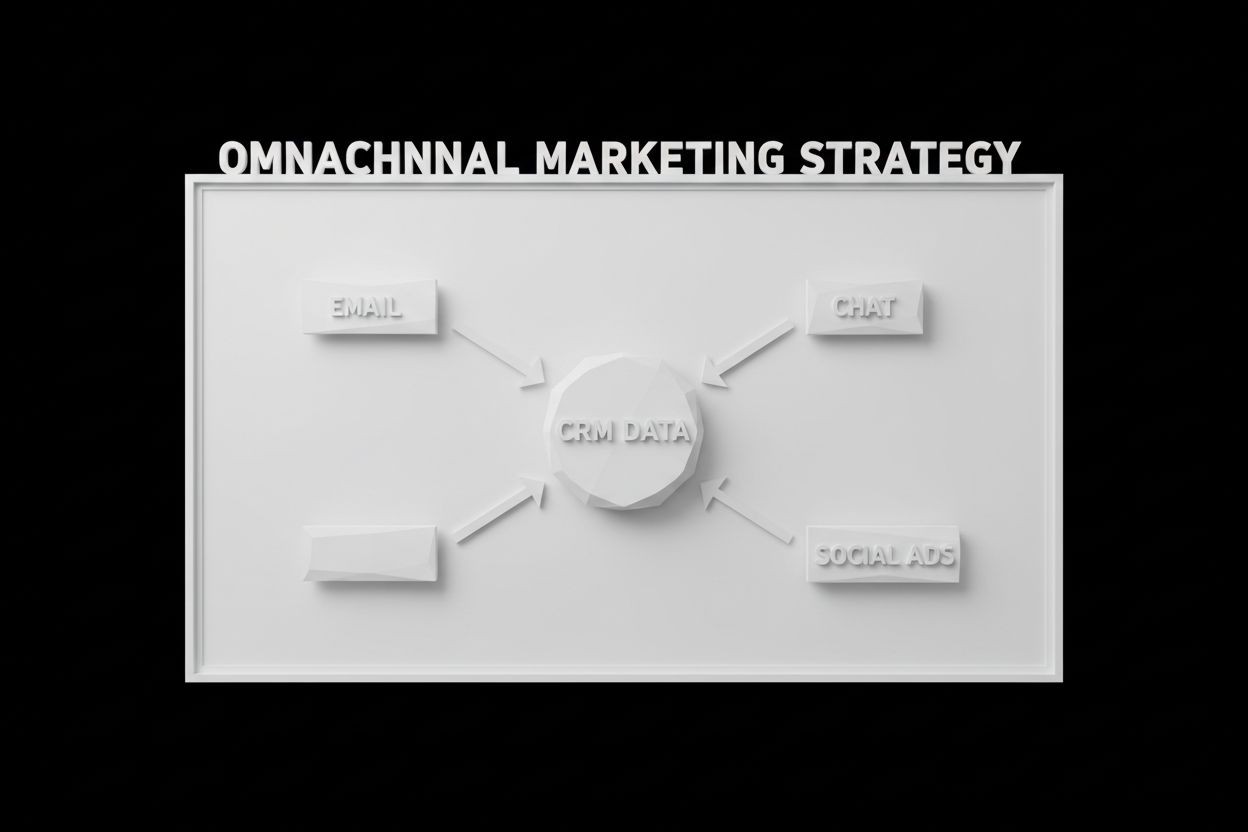
Nurturing works best when channels coordinate. Use email for long-form content, chat for immediate questions, social ads for visual reminders, and SMS for time-sensitive offers. AI orchestrates frequency and channel mix to avoid overcontact.
Analytics and feedback loops
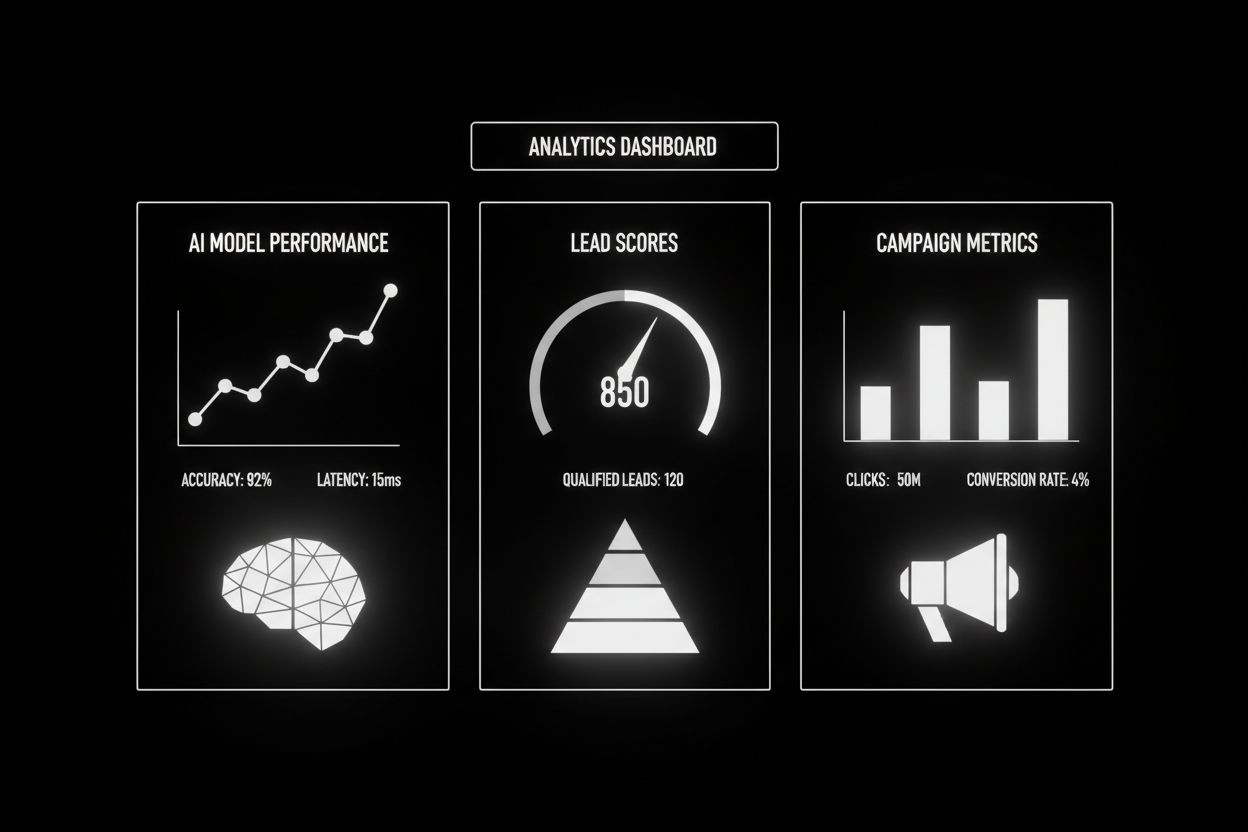
Track cohorts, attribution, and lift. Feed results back to models for continuous refinement. Useful KPIs: conversion rate by segment, time to close, and lead velocity.
Key strategies for implementation
These strategies focus on making the system practical, compliant, and measurable.
Map buyer journeys and signal sets
Start with the buyer journey stages and list the signals that indicate movement between them. Signals include page visits, content downloads, ad clicks, chat transcripts, and ad engagement. A clear map guides what AI should monitor and when to act.
Prioritize high-value segments
Not all leads deserve the same resources. Use deal size, account tier, or strategic fit to prioritize where AI interventions escalate to humans. For account-based nurturing, coordinate multi-stakeholder sequences and identify the champion within the account.
Integrate systems around a single source of truth
Your CRM should be the hub. Real-time sync from chat agents, ad platforms, and email ensures the model sees the latest prospect state. For integration, plan webhooks and API endpoints to avoid lag and duplication. For more on automated lead systems, see Automated Lead Generation - The Social Search.
Define human-AI handoff protocols
Create clear criteria for when AI escalates to sales. Include: score thresholds, negative signals like explicit disinterest, and high-value event triggers such as pricing page with intent probability above 0.8. Attach a context summary and suggested next steps with each handoff.
Build prompt frameworks for content generation
Use templates for consistency and compliance. A simple prompt pattern works well:
Role and tone. Example: “You are a B2B SaaS growth specialist, friendly and concise.”
Prospect context. Include product interest, job title, company size.
Goal. Book a demo, share a case study, or answer a specific question.
Constraints. Word limit, personalization fields, compliance reminders.
Example prompt
“You are a friendly SaaS growth specialist. Prospect is Head of Marketing at a 200-person eCommerce company who viewed the pricing page and downloaded a case study. Write a 90 to 120 word email that highlights ROI relevant to eCommerce, requests a 20 minute demo, and includes a gentle next-step CTA. Include the prospect name and company.”
Include privacy and compliance by design
Respect GDPR, CAN-SPAM, and local rules. Store consent flags in CRM and ensure AI sequences consult consent status before sending. Maintain audit logs of generated messages and the data used to train models.
Step-by-step tactical implementation
Prepare your data
Audit data sources and identify gaps such as missing company size or contact role.
Enrich records with third-party data where needed and allowed.
Clean and deduplicate to ensure single customer view.
Choose the right tools
Select platforms that support: real-time integration, model orchestration, NLG capabilities, and omnichannel delivery. Options vary by budget and complexity. If you rely heavily on conversational touchpoints, include automated AI chat agents. Learn about integrating chat agents here: Automated AI Chat Agents - The Social Search.
Design workflows and triggers
Sketch each sequence with entry conditions, messages, wait times, and escalation rules. Use behavior-based branching rather than fixed timers where possible.
Implement prompts and templates
Create a library of baseline prompts for different stages and segments. Test variations with A B testing to determine which tone and CTA perform best.
Test deliverability and sender reputation
For email-heavy programs validate SPF, DKIM, and DMARC. Run small cohorts to check spam metrics and adjust content frequency and subject lines to maintain inbox placement.
Launch in phases
Start with one segment and one product line. Measure, iterate, and expand. Track time to value. Most organizations see meaningful improvements in 6 to 12 weeks when models are trained on existing historical data.
For integrated paid channel tactics, coordinate AI-driven nurture with social and paid ads. If you run Meta or TikTok ads as part of nurture, sync audiences from your nurtured segments with your ad manager and tailor creative to the segment.
Explore paid ads operations here: Paid Ads Management - The Social Search.
Best practices and pitfalls to avoid
Keep messages human. Avoid robotic copy even when AI generates content.
Test often. A B tests and rollout experiments reveal what resonates in your market.
Respect frequency. Use AI to manage contact cadence so prospects do not feel spammed.
Monitor negative signals. If sentiment drops or engagement falls, pause aggressive sequences and analyze.
Document decisions. Version control prompts and model parameters so you can audit outputs.
Common pitfalls
Over-automation without clear handoff rules. This leads to missed opportunities.
Training on biased or stale data. Models will learn the wrong signals.
Ignoring compliance. Automated messages can trigger penalties if consent is not respected.
Quick checklist for launch
Mapped journey and signals
Clean CRM and enrichment plan
Defined handoff thresholds
Prompt and template library
Deliverability checks and compliance flags
Choosing tools and technology
Look for tools that provide:
Two-way CRM sync
Real-time scoring and inference
Natural language generation with guardrails
Omnichannel sequencing and delivery
Reporting with cohort analysis
Tool examples and use cases
CRM with AI add-ons. Use when you want tight sales and marketing alignment.
Standalone orchestration platforms. Use when you need flexible multi-channel flows.
Conversational AI platforms. Use for chat-first engagement and instant qualification.
For automation that includes social and content scheduling, consider linking your nurture program with automated social services: Automated Social Media - The Social Search.
Measuring ROI and attribution
Calculate lift by comparing cohorts that received AI nurture versus control cohorts. Important measures:
Lift in conversion rate
Reduction in average sales cycle
Increase in deal value
Cost per qualified lead before and after automation
Time to value
Expect initial model tuning for 4 to 8 weeks. If you have rich historical data, the ramp is faster. Small pilots often pay back within a quarter when they target high-value segments.
Advanced topics and 2026 trends
Agentic AI capabilities that can autonomously assign budgets for small ad tests and adjust sequences based on performance.
Personalized video at scale, where AI composes short personalized clips for top prospects.
Voice and conversational AI used for proactive nurture calls that surface intent signals.
Predictive churn prevention applied to existing customers as a form of ongoing nurturing.
Industry-specific notes
SaaS. Shorter cycles and high trial signals work well with in-product triggers.
Professional services. Longer cycles require multi-touch ABM sequences with content tailored to buying committees.
Manufacturing. Focus on account-based signals and technical case studies rather than generic whitepapers.
Conclusion
AI lead nurturing automation makes personalized outreach scalable, but success depends on clean data, clear handoff rules, and careful measurement. Start small, prioritize high-value segments, and iterate based on measurable lift. When set up correctly, AI reduces time to contact, increases relevance, and frees teams to close more deals.
If you want a tactical playbook for combining automation and lead generation across channels, check this more holistic guide: Lead Generation and Marketing Automation Guide for 2026 Success - The Social Search.
FAQ
How soon will I see results with AI lead nurturing automation?
Most pilots show meaningful improvements in 6 to 12 weeks once data pipelines and initial models are in place. Time to value shortens with higher data quality.
Is AI lead nurturing compliant with GDPR and CAN-SPAM?
Yes, when you build consent flags into the CRM, record processing activities, and ensure opt-out mechanisms are active. Include compliance checks in your workflow before sending messages.
Can AI write emails that match our brand voice?
Yes. Train AI with brand examples and use prompt constraints. Maintain a review step for messages to ensure brand consistency and legal safety.
Which channels work best together for nurturing?
Email, chat, and paid social work well as a coordinated mix. Use SMS sparingly for time-sensitive communications. Sync segments with ad platforms for retargeting.
Where can I get implementation help?
If you need end-to-end implementation, integration with ad channels, and chat automation, explore services like our automated lead generation and AI chat agent offerings: Automated Lead Generation - The Social Search and Automated AI Chat Agents - The Social Search. For questions or a consult, visit Contact The Social Search.