Essential Guide to Sales and Marketing Business Success 2026
Master the sales and marketing business in 2026 with expert strategies, AI insights, and data driven tactics to drive growth and outperform your competitors.
Dec 14, 2025
In 2026, the digital landscape is evolving at breakneck speed, blurring the boundaries between sales and marketing business roles. To thrive in this environment, companies must master both disciplines and adapt quickly to new technology and customer expectations.
This essential guide empowers you with actionable strategies, expert insights, and proven frameworks designed for sales and marketing business success. Discover how to leverage the latest digital tools, embrace customer-centric approaches, and harness data-driven tactics to stay ahead of competitors.
Are you ready to unlock sustainable growth and measurable results? Dive in and transform your sales and marketing business strategy for the future.
Understanding the Sales and Marketing Landscape in 2026
In today's rapidly evolving marketplace, the sales and marketing business environment is transforming at an unprecedented pace. The interplay between these two functions is redefining how organizations attract, engage, and retain customers. To remain competitive in 2026, leaders must embrace new frameworks, technologies, and customer-centric strategies that bridge traditional divides and foster unified growth.
The Convergence of Sales and Marketing
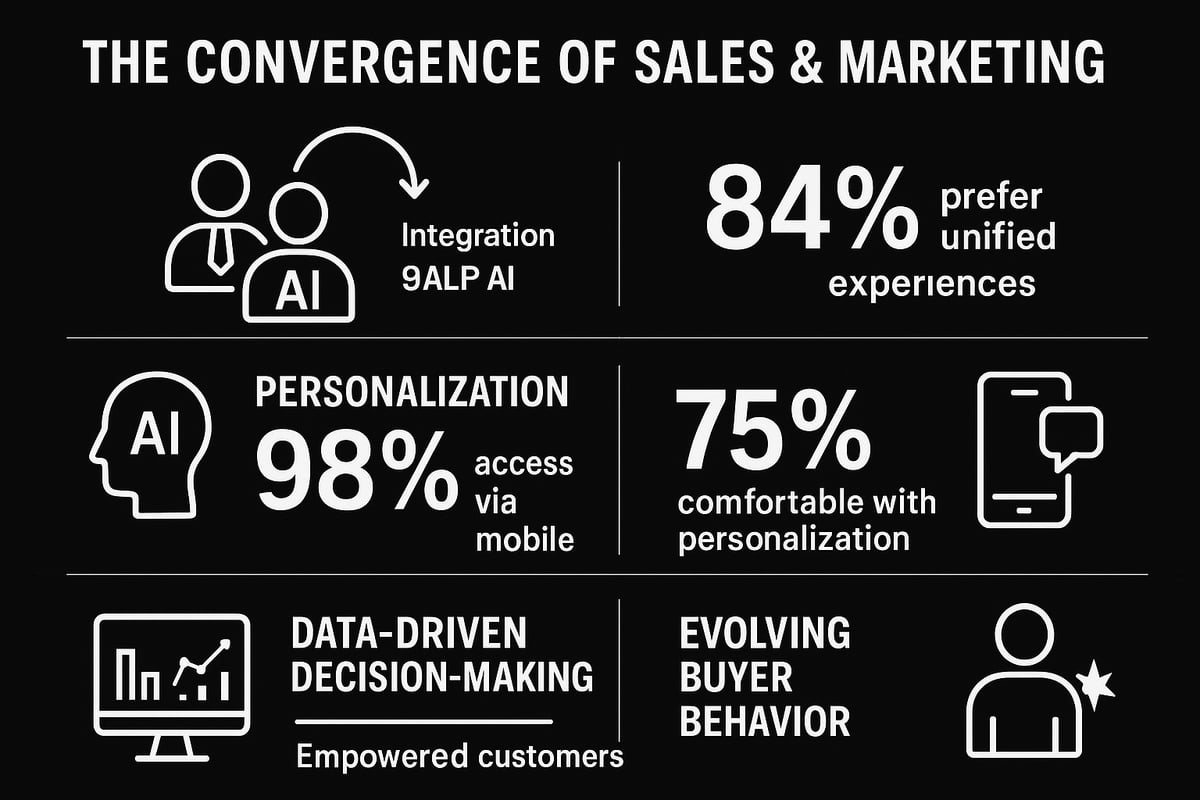
The traditional boundaries between sales and marketing business teams are dissolving, giving rise to unified revenue operations. Organizations now recognize that aligning both functions enhances the customer journey and drives superior results. Instead of siloed departments, companies are forming integrated teams that collaborate on strategy, messaging, and execution.
Customer journey mapping plays a central role, ensuring that every touchpoint delivers a consistent and personalized experience. In fact, 84% of customers now prefer brands that provide unified, tailored interactions throughout their journey. Businesses achieving this synergy report higher ROI and improved customer retention. For expert guidance on unifying these efforts, many turn to sales and marketing consulting insights to refine their approach.
Key Trends Shaping the Industry
Several transformative trends are redefining the sales and marketing business landscape in 2026. Artificial intelligence and automation have moved from experimental to essential, powering everything from lead scoring to content creation. Data analytics is now at the core of every decision, enabling leaders to measure ROI with greater precision and adapt campaigns in real time.
Omnichannel and mobile-first strategies have become non-negotiable. With 98% of global users accessing the internet via mobile devices, businesses must prioritize seamless experiences across all digital channels. Personalization is no longer a differentiator but a baseline expectation, prompting organizations to rethink how they engage and nurture customers in every interaction.
The Role of Data and Analytics
Data has become the lifeblood of every successful sales and marketing business. Teams now rely on advanced analytics platforms to target campaigns, optimize outreach, and attribute results across complex buyer journeys. Integrating sales and marketing analytics enables organizations to track vital metrics such as cost per lead, conversion rate, and customer lifetime value.
Despite ongoing attribution challenges, data-driven decision-making empowers businesses to refine strategies quickly and allocate resources more effectively. Those who harness analytics gain a competitive edge, using insights to predict trends, personalize communications, and maximize return on investment in an increasingly digital marketplace.
Evolving Buyer Behavior
The modern buyer in the sales and marketing business world is more empowered and informed than ever before. Customers conduct independent research, compare options, and rely heavily on online reviews and peer recommendations before engaging with brands. This shift requires businesses to build trust and credibility long before a sales conversation begins.
Personalization remains critical, with 75% of U.S. customers expressing comfort with companies using public data for tailored experiences. To succeed, organizations must adapt to new decision-making processes, ensuring every interaction feels relevant and seamless. Staying attuned to evolving buyer expectations is essential for long-term growth and loyalty.
Building a Future-Proof Sales and Marketing Strategy
Future-proofing your sales and marketing business means building a foundation that adapts to rapid change and sustained competition. A strategic approach ensures your team can thrive in 2026 and beyond. Each element, from clear objectives to agile processes, plays a critical role in long-term success.
Setting Goals and KPIs for 2026
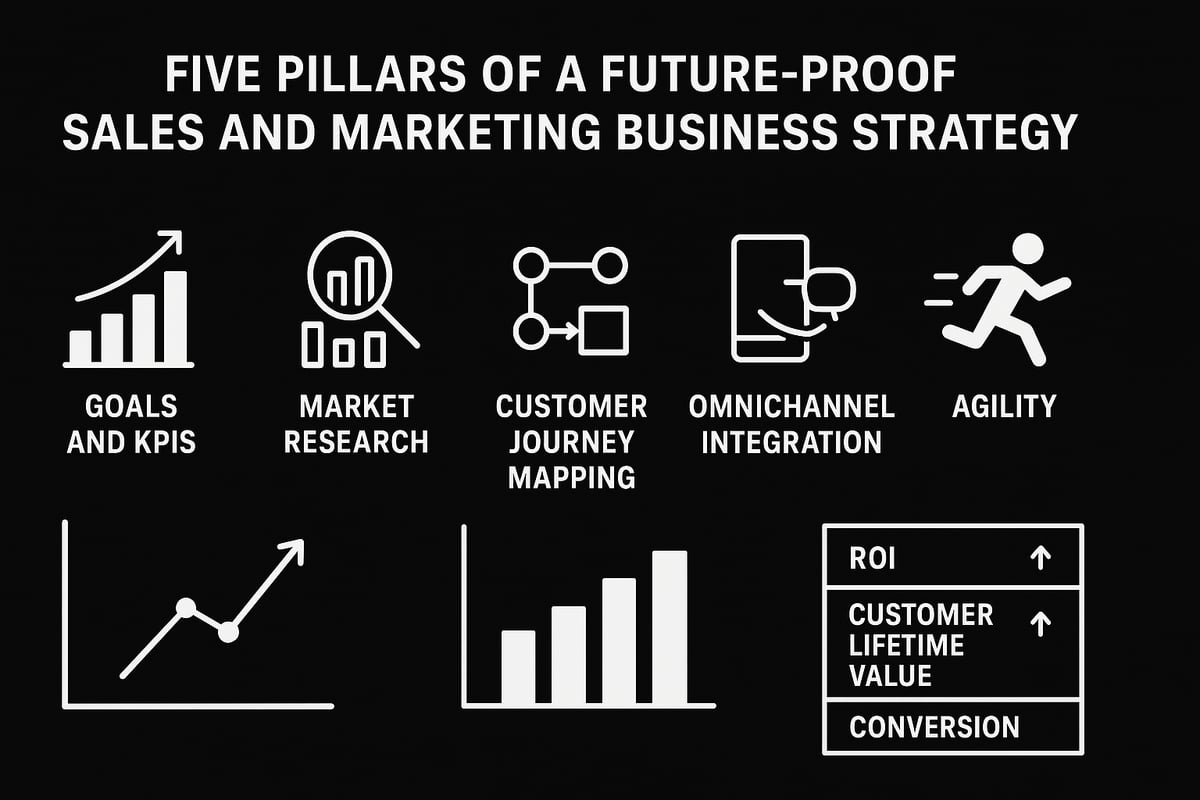
Every sales and marketing business needs clear, measurable targets to drive growth. Start by defining objectives that align with your overall vision. Use SMART goals to ensure each target is specific, measurable, achievable, relevant, and time-bound.
Align sales and marketing KPIs such as revenue, lead quality, and conversion rates. Regularly review data to adjust your approach. For example, tracking return on ad spend and cost per acquisition gives you real-time insights into campaign effectiveness.
A well-structured goal-setting process keeps teams accountable and focused. It enables your sales and marketing business to pivot quickly when market dynamics shift.
Market Research and Competitive Analysis
In-depth market research helps your sales and marketing business identify new opportunities and threats. Leverage digital tools for real-time intelligence, allowing you to benchmark against competitors and discover emerging trends.
Customer segmentation is crucial for uncovering untapped niches. Continuously update buyer personas based on evolving data. This approach ensures your strategies remain relevant.
Competitive analysis also highlights where your sales and marketing business can differentiate. Regularly assess your position using tools and industry benchmarks to maintain a competitive edge.
Customer Journey Mapping and Experience Design
Mapping the customer journey gives your sales and marketing business a holistic view of every touchpoint. Identify friction points and areas where you can enhance the user experience. Use data to design seamless interactions that build trust and loyalty.
For example, reducing website friction can significantly increase conversions. Personalization is key, with 84% of customers valuing tailored experiences.
A focus on customer journey mapping ensures your sales and marketing business delivers value at every stage, setting you apart from competitors.
Omnichannel Marketing and Sales Integration
Coordinating messaging across digital, social, email, and offline channels is essential for a modern sales and marketing business. Consistency in branding and customer experience builds trust.
Integrate CRM and marketing automation platforms to streamline operations. For a deeper dive, explore Marketing automation for business growth to see how AI-driven automation can elevate your strategy.
Tailor offers based on customer stage and channel, and measure omnichannel performance regularly. These practices ensure your sales and marketing business meets customers wherever they are.
Agility and Adaptation in a Rapidly Changing Market
An agile sales and marketing business can quickly respond to industry shifts. Build flexibility into your strategies by encouraging experimentation and rapid iteration. Use real-time analytics to guide decision-making and pivot campaigns as trends emerge.
Ongoing learning and professional development are vital. Empower your team to adapt, embracing change as a growth opportunity.
A culture of agility ensures your sales and marketing business remains resilient, innovative, and ready for whatever comes next.
Leveraging Technology and Automation for Growth
In the rapidly evolving sales and marketing business, technology and automation are the engines of growth. Companies that embrace innovation are outpacing competitors, adapting faster, and delivering superior customer experiences. As we look to 2026, digital transformation is no longer optional but essential for success.
Harnessing AI and Machine Learning
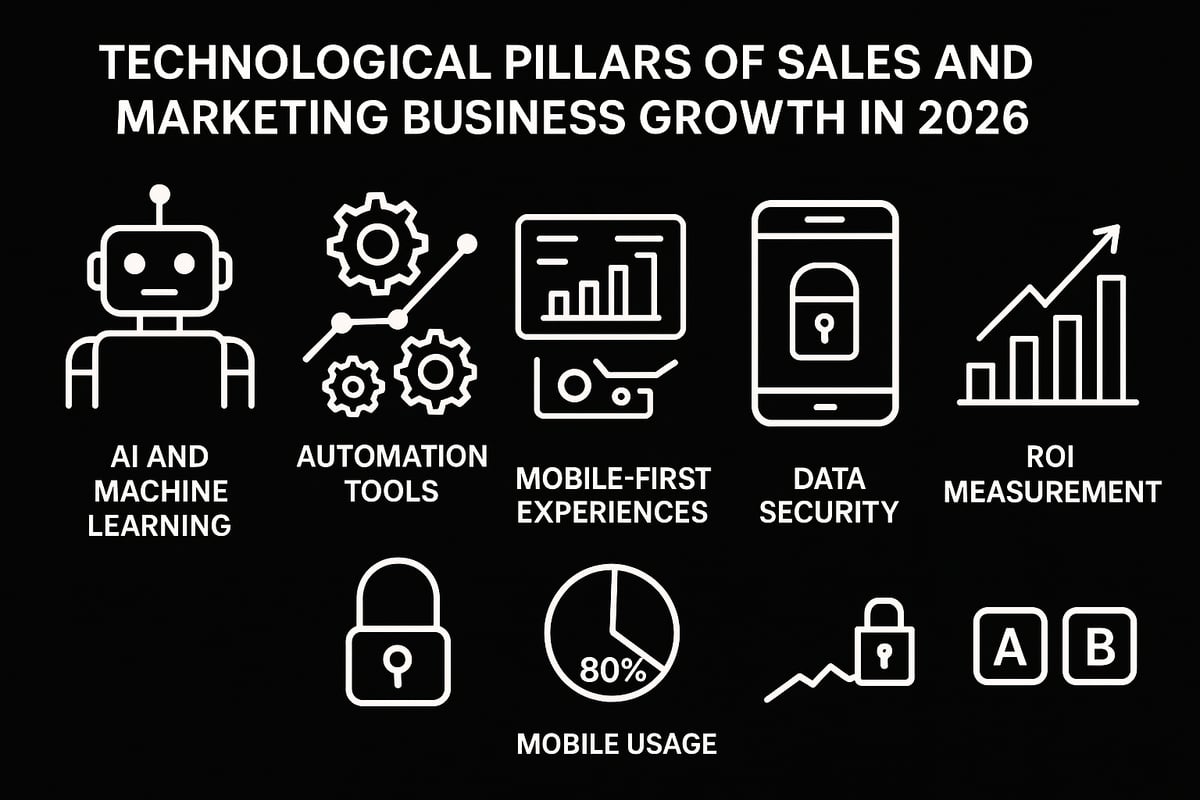
Artificial intelligence is transforming every aspect of the sales and marketing business. AI-driven lead scoring and segmentation enable teams to target the right prospects with precision. Predictive analytics help forecast sales trends and optimize marketing campaigns for maximum impact.
AI-powered chatbots and virtual assistants now handle initial customer queries, freeing up human resources for high-value interactions. Content personalization, powered by AI, delivers tailored product recommendations that increase engagement and conversions. According to AI adoption in sales and marketing, businesses leveraging these technologies see measurable gains in efficiency and performance.
In 2026, integrating machine learning tools is not just a competitive advantage but a necessity for a thriving sales and marketing business.
Sales and Marketing Automation Tools
Automation is the backbone of a scalable sales and marketing business. Leading CRM and marketing automation platforms streamline processes, from capturing leads to managing customer relationships. Repetitive tasks like email campaigns, follow-ups, and scheduling can be automated, allowing teams to focus on strategy and creativity.
Workflow automation supports lead nurturing and pipeline management, ensuring that no opportunity falls through the cracks. For example, automated abandoned cart emails can significantly boost conversions. Measuring the ROI of automation investments is vital, as it helps prioritize tools that deliver the greatest value.
By embracing automation, the sales and marketing business can achieve higher productivity and more predictable results.
Enhancing Mobile and Digital Experiences
The sales and marketing business must prioritize mobile-first strategies in 2026. With 98 percent of global users accessing the internet via mobile devices, a responsive, user-friendly website is essential. Personalizing content and offers for mobile users ensures that every touchpoint is relevant and engaging.
Streamlined checkout and lead capture processes reduce friction, improving conversion rates. Mobile apps and push notifications offer direct channels to customers, encouraging repeat engagement. Adapting digital experiences for mobile is no longer a trend but a standard expectation.
A mobile-optimized sales and marketing business is positioned to capture and retain customer attention in a crowded digital landscape.
Data Security and Compliance
In the digital era, data security is a cornerstone of trust for any sales and marketing business. Organizations must comply with regulations like GDPR and CCPA while implementing robust data collection and storage practices. Transparent policies build confidence and foster long-term relationships with customers.
Consent management tools help ensure marketing efforts respect privacy preferences. Training teams on security best practices is vital to prevent breaches and maintain compliance. Secure handling of customer data not only protects the business but also enhances brand reputation.
Staying proactive in data security is essential for sustainable growth in the sales and marketing business.
Measuring and Optimizing Technology ROI
Tracking the return on investment from technology is crucial for the sales and marketing business. Performance metrics should be monitored regularly using dashboards and analytics platforms. Conducting tech stack audits identifies inefficiencies and opportunities for consolidation.
A B testing and analytics reveal what strategies drive the best results, supporting data driven decision making. For example, comparing conversion rates before and after implementing new tools demonstrates tangible value. Aligning technology investments with business goals ensures maximum impact and continuous improvement.
By focusing on ROI, the sales and marketing business can adapt quickly and maintain a competitive edge.
Mastering Personalization and Customer-Centric Approaches
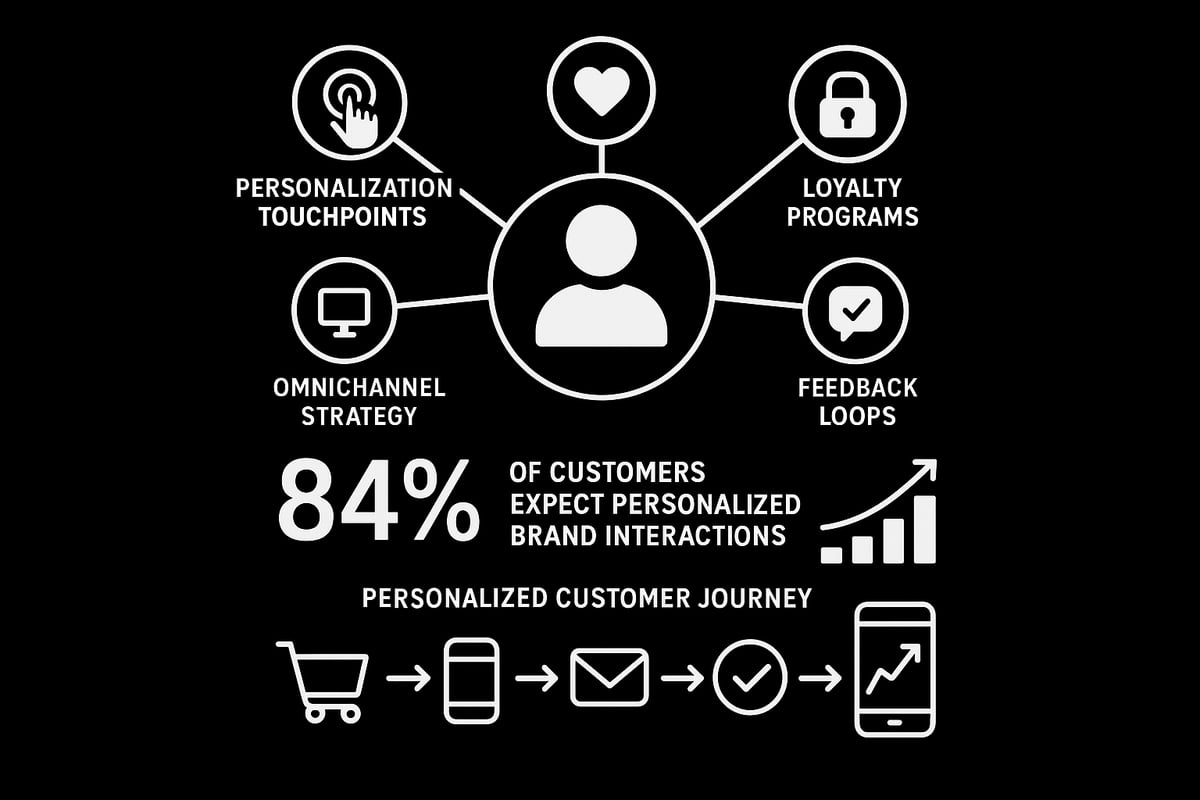
Personalization and customer-centricity are now the backbone of every high-performing sales and marketing business. As technology evolves, understanding and anticipating each customer’s needs is crucial for gaining a competitive edge. In 2026, businesses that prioritize tailored experiences and build trust will foster deeper relationships, drive loyalty, and achieve sustainable growth.
The Power of Personalization in 2026
Delivering the right message to the right person at the right time defines a modern sales and marketing business. In 2026, advanced data analytics and AI enable brands to offer hyper-personalized experiences that span every stage of the customer journey. Businesses use behavioral triggers, purchase history, and preferences to recommend products or services.
Personalization is no longer optional. According to recent data, 84% of customers expect brands to interact with them in a personalized way. Companies that excel here see increased engagement and higher conversion rates. For actionable tips on enhancing personalization and customer experience, visit Personalization and customer experience tips.
Personalization benefits include:
Tailored content and offers
Real-time product recommendations
Improved satisfaction and retention
Building Customer Loyalty and Advocacy
A thriving sales and marketing business goes beyond transactions, focusing on building long-term loyalty and advocacy. Loyalty programs, exclusive offers, and personalized rewards encourage repeat purchases and foster emotional connections. When customers feel valued, they are more likely to become brand advocates, sharing positive experiences within their networks.
Encouraging user-generated content, referrals, and authentic reviews further strengthens trust. Brands with active loyalty initiatives report higher customer lifetime value and improved retention rates. Exceptional post-sale support is also key, turning satisfied buyers into vocal supporters.
Key strategies include:
Launching tiered loyalty programs
Rewarding referrals and feedback
Providing dedicated customer support
Feedback Loops and Continuous Improvement
For a sales and marketing business, evolving with customer needs is essential. Establishing feedback loops across all channels allows companies to collect, analyze, and act on customer insights. Tools like surveys, Net Promoter Score (NPS), and social listening platforms help identify strengths and areas for improvement.
Continuous iteration based on real feedback drives innovation and optimizes the customer journey. Teams should regularly review campaign performance and adjust messaging or offerings to better align with audience expectations.
Best practices for feedback-driven growth:
Gather input from multiple touchpoints
Share findings across teams
Implement changes and measure impact
Omnichannel Personalization Strategies
Seamless experiences across digital, social, email, and mobile channels are the hallmark of a modern sales and marketing business. Omnichannel personalization ensures that customers receive consistent, relevant messaging wherever they interact with your brand. Dynamic content adapts to each user’s preferences, behavior, and device.
A coordinated approach amplifies impact. For example, a personalized abandoned cart email can be paired with a retargeting ad, increasing the chances of conversion. Measuring the effectiveness of omnichannel campaigns is vital for optimizing spend and maximizing ROI.
Omnichannel tactics:
Channel | Personalization Example |
|---|---|
Behavior-based content | |
Web | Dynamic landing pages |
Social | Targeted promotions |
Mobile | Push notifications |
Overcoming Personalization Challenges
While personalization is powerful, a sales and marketing business must balance customer benefits with privacy concerns. Managing data quality and integration across platforms is complex. Over-personalization can lead to customer fatigue or even regret, so frequency caps and thoughtful messaging are crucial.
AI helps scale personalization without sacrificing the human touch, but transparency about data usage builds trust. Teams should stay informed about regulations and adapt strategies as needed to maintain compliance and credibility.
Tips for overcoming challenges:
Prioritize data security and consent
Limit message frequency to avoid fatigue
Use analytics to refine personalization efforts
Data-Driven Decision Making and Performance Optimization
Making informed choices is essential for every sales and marketing business aiming to outperform competitors in 2026. Data-driven strategies empower leaders to optimize performance, allocate resources wisely, and drive measurable growth. This section explores how to systematically track, analyze, and act on data for lasting success.
Tracking and Measuring Key Metrics
Success in any sales and marketing business starts with tracking the right metrics. Focus on KPIs such as conversion rates, cost per lead, and customer acquisition cost. Dashboards and analytics platforms provide a real-time overview, making it easier to spot trends.
Metric | Purpose | Example Tool |
|---|---|---|
Conversion Rate | Track lead-to-customer ratio | Google Analytics |
Cost Per Lead | Assess lead generation costs | CRM Platform |
Customer Acquisition Cost | Measure efficiency | Attribution Software |
For actionable measurement, explore lead generation strategies for businesses to refine your approach and boost performance. Regularly reviewing these metrics keeps your sales and marketing business aligned with its objectives.
ROI Analysis and Budget Allocation
Understanding ROI is crucial for any sales and marketing business looking to maximize profitability. Calculate the return on investment for each campaign, channel, and tactic. Use data-driven forecasts to allocate budgets where they generate the most value.
Shift spending toward high-performing channels as insights emerge. Attribution models help you see which touchpoints influence conversions. Businesses that meticulously track ROI consistently outperform peers in efficiency and growth.
A/B Testing and Experimentation
A culture of experimentation drives optimization in a sales and marketing business. A/B testing allows you to compare variations of headlines, CTAs, and creative assets to see what resonates. Run controlled experiments and document results for future reference.
For example, test email subject lines to increase open rates or landing page designs to improve conversions. Scaling successful tests across the organization leads to incremental gains and continuous improvement.
Integrating Sales and Marketing Analytics
Unified analytics are foundational for a future-ready sales and marketing business. Collect data from all sources into integrated dashboards for a complete view of the customer journey. Align reporting structures between sales and marketing teams to identify bottlenecks and opportunities.
Integrated analytics highlight gaps and reveal collaboration points. With shared insights, both functions can work together to optimize the end-to-end funnel, ensuring every action is backed by data.
Forecasting and Planning for Growth
Predictive analytics enable a sales and marketing business to forecast revenue and plan strategically. Use scenario planning and risk assessments to anticipate market shifts. Modeling the impact of new product launches helps in setting ambitious, achievable goals.
Adjust strategies based on changing data trends for agility. Regular planning sessions ensure your team stays ahead of competitors and capitalizes on emerging opportunities in a dynamic market.
Future-Proofing Your Sales and Marketing Team
Building a resilient sales and marketing business for 2026 requires strategic investment in people, mindset, and culture. Modern teams must adapt quickly, learn new technologies, and embrace diversity to stay ahead of the curve.
Developing Skills for the Digital Age
The foundation of a future-ready sales and marketing business is a team equipped with digital and analytical skills. Upskilling in AI, data analysis, and automation tools is now essential, not optional. In fact, companies that invest in AI see measurable gains, as highlighted by AI's role in online sales growth.
Encourage cross-functional learning. For example, train sales staff to use marketing automation platforms, and marketers to interpret sales analytics. Foster a growth mindset by supporting ongoing professional development and certifications. This approach ensures your sales and marketing business is agile, data-savvy, and ready for emerging trends.
Building a Culture of Innovation and Agility
A thriving sales and marketing business depends on a culture that values experimentation and rapid adaptation. Encourage teams to test new ideas, take calculated risks, and learn from both successes and failures.
Implement agile methodologies in campaign planning and execution. Use feedback loops for continuous improvement, and recognize innovative contributions. When teams embrace change, the sales and marketing business can quickly pivot in response to shifting consumer behaviors or new technologies. This adaptability is essential for long-term competitiveness.
Leadership and Change Management
Strong leadership is critical for guiding your sales and marketing business through digital transformation. Leaders must clearly communicate a shared vision, align team objectives, and provide the resources needed for success.
Change can be challenging, so managing resistance is key. Involve teams in decision-making, and celebrate early wins to build momentum. When leadership goals match team objectives, the sales and marketing business becomes more unified and resilient during transitions. Prioritize transparent communication and ongoing support throughout the process.
Diversity, Equity, and Inclusion in Sales and Marketing
Diversity, equity, and inclusion are vital for a future-proof sales and marketing business. Diverse teams bring broader perspectives, drive creativity, and help businesses connect with a wider audience.
Ensure messaging and campaigns are inclusive and reflect diverse customer segments. For example, adapt content for different cultures and backgrounds. Measure the impact of DEI initiatives using clear metrics, such as campaign engagement rates by demographic. By fostering an environment where all voices are valued, your sales and marketing business is better positioned for innovation and sustainable growth.
Step-by-Step Roadmap to Sales and Marketing Success in 2026
Achieving sustained growth in a competitive sales and marketing business environment requires a clear, actionable roadmap. By following these five essential steps, organizations can position themselves for long-term success in 2026 and beyond.
Step 1: Align Sales and Marketing Teams
Start by establishing shared goals, common KPIs, and clear definitions for your sales and marketing business. Open communication is key, so schedule regular collaboration sessions between teams.
Hold joint planning meetings
Develop integrated reporting dashboards
Use shared terminology and objectives
Breaking down silos ensures both teams work toward unified revenue targets, making your sales and marketing business more agile and effective.
Step 2: Invest in the Right Technology
Selecting the right mix of CRM, automation, and analytics tools is crucial for a modern sales and marketing business. Prioritize solutions that are mobile-first and enhanced by AI capabilities.
Evaluate platforms for scalability and integration
Implement AI-driven lead scoring and chatbots
Schedule periodic tech stack reviews
Staying current with technology helps your sales and marketing business adapt quickly to market shifts and customer expectations.
Step 3: Prioritize Customer Experience and Personalization
Mapping the customer journey and identifying key touchpoints is fundamental for any sales and marketing business aiming for growth. Personalize messaging, offers, and support using behavioral and demographic data.
Keep in mind, while personalization can increase satisfaction, it may also amplify customer regret if not executed thoughtfully. According to Personalization and customer regret, thoughtful personalization strategies are essential for positive outcomes.
Continuously gather feedback and refine each interaction to build lasting trust in your sales and marketing business.
Step 4: Embrace Data-Driven Optimization
Data-driven decision-making is vital for a high-performing sales and marketing business. Set up real-time dashboards to monitor KPIs, and run A/B tests to optimize every stage of your funnel.
Track conversion rates and cost per lead
Test landing pages and campaign elements
Allocate resources based on performance insights
With a data-first approach, your sales and marketing business can scale what works and pivot quickly when needed.
Step 5: Foster a Culture of Agility and Innovation
Encourage learning, experimentation, and rapid adaptation within your sales and marketing business. Empower teams to respond to market changes and emerging trends with confidence.
Offer ongoing training and professional development
Reward creative solutions and calculated risks
Promote agile methodologies for campaigns
By nurturing a culture of innovation, your sales and marketing business remains resilient and ready for whatever the future holds.
You've seen how mastering AI-driven lead generation, automation, and data-backed strategies can make all the difference for sales and marketing success in 2026. If you're ready to put these insights into action and accelerate your business growth, let's talk about your unique challenges and opportunities. Together, we can design a roadmap tailored to your goals—so you can save time, boost revenue, and stay ahead of the competition. Curious how The Social Search can help you future proof your sales and marketing? Book a free consultation and take the next step toward sustainable success.