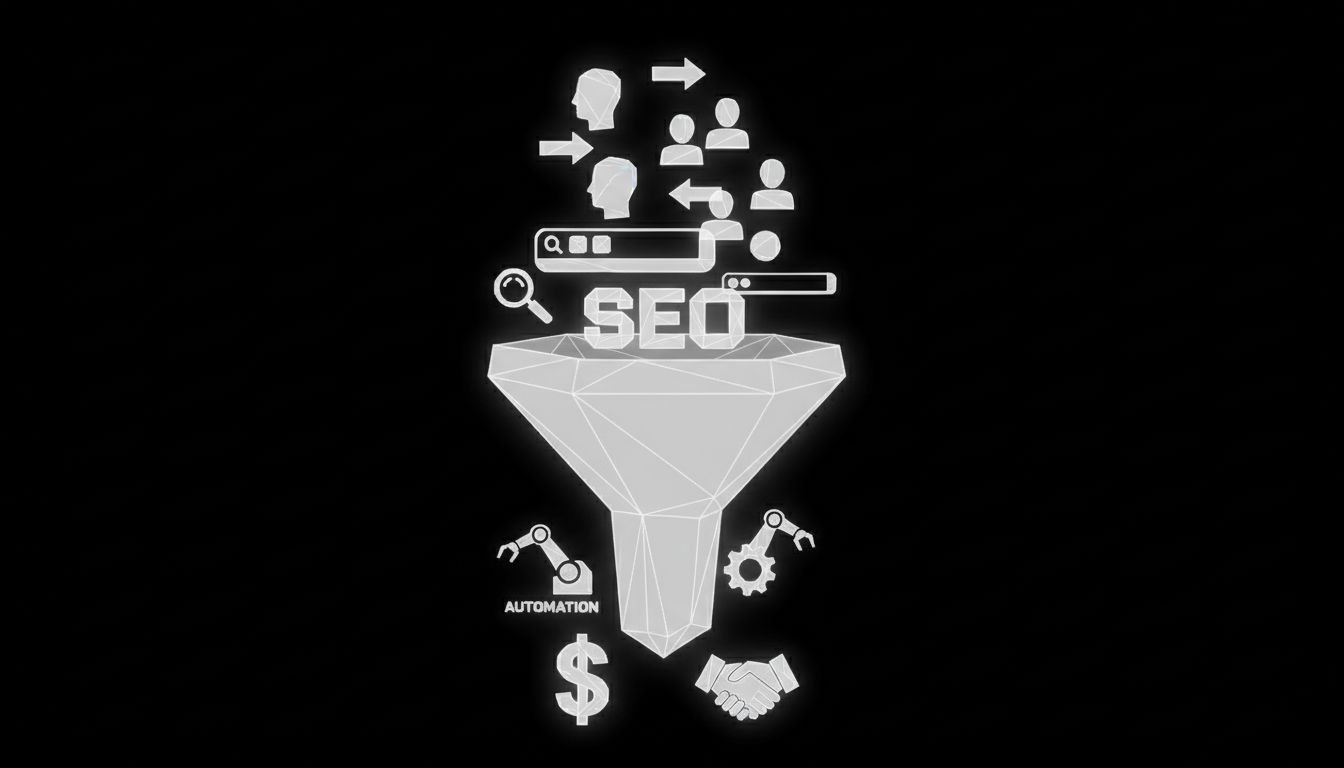
What Is Inbound Marketing? A Practical Guide to Leads, SEO, and Automation
Learn what inbound marketing is, how it attracts qualified leads with content and SEO, and how to build a strategy that converts and retains customers.
If you have ever wondered what is inbound marketing, the simplest answer is that it is a way of attracting people with useful content instead of chasing them with interruption. It is built around helping the right audience find answers, trust your brand, and move toward a purchase on their own terms. For lead generation teams, SaaS brands, agencies, and service businesses, inbound marketing creates a pipeline that can keep working long after a campaign launches.
That matters even more now, because buyers search, scroll, compare, and ask AI tools for recommendations before they ever speak to sales. A strong inbound system meets them in those moments with helpful content, clear offers, and a smooth path from curiosity to conversion.
What inbound marketing really means
Inbound marketing is a customer-centric methodology that uses valuable content and experiences to draw prospects toward your business. Instead of starting with a pitch, it starts with a problem, a question, or a goal your audience already has.
At its core, inbound marketing does four things well:
It earns attention through relevance.
It builds trust before the sales conversation.
It converts interest into qualified leads.
It supports long-term customer relationships, not just one-time clicks.
Think of it as a system, not a single channel. Blog posts, SEO, social media, video, email nurturing, chat tools, and even paid distribution can all support inbound when they are built around education and value.
Why inbound marketing still works for lead generation
Inbound marketing works because modern buyers prefer to research on their own. They want proof, clarity, and control. That is especially true in B2B, high-consideration services, and any category where trust matters.
Here is why it continues to perform:
It attracts better-fit traffic.
People who find your content through search or social are usually already interested in the topic.It compounds over time.
A useful article, landing page, or video can keep generating traffic and leads for months or years.It improves conversion quality.
When someone has already learned from your content, they are usually more prepared to buy.It supports every stage of the funnel.
Inbound does not stop at awareness. It can nurture leads, close sales, and improve retention.It works with automation.
Modern inbound systems can use AI chat, CRM workflows, and lead routing to respond faster without losing the human touch.
If your business relies on a steady flow of inbound leads, it is worth connecting content with systems that keep the pipeline moving. For example, automated SEO helps your pages stay discoverable, while automated lead generation can make sure prospects are captured and followed up quickly.
Inbound marketing vs outbound marketing
Inbound and outbound both have a place, but they work very differently.
Aspect | Inbound marketing | Outbound marketing |
|---|---|---|
Approach | Pulls people in with helpful content | Pushes messages out to a broad audience |
Audience | Self-selected, intent-driven | Often interrupted, less intent-driven |
Speed | Slower to start, stronger over time | Faster to launch, usually shorter-lived |
Cost | Lower cost per lead over time | Higher ongoing spend in many cases |
Best use | Trust-building, lead nurturing, demand capture | Quick reach, promotions, awareness bursts |
Strength | Builds authority and compounding traffic | Can create immediate visibility |
Weakness | Needs consistency and patience | Can feel intrusive and expensive |
The best growth plans usually combine both. Inbound builds trust and demand, while outbound or paid media can amplify the right offers at the right time.
How the inbound marketing funnel works

Most inbound strategies follow a simple framework: attract, engage, and delight. That model still works because it mirrors how people actually buy.
Attract
This is the stage where you earn attention from the right audience. Your goal is not just traffic, it is relevant traffic.
Common attract tactics include:
SEO-driven blog content
educational landing pages
short-form video
social posts and carousels
how-to guides
comparison articles
resource hubs
This is where content quality and discoverability matter most. If your team is publishing frequently, automated social media can help repurpose content across channels without making your brand sound robotic.
You can also use Meta or TikTok ads here, but the angle should still feel helpful. For example, instead of promoting a hard sell, promote a guide, checklist, webinar, or free audit that solves a real problem.
Engage
Engagement happens when a visitor becomes an active prospect. They click, subscribe, download, reply, or start a conversation.
Good engagement assets include:
lead magnets
webinars
email sequences
product comparisons
case studies
interactive calculators
AI chat widgets
This is where automated AI chat agents can make a real difference. A good chatbot does more than greet visitors. It qualifies intent, answers common questions, routes leads to the right person, and keeps response times short.
Paid campaigns can support this stage too. A well-targeted ad on Meta or TikTok can drive high-intent traffic to a valuable offer, especially when you are retargeting people who already visited your site or watched your content.
Delight
Delight is what keeps inbound from becoming a one-and-done lead capture machine. After the first conversion, the goal is to create a better customer experience so people stay, buy again, and refer others.
Delight tactics include:
onboarding emails
knowledge base articles
customer success content
tutorials and walkthroughs
personalized follow-up
loyalty offers
feedback requests
This is where a solid CRM workflow matters. If you want to connect inbound leads with sales and customer success more effectively, what CRM in marketing means is worth understanding because it turns scattered activity into a trackable customer journey.
Real-world inbound marketing examples

Inbound marketing looks different depending on the business model, but the principle stays the same: teach, help, and guide the next step.
B2B SaaS example
A SaaS company publishes search-optimized articles that answer questions like how to automate reporting, how to choose a CRM, or how to reduce lead response time. Those posts lead to comparison pages, free trials, and demo requests. Over time, the company builds a content engine that generates qualified leads without relying only on cold outreach.
Ecommerce example
An ecommerce brand creates buying guides, gift guides, product tutorials, and short videos that answer common questions before purchase. It also uses email flows to educate first-time buyers, recommend products, and recover abandoned carts. The content feels useful, not pushy, which makes it easier to convert browsers into customers.
Local service example
A home services company publishes pages about pricing, service areas, common problems, and what to expect during a visit. It pairs that with FAQs, review content, and local SEO. A prospect searching for help finds the company at the exact moment they need a solution.
Agency or consultant example
An agency creates case studies, webinars, audit offers, and thought leadership content for decision-makers. Instead of saying, “Hire us now,” the content says, “Here is how to solve this problem.” That approach builds authority and makes sales conversations easier.
How to build an inbound marketing strategy step by step
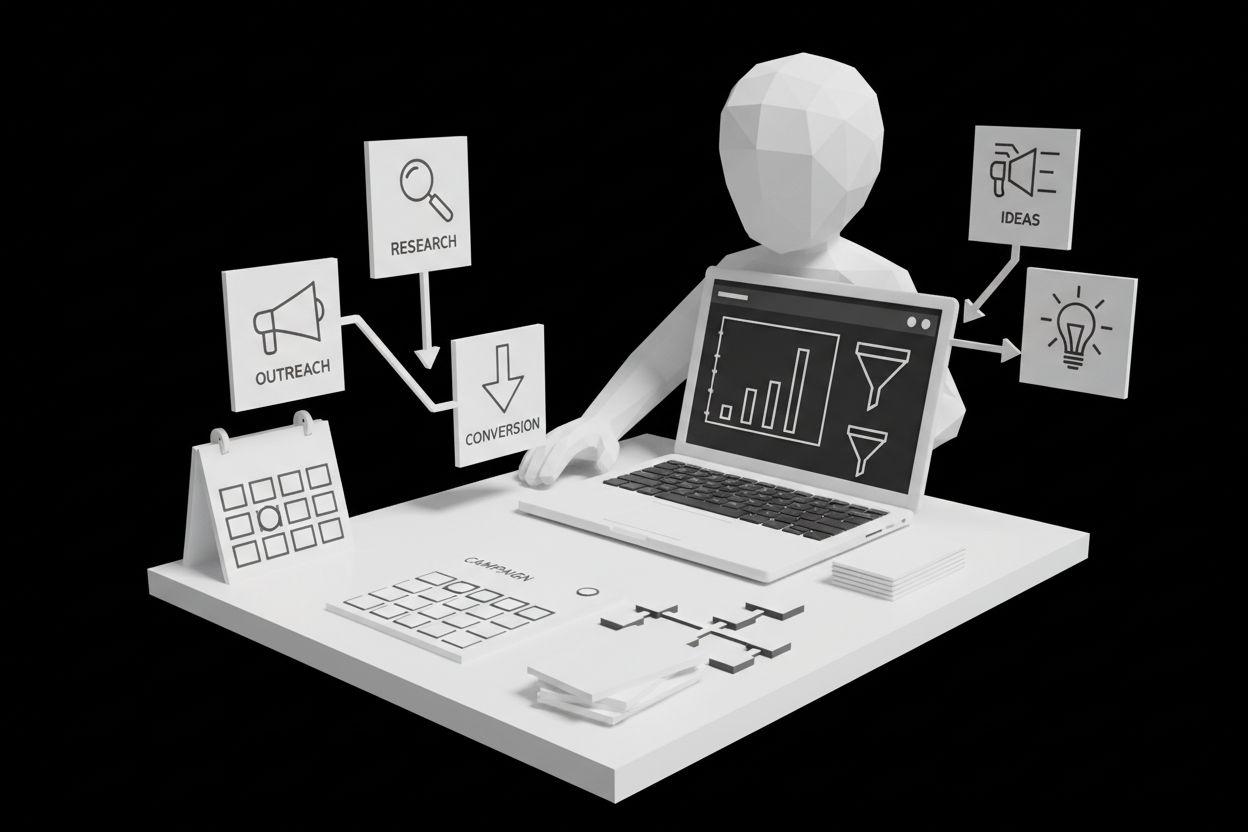
A good inbound plan does not start with content volume. It starts with clarity.
1. Define your buyer personas
Be specific about who you want to attract. What industry are they in, what problems do they face, what triggers a search, and what keeps them from buying? The more specific the persona, the easier it is to create content that converts.
2. Map the customer journey
Identify what people need to know at each stage of the journey. Someone at the awareness stage needs education. Someone comparing options needs proof. Someone ready to buy needs confidence and convenience.
3. Build content by funnel stage
Use content intentionally instead of randomly.
Top of funnel
blog posts
short videos
educational social content
checklists
explainers
Middle of funnel
webinars
guides
comparison pages
case studies
email nurture content
Bottom of funnel
demos
pricing pages
consultations
free trials
proposal pages
Post-purchase
onboarding content
tutorials
help articles
FAQs
upsell education
4. Create strong lead capture offers
People rarely hand over an email address for generic content. They do it for something valuable, specific, and useful. That could be a template, audit, calculator, playbook, or webinar.
If your team wants to turn more visitors into leads, automated lead generation can help connect forms, routing, and follow-up so you do not lose interest after the first click.
5. Set up nurturing and follow-up
Once a lead enters your system, do not leave them hanging. Use email sequences, segmentation, chat follow-up, and CRM workflows to keep the conversation going. Good nurturing is educational, timely, and relevant.
6. Distribute content where your audience already spends time
SEO, social media, email, communities, and paid amplification all have a role. The key is consistency. If a topic is important enough to write about, it is usually important enough to turn into a post, reel, carousel, email, and retargeting ad.
7. Measure and improve
Inbound marketing is not a set-it-and-forget-it system. Review what attracts traffic, what converts, and what produces revenue. Then double down on the topics and channels that work.
Best inbound marketing tactics for modern teams
If you want inbound to support lead generation in a practical way, these are the tactics that matter most.
1. SEO that matches buyer intent
Do not chase keywords only because they have volume. Target the terms people search when they are trying to solve a problem, compare options, or choose a provider. That is how organic traffic becomes pipeline.
2. Social content built for discovery
Short-form content is often the first touchpoint. Use social posts to answer questions, share proof, and start conversations. AI can speed up repurposing, but the ideas should still come from real customer questions and sales calls.
3. AI chat agents that qualify leads faster
A smart chatbot can ask qualifying questions, book meetings, answer FAQs, and send the right lead to the right team. That matters when speed to lead affects conversion.
4. Email nurturing that respects the buyer
The best nurture sequences are useful. They do not just repeat the same sales message. They help the lead move through the funnel with content that fits the stage they are in.
5. Paid ads that amplify helpful assets
Meta and TikTok ads do not have to be purely outbound. When you use them to promote a guide, webinar, case study, or free resource, they become part of an inbound system. They can accelerate reach while keeping the offer valuable.
6. Sales enablement content
Sales teams convert better when they have articles, comparison sheets, objection-handling pages, and case studies they can send to prospects. Inbound content helps after the first click too.
Metrics to track so you know it is working
Traffic alone does not tell the full story. Inbound marketing should be measured by how well it turns attention into business outcomes.
Track these metrics regularly:
organic traffic
keyword rankings for target pages
conversion rate by page
lead volume by channel
MQLs and SQLs
lead-to-customer rate
cost per lead
customer acquisition cost
email open and click rates
chatbot conversion rate
repeat visits
customer retention and lifetime value
A useful rule of thumb is this: if a page gets traffic but no leads, it needs a better offer, a better CTA, or a better match to search intent.
Common inbound marketing mistakes
A lot of inbound programs fail for the same reasons. The good news is that most of them are fixable.
Creating content without a clear audience. If you write for everyone, you usually help no one.
Chasing traffic instead of leads. Views are nice, but leads pay the bills.
Skipping the CTA. Every useful page should tell the reader what to do next.
Ignoring nurture. Captured leads still need follow-up.
Publishing without distribution. Great content that nobody sees will not drive growth.
Using AI without editing. Automation helps speed, but your brand still needs a human point of view.
Forgetting sales feedback. Your sales team knows which questions prospects ask most often. Use that insight.
Frequently asked questions
What is inbound marketing in simple terms?
It is a strategy that attracts customers by giving them helpful content and experiences instead of interrupting them with hard-sell messages.
What are some inbound marketing examples?
Examples include SEO blog posts, social videos, lead magnets, webinars, email nurturing, comparison pages, case studies, and chatbot qualification.
Is inbound marketing the same as content marketing?
Not exactly. Content marketing is a major part of inbound marketing, but inbound also includes conversion paths, lead nurturing, CRM, and customer experience.
How long does inbound marketing take to work?
Some tactics, like paid distribution or social campaigns, can drive traffic quickly. SEO and organic content usually take longer, but they often compound and produce better long-term results.
Can paid ads be part of inbound marketing?
Yes, if they promote helpful resources rather than just pushing a sale. Meta and TikTok ads can support inbound by sending people to useful content, offers, or lead magnets.
What tools do you need for inbound marketing?
Most teams use an SEO tool, a CMS, email marketing software, analytics, a CRM, and sometimes AI chat or automation tools to keep the process moving.
The bottom line
Inbound marketing works because it matches how people buy now. They search, compare, ask questions, and look for proof before they commit. If your content answers those questions well, and your system captures and nurtures interest, you create a pipeline that is more durable than one-off campaigns.
The best inbound programs are simple to understand and hard to ignore. They start with a real customer problem, use content to build trust, and rely on automation to keep the process efficient. When you combine SEO, social media, AI chat, email, and selective paid amplification, inbound becomes more than a marketing buzzword. It becomes a growth system.