What Is Digital Marketing and SEO? A Beginner-Friendly Guide to How They Work Together
Learn what digital marketing and SEO are, how they differ, and how to combine both to grow traffic, leads, and long-term revenue for your business online.
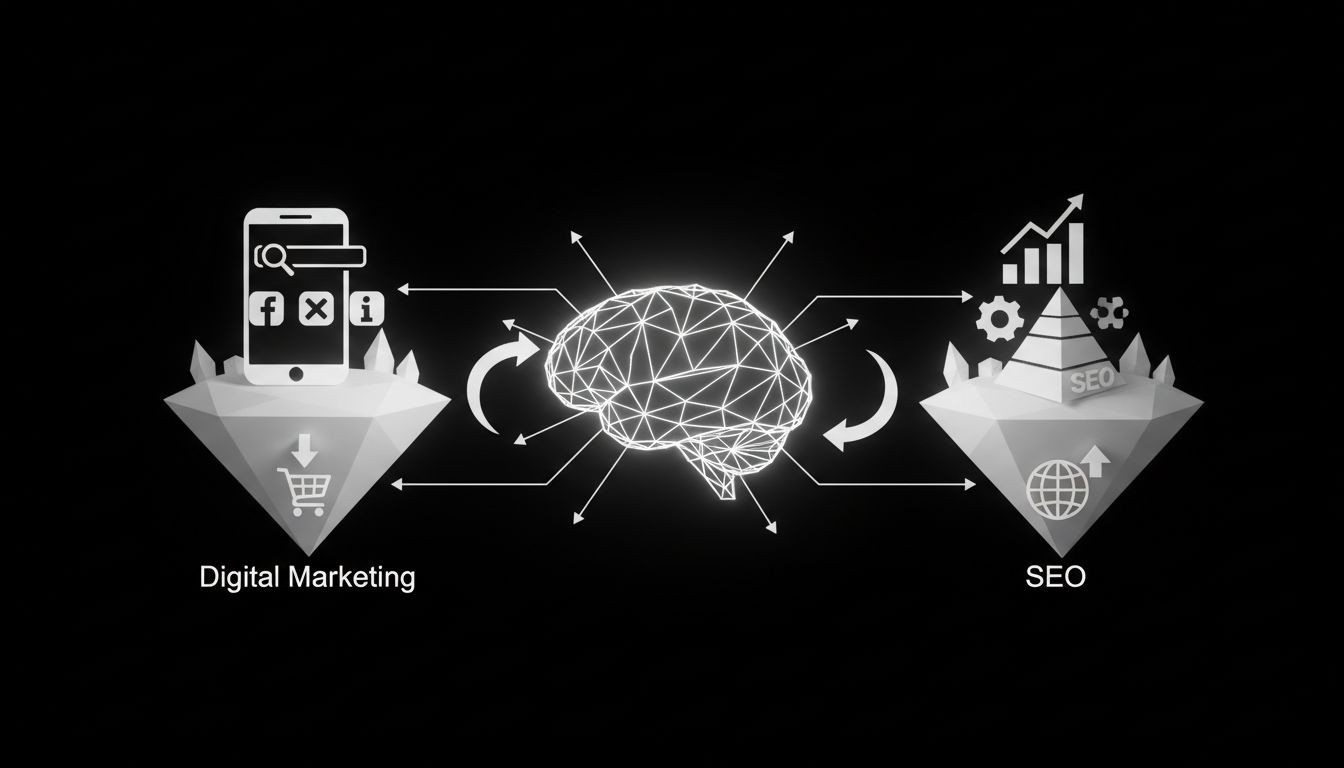
If you are asking what is digital marketing and SEO, the simplest answer is that digital marketing is the full online growth system, while SEO is one of its most important channels. Digital marketing helps you reach people through search, social, email, websites, paid ads, and automation. SEO helps the right people find you organically when they are already looking for something you offer. Used together, they create a stronger path from attention to lead to sale. (hubspot.com)
What digital marketing really means
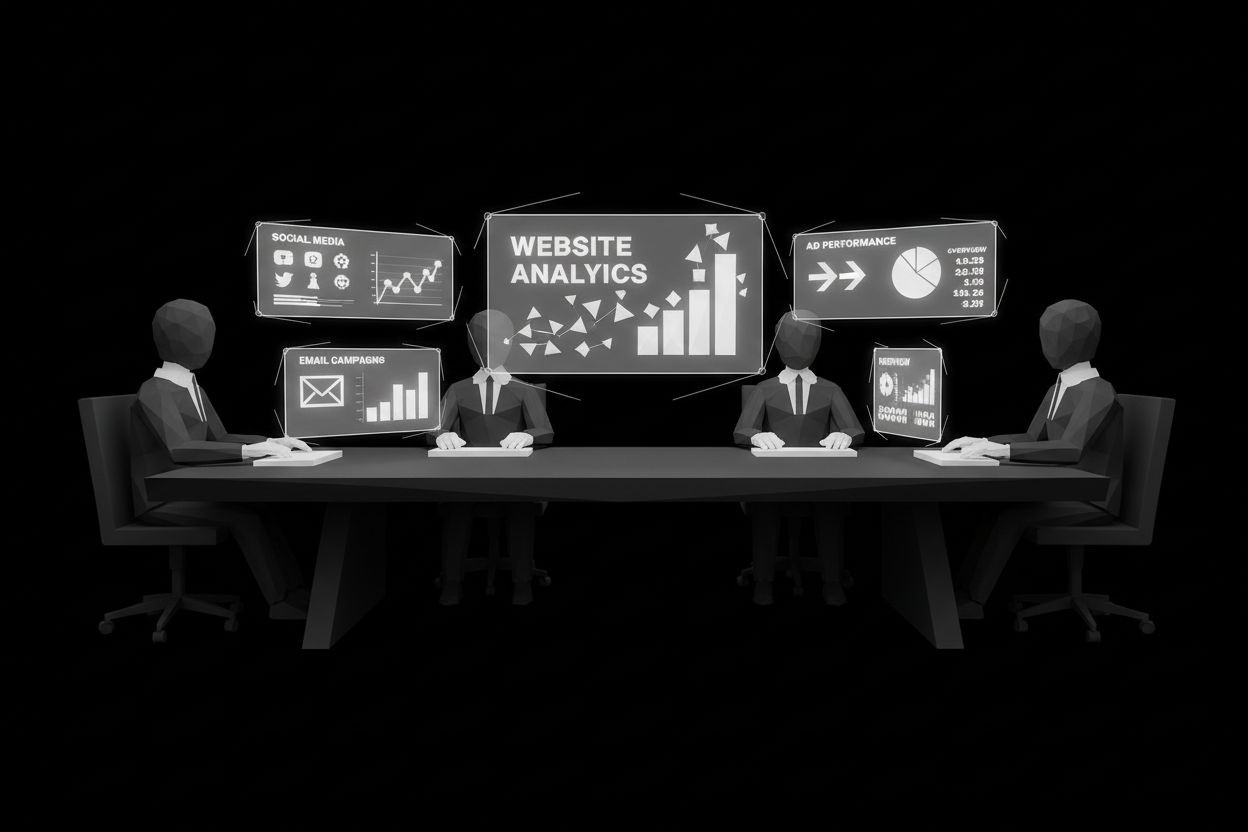
Digital marketing is the umbrella term for all the online ways a business promotes itself. That includes a website, content, search, email, social media, online ads, and tools that help automate repetitive work. The big advantage is that each channel can be measured, adjusted, and connected to a clear business goal. (hubspot.com)
For lead generation, this matters a lot. A strong digital marketing system does not just create traffic. It also guides visitors into the next step, whether that is booking a call, requesting a quote, joining a list, or starting a conversation with your brand. If social content is part of your plan, an automated social media workflow can help you stay consistent without letting posting fall behind.
What SEO really means
SEO, or search engine optimization, is about helping search engines understand your content and helping users find your site when they search. Google’s own guidance says SEO is about improving your site’s presence in Search, not finding shortcuts that force rankings. It is a long game built on useful content, clear structure, and a site that is easy to crawl and use. (developers.google.com)
At the practical level, SEO usually includes on-page optimization, technical improvements, internal linking, content strategy, and authority building. It is one of the most durable ways to earn demand because it meets people at the moment of intent, before they are ready to compare vendors or fill out a form. If you want that layer handled more systematically, an automated SEO process can keep the work moving in the background while your team focuses on sales and delivery.
Google also recommends helpful, people-first content and good page experience. Core Web Vitals measure loading, responsiveness, and visual stability, and Google advises aiming for LCP within 2.5 seconds, INP under 200 milliseconds, and low CLS. (developers.google.com)
SEO vs digital marketing: the clean distinction
Here is the simplest way to separate them.
Area | SEO | Digital marketing |
|---|---|---|
Main job | Earn visibility in organic search | Use online channels to attract, nurture, and convert customers |
Time horizon | Builds over time | Can include both fast and long-term channels |
Core assets | Pages, content, links, technical setup | Website, content, email, social, ads, automation |
Best use | Capture existing search demand | Create, capture, and convert demand |
Digital marketing is the whole system. SEO is one channel inside it. Paid search is another. Social, email, and landing pages are others. If you also want to understand how paid search fits in, our guide to SEO vs SEM: choose and combine to maximize ROI is a useful next read. Google Ads also separates organic results from paid search results, which is why the two channels should be planned together instead of treated as the same thing. (hubspot.com)
If you are running Meta or TikTok ads, the same idea still applies. SEO is the slower demand-capture layer, while ads can accelerate exposure and retargeting. The strongest marketing plans use both instead of forcing one channel to do every job.
How SEO fits into a full-funnel growth system
SEO is the front door for many buyers. Someone searches a problem, lands on a helpful page, and then decides whether your brand feels credible enough to keep exploring. Digital marketing takes over from there by moving that visitor through the rest of the journey with landing pages, email nurture, remarketing, and sales follow-up. Google Ads documentation also makes it clear that paid search is built around keywords and user intent, while organic search results are unpaid. That is why SEO and ads often work best as a pair. (support.google.com)
This is where automated lead generation becomes useful. Instead of waiting for visitors to figure out the next step on their own, you can route them into a cleaner path with forms, calendars, chat, and follow-up. An automated AI chat agents setup can answer simple questions, qualify visitors, and send the right lead to sales faster. That matters even more if you run Meta or TikTok ads, because those clicks are easier to monetize when the landing page and follow-up system are tight.
A practical SEO framework for lead generation
1. Start with keyword research and intent
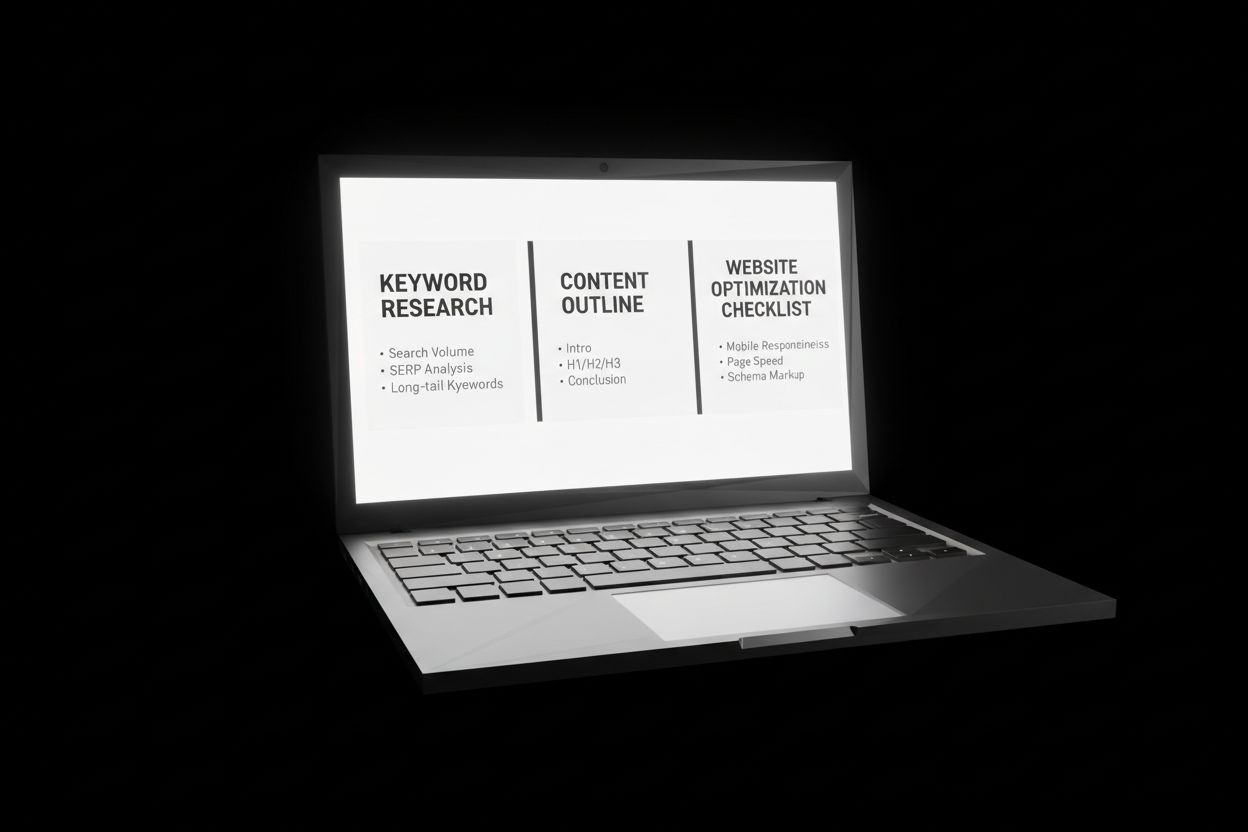
Start by looking at the exact words people use when they want a solution. Google Ads’ Keyword Planner is built to help with keyword research, and Google’s keyword guidance stresses choosing words and phrases that match what people search for. In SEO, that usually means identifying informational queries, commercial queries, and local intent before you write a page. (support.google.com)
The fastest way to waste SEO effort is to write one generic page for five different intents. One page should solve one job. If a keyword signals someone wants to compare options, the page should compare options. If it signals someone wants to book, the page should push to a booking action.
2. Build topic clusters, not random blog posts
Search engines and users both benefit when related pages are grouped around a clear theme. A service page can be supported by a how-to guide, FAQs, examples, and case studies. That structure makes it easier to rank, easier to navigate, and easier to convert.
3. Publish helpful content that answers real questions
Google says its systems are designed to reward helpful, reliable, people-first content. That means the page should answer the query directly, show real experience, and avoid filler that only exists to chase rankings. (developers.google.com)
4. Fix the technical issues that slow you down
Core Web Vitals measure loading, interactivity, and visual stability. Google recommends good Core Web Vitals, and page experience also includes mobile friendliness, HTTPS, and avoiding intrusive interstitials. In practical terms, your site should load fast, work cleanly on mobile, and make it easy for a visitor to move from page to page. (developers.google.com)
5. Add structured data where it helps
Structured data helps Google understand page content and can make pages eligible for richer search appearances. Google supports structured data for articles, FAQs, products, organizations, local businesses, and more. If you run a local business, LocalBusiness markup can surface hours, directions, and other helpful details. If you use FAQ markup, Google requires the FAQ content to be visible on the page. (developers.google.com)
How SEO works with content, social, email, and ads
SEO gets stronger when it is not isolated from the rest of marketing. Content marketing gives you the pages and articles that search engines can find. Social media gives those pages reach beyond search, especially when you reuse the same ideas in short posts, carousels, and video. Email lets you bring visitors back after they leave. Ads help you test offers faster and keep your brand in front of people who are not ready to buy yet. That is also why the same article can support search traffic, sales conversations, and paid campaigns at the same time. (hubspot.com)
The smartest teams do not ask whether SEO or social or ads is the answer. They ask how each channel plays a different role. SEO is often the best channel for capturing intent. Social media is often the best channel for building familiarity. Ads are often the best channel for speed. Email and chat are often the best channels for conversion and follow-up.
SEO examples across business models

A local business usually benefits from location pages, service pages, review signals, and structured data that makes business details easier to understand. Google’s LocalBusiness guidance explains that this markup can help search and Maps show business hours, directions, and other useful details. (developers.google.com)
An ecommerce store usually wins with strong category pages, product pages, comparison content, and product structured data. Google’s structured data gallery includes Product and Article features, which can help pages appear in richer formats when implemented correctly. (developers.google.com)
A SaaS company often needs educational pages that explain the problem, comparison pages that show why its solution is different, and use-case pages that match specific buyer intent. A service business usually needs service pages, local pages, case studies, and a fast way to book or request a quote. In all four cases, the goal is the same, match the page to the intent and make the next step obvious.
The metrics that tell you if SEO is working
You do not need to guess whether SEO is helping. Start with a small set of metrics that connect to business outcomes.
Organic traffic shows how many visitors arrive from unpaid search.
Rankings show whether your pages are gaining visibility for the keywords that matter.
Click-through rate shows whether your titles and descriptions are pulling clicks.
Conversions show whether search traffic turns into leads or sales.
Assisted conversions show whether SEO is helping later touchpoints, even if it is not the last click.
Engagement signals help you see whether visitors are sticking around or bouncing quickly.
Google Ads reporting also makes it possible to see how paid and organic search work together, which is useful if you want to understand the full effect of search demand on pipeline. (support.google.com)
Common mistakes that slow SEO down
A lot of SEO problems are not technical at all. They are planning problems.
Treating SEO like a one-time task instead of an ongoing system.
Targeting keywords that sound popular but do not match buyer intent.
Ignoring page speed, mobile usability, and crawl issues.
Writing for search engines instead of people.
Failing to connect rankings to leads, revenue, or next-step actions.
Google’s helpful content guidance and Search Starter Guide both reinforce the same idea. Make useful pages, keep improving them, and do not expect every change to show instant results. (developers.google.com)
FAQs
Is SEO part of digital marketing?
Yes. Digital marketing is the broader umbrella, and SEO is one of its core channels. HubSpot defines digital marketing as the set of online marketing efforts, and Google defines SEO as helping users find your site through search. (hubspot.com)
Is SEO better than paid ads?
Not exactly. Paid ads can create visibility quickly, while SEO compounds over time and can reduce dependence on ad spend. The best mix depends on how fast you need leads and how competitive your space is. Google Ads documentation treats organic and paid search as separate but complementary parts of search performance. (support.google.com)
How long does SEO take?
Usually longer than ads. SEO relies on content quality, site health, and search understanding, so the gains tend to build gradually. Google also notes that some changes may not create immediate visible impact, which is why iteration matters. (developers.google.com)
What is the difference between SEO and SEM?
SEO is about organic visibility in search. SEM is usually used for search marketing that includes paid search, and the two should be planned together if search is an important acquisition channel. If you want the practical version, read our guide to SEO vs SEM: choose and combine to maximize ROI. (support.google.com)
Do small businesses need SEO?
Yes, especially if you serve a local area or a narrow niche. LocalBusiness structured data can help Google understand your business details, and strong service pages make it easier for nearby customers to find and contact you. (developers.google.com)
Final thoughts
SEO is not separate from digital marketing. It is the part of the system that helps people find you when they already have intent. Digital marketing then picks up the rest of the journey with content, social, email, ads, and conversion tools. When you connect search visibility to a solid offer, a fast site, a clear lead path, and the right follow-up, SEO becomes more than traffic. It becomes pipeline. (hubspot.com)