How to Write a Follow Up Email That Actually Gets a Response
Learn how to write a follow up email that gets replies. Timing, templates, AI tools, and automation strategies for lead generation and sales.
You send a proposal. A meeting wraps up well. A promising lead fills out your form. Then silence. No reply, no acknowledgment, nothing. If that sounds familiar, you are not alone, and the problem is almost never that the prospect isn’t interested. It is that your follow up email either never arrived at the right moment, failed to cut through inbox noise, or gave the reader no clear reason to reply.
The good news: a single well-timed follow up email can increase your response rate by up to 40%, according to data from Mixmax. That is not a small lift. Yet most people either skip the follow-up entirely out of fear of being annoying, or they send a generic “just checking in” message that adds no value at all. This guide covers the full picture, from timing and tone to templates and automation, so you can build a follow-up approach that actually converts.
Why People Don’t Respond (It’s Not Personal)

Before writing a single word of your follow-up, it helps to understand what is happening on the other end. Research shows that 40% of consumers have 50 or more unread emails in their inbox at any given time. Your email did not get ignored because the person dislikes you. It got buried.
Here are the most common reasons a prospect or client goes quiet:
Cognitive overload: Decision fatigue is real. When someone has 12 things competing for attention, your email becomes something to “deal with later,” which often means never.
Inbox anxiety: Some people avoid their inbox when it gets overwhelming, which means even genuinely interested leads disappear temporarily.
Internal blockers: The person you emailed needs approval from someone else before responding. They are not stalling, they are stuck.
Poor timing: Your email arrived Friday afternoon or Monday morning, two of the worst times for business communication.
Vague ask: If your email ended with “let me know what you think,” you gave the reader zero direction on what to actually do next.
Understanding this changes your entire approach. Your follow-up is not a nag. It is a service, removing friction and making it easier for a busy person to say yes.
When to Send a Follow Up Email
Timing is one of the most overlooked variables in follow-up strategy. Most people either wait too long (the conversation has gone cold) or follow up too fast (coming across as pushy).
Here is a practical timing framework:
Scenario | When to Follow Up |
|---|---|
After sending a proposal | 2 to 3 business days |
After an initial cold email | 3 to 5 business days |
After a sales meeting | Same day or next morning |
After a job interview | Within 24 hours |
After a demo or webinar | Within 24 hours |
After no response to first follow-up | 5 to 7 business days |
Final breakup email | 10 to 14 days after last contact |
For day-of-week and time-of-day, the data consistently points to Tuesday through Thursday between 10am and 11am as the sweet spot. Mondays are high-volume and stressful for most professionals. Fridays are mentally checked out. Mid-morning beats early morning because people have already triaged their overnight emails.
How Many Follow-Up Emails Should You Send?
The Rain Group found it takes an average of 8 touchpoints to convert a prospect. Most salespeople give up after 2. That gap is a significant opportunity.
A practical follow-up sequence for lead generation looks like this:
Email 1 (original outreach)
Email 2 (follow-up, 3 to 5 days later, adds value or reframes the ask)
Email 3 (second follow-up, 5 to 7 days later, different angle or case study)
Email 4 (breakup email, 10 to 14 days later, short and low-pressure)
If you are running a multi-channel sequence, add LinkedIn connection requests or a brief voice note between emails 2 and 3. Tools that support automated lead generation can map out this entire sequence and trigger each touchpoint automatically based on behavior.
When to stop: If someone explicitly asks to be removed from your list, stop immediately. This is not just good manners, it is a legal requirement under CAN-SPAM and GDPR. Always include an unsubscribe option in automated sequences.
What to Include in Every Follow Up Email
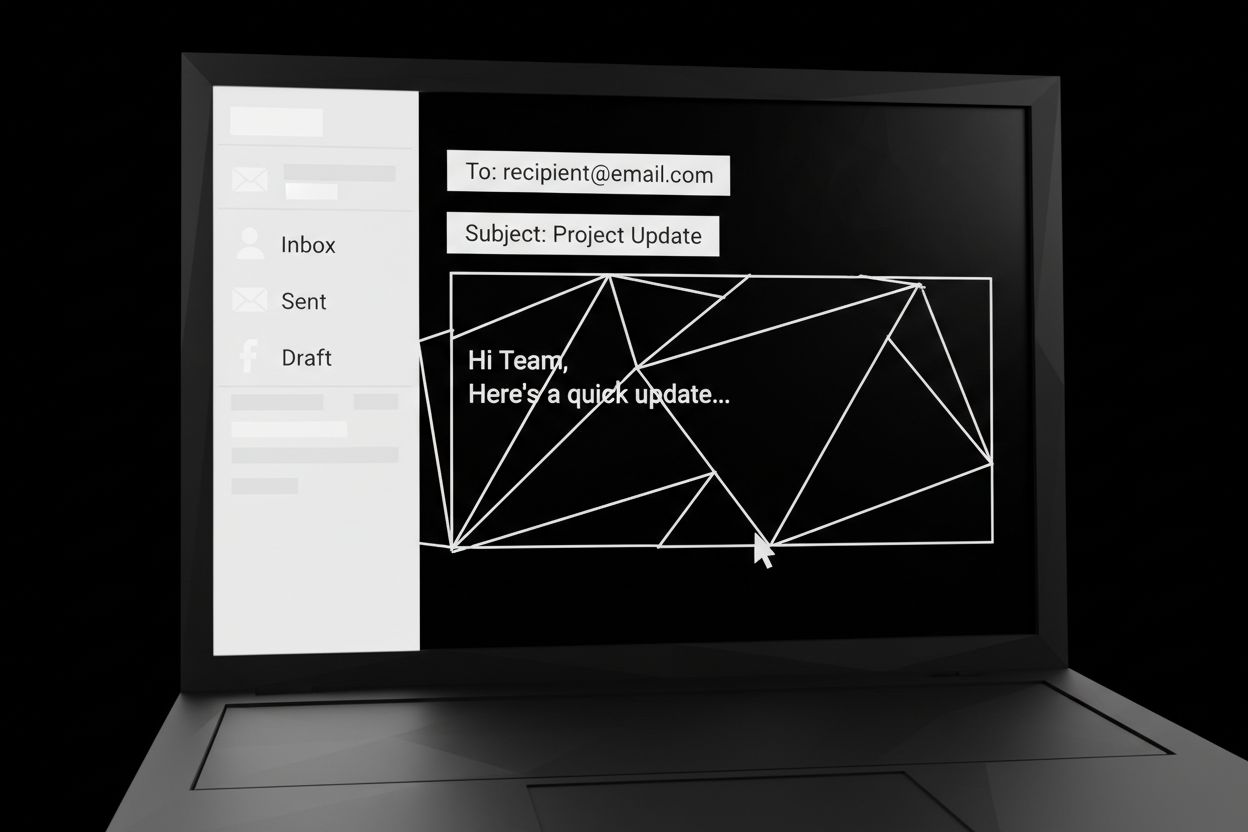
A strong follow-up email is short. Under 150 words is a good target. Here is the anatomy:
Subject Line
Your subject line determines whether the email gets opened at all. A few formulas that consistently work:
Reference the prior conversation: “Re: our chat about [topic]”
Curiosity gap: “Quick question about [their company name]”
Value lead: “One idea for [specific goal they mentioned]”
Direct and honest: “Haven’t heard back, still interested in connecting?”
Keep mobile in mind. Over 60% of emails are opened on phones. Subject lines over 40 characters get cut off in most mobile clients. Front-load the important words.
Opening Line
Skip the “I hope this email finds you well.” It wastes space and signals that nothing new is coming. Open with a callback to context:
“Following up on the proposal I sent over Tuesday”
“Wanted to circle back after our call last week”
The Body
Add one piece of genuine value, not just “just checking in.” This could be:
A short case study relevant to their situation
An answer to an objection they raised
A stat or insight tied to their industry
A relevant article or resource
The Call to Action
Make one ask. One. Not three options, not an open-ended question. Something like:
“Do you have 15 minutes Thursday or Friday to connect?”
“Would it help if I sent over a shorter summary of the proposal?”
Sign-Off
Keep it professional and brief. Include your name, title, and one contact method. A phone number often increases response rates because it signals you are a real person and easy to reach.
Follow Up Email Templates by Use Case
After No Response to a Cold Email
Subject: Quick follow up re: [original topic]
Hi [First Name],
I sent a note over last week about [brief topic]. Figured I’d check back in case it got buried.
[One-sentence value proposition]. Would a 10-minute call this week make sense to explore?
[Your name]
After Sending a Proposal
Subject: Re: [Project Name] Proposal
Hi [First Name],
Just wanted to follow up on the proposal I shared on [day]. Happy to walk through any questions or adjust the scope based on your priorities.
Are you free for a quick call Thursday afternoon?
[Your name]
After a Sales Meeting
Subject: Great talking today, [First Name]
Hi [First Name],
Really enjoyed our conversation this morning. As promised, here is [resource/next step you mentioned].
I will reach back out on [specific date] unless I hear from you sooner. If anything changes on your end, feel free to reply here.
[Your name]
After a Webinar or Event
Subject: [Your name] from [Company] at [Event Name]
Hi [First Name],
Great to connect at [event] yesterday. I thought your question about [topic] was spot on.
We actually help teams with exactly that. Worth a quick 15-minute chat?
[Your name]
The Breakup Email
Subject: Closing the loop
Hi [First Name],
I have reached out a few times but haven’t heard back, so I will assume the timing isn’t right.
I will stop following up, but if things change down the road, feel free to reach out anytime.
[Your name]
The breakup email consistently gets higher response rates than many earlier emails. People respond when they sense closure. Use it without guilt.
Using AI to Write Better Follow-Up Emails
AI tools have made personalized follow-ups significantly faster to produce. Instead of staring at a blank screen, you can use a prompt like this in ChatGPT or a similar tool:
“Write a short follow-up email for a marketing agency reaching out to a SaaS company that didn’t respond to an initial cold email about lead generation services. Keep it under 100 words, conversational, and end with a single low-friction call to action.”
The key is giving the AI enough context: your industry, their industry, the prior touchpoint, and the specific goal. Generic prompts produce generic emails. The same principle applies to AI chat agents that handle initial outreach and follow-up qualification on your behalf, gathering prospect intent data before a human ever needs to step in.
For teams running Meta or TikTok ads as part of a lead funnel, AI-generated follow-up sequences can be triggered automatically the moment a lead form is submitted. The window between form fill and first contact is critical. Research shows that responding within 5 minutes of a lead submission increases conversion odds dramatically compared to waiting even an hour. Pairing your paid ads management with instant automated follow-ups closes that gap.
Automating Your Follow-Up Sequence
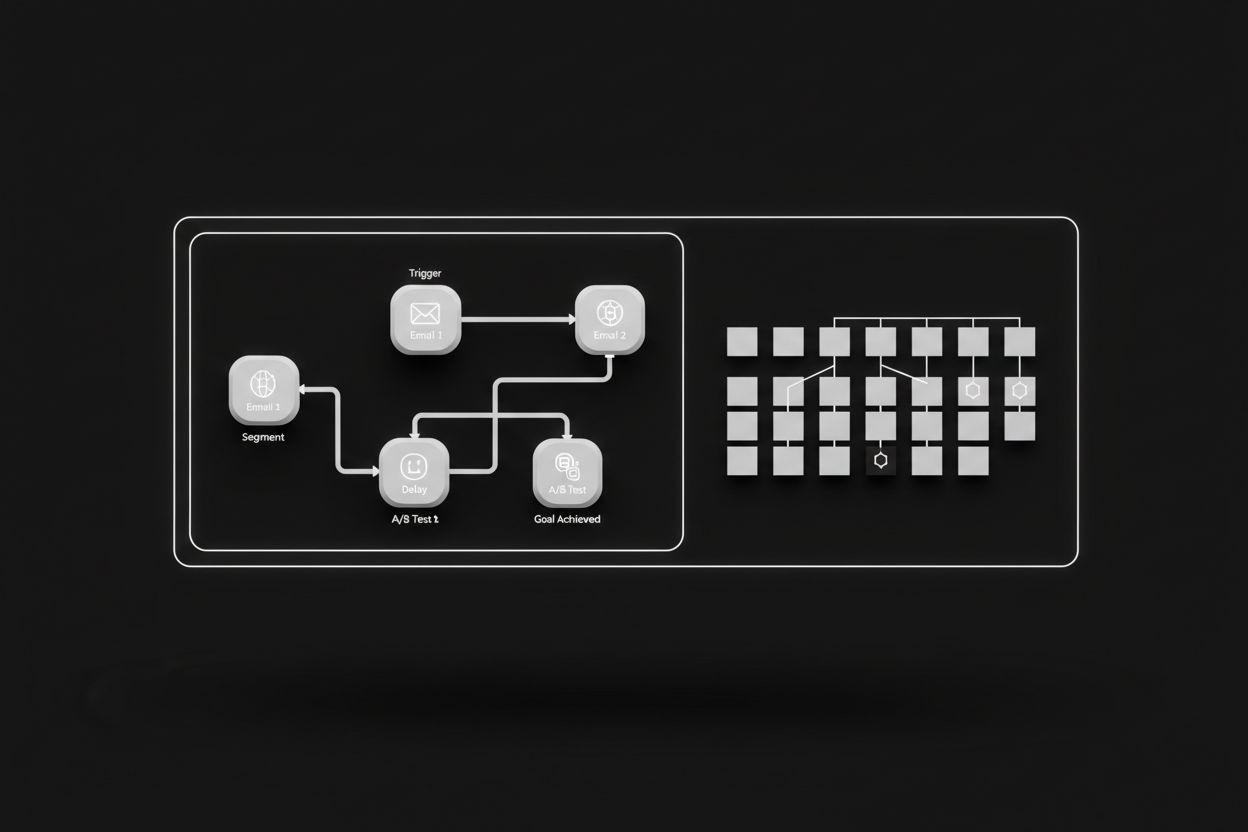
Manual follow-ups do not scale. If you are generating leads through social media, SEO, or paid ads, you need a system that fires follow-up emails without requiring you to remember who needs a nudge.
Here is what a basic automated sequence looks like for a lead generation funnel:
Lead fills out form on your site or via a Meta lead ad
Immediate confirmation email with a clear next step
Follow-up email 48 hours later if no action taken
Follow-up email 5 days later with a case study or social proof
Final email at day 12 with a low-pressure CTA
For businesses using automated social media tools alongside email, you can layer in LinkedIn touchpoints or retargeting ads that keep your brand visible between emails. This multi-channel presence dramatically improves overall response rates compared to email alone.
Tools like HubSpot, Mailchimp, ActiveCampaign, and Instantly all support this kind of sequence. The choice depends on your CRM setup and lead volume. If you are managing leads at scale, integrating your CRM in marketing is worth doing before you build sequences, because without clean contact data, even the best follow-up email goes to the wrong person at the wrong time.
Common Mistakes That Kill Your Response Rate
A few patterns consistently reduce the effectiveness of follow-up emails:
Being vague about purpose: “Just touching base” tells the reader nothing. Always reference a specific prior interaction.
Multiple CTAs in one email: Asking someone to reply, book a call, and check out a resource in the same message creates decision paralysis. Pick one.
Starting with “I”: Most email algorithms and readers alike respond better to emails that open with the recipient in mind, not the sender.
Forwarding the entire original email chain: A long thread feels like homework. Keep follow-ups short and self-contained.
Following up too frequently in a short window: Emailing every day signals desperation rather than value. Space touchpoints appropriately.
Ignoring mobile formatting: If your CTA is a small hyperlink buried in a paragraph, mobile users will miss it. Use a clear, tappable link or button.
Tracking What Works: Key Metrics to Watch
If you are not measuring your follow-up performance, you are guessing. Here are the benchmarks to aim for across a typical B2B follow-up sequence:
Metric | Good Benchmark |
|---|---|
Open rate | 40% to 60% |
Reply rate | 8% to 15% |
Click-through rate (if link included) | 3% to 7% |
Meeting booked rate | 2% to 5% |
If your open rates are low, test subject lines. If opens are strong but replies are low, the body or CTA needs work. Running simple A/B tests where you change one variable at a time (subject line, CTA phrasing, send time) gives you clear data over 2 to 4 weeks. This is part of a broader lead generation and marketing automation approach that continuously improves over time rather than relying on one static template.
A Note on Compliance
If you are sending follow-up emails as part of any automated sequence, a few legal basics apply:
CAN-SPAM (US): Include your physical mailing address and a clear unsubscribe option in every commercial email. Honor opt-out requests within 10 business days.
GDPR (EU): You must have a lawful basis for processing contact data. Cold outreach to EU contacts requires a documented legitimate interest assessment.
CASL (Canada): Requires express or implied consent before sending commercial messages.
These are not areas to cut corners. A follow-up sequence that violates spam laws can result in significant fines and damage sender reputation, which affects deliverability for your entire domain.
Putting It All Together
The follow up email is one of the highest-leverage tools in any sales or marketing workflow. It is low cost, fast to send, and when done well, it converts curious prospects into paying clients. The common thread across every effective follow-up is clarity: clear reason for reaching out, clear value being offered, and a clear single action you want the reader to take.
Start with one sequence. Define your timing, write two or three templates, and track your results for a month. Iterate from there. Once the fundamentals are solid, layer in automation, AI personalization, and multi-channel touchpoints to scale without sacrificing quality.
If you want to see how a fully built lead generation and follow-up system works in practice, explore The Social Search’s approach to automated lead generation and how it connects to the rest of your growth stack.