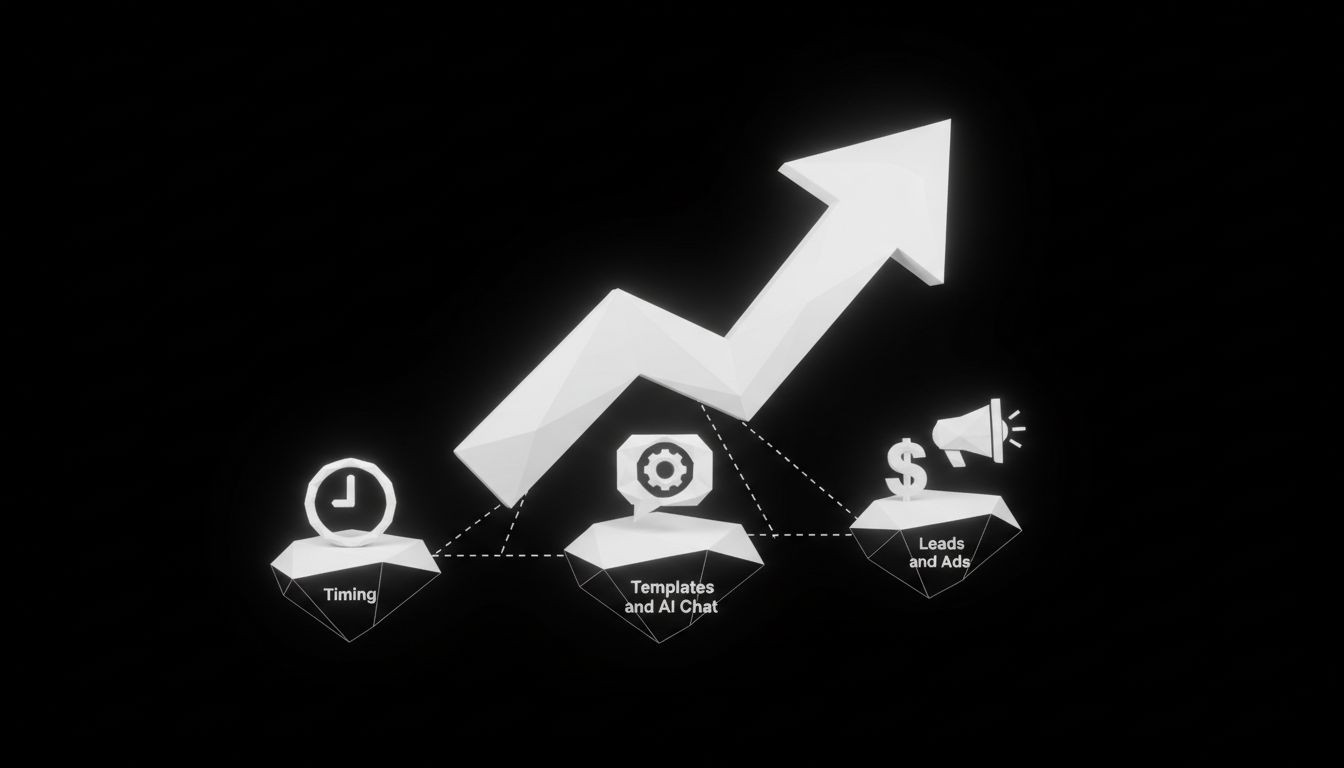
Follow-up: The Complete Guide to Timing, Templates, and Tactics for Leads, AI Chat, and Ads
Master follow-up with timing rules, templates, and industry tactics for sales, healthcare, AI chat agents, social ads, and lead generation. Actionable examples.
Quick answer: use “follow up” as a verb, “follow-up” as a noun or adjective, and prioritize timely, measured outreach with clear next steps. The right follow-up sequence converts interest into action without annoying your audience.
What does follow-up mean and when to use each form

Follow-up is a simple concept with three common forms. Use the correct form and timing to sound professional and get results.
“follow up” as a verb: I will follow up with you tomorrow.
“follow-up” as a noun or adjective: Schedule a follow-up meeting. The follow-up email worked well.
“followup” as one word: Accepted in some places, but hyphenated form is standard in most style guides.
Why this matters: correct usage improves clarity and credibility in emails, ad copy, AI chat responses, and social messages. It is also an easy SEO win for pages that teach proper usage.
Quick decision guide: which form to use
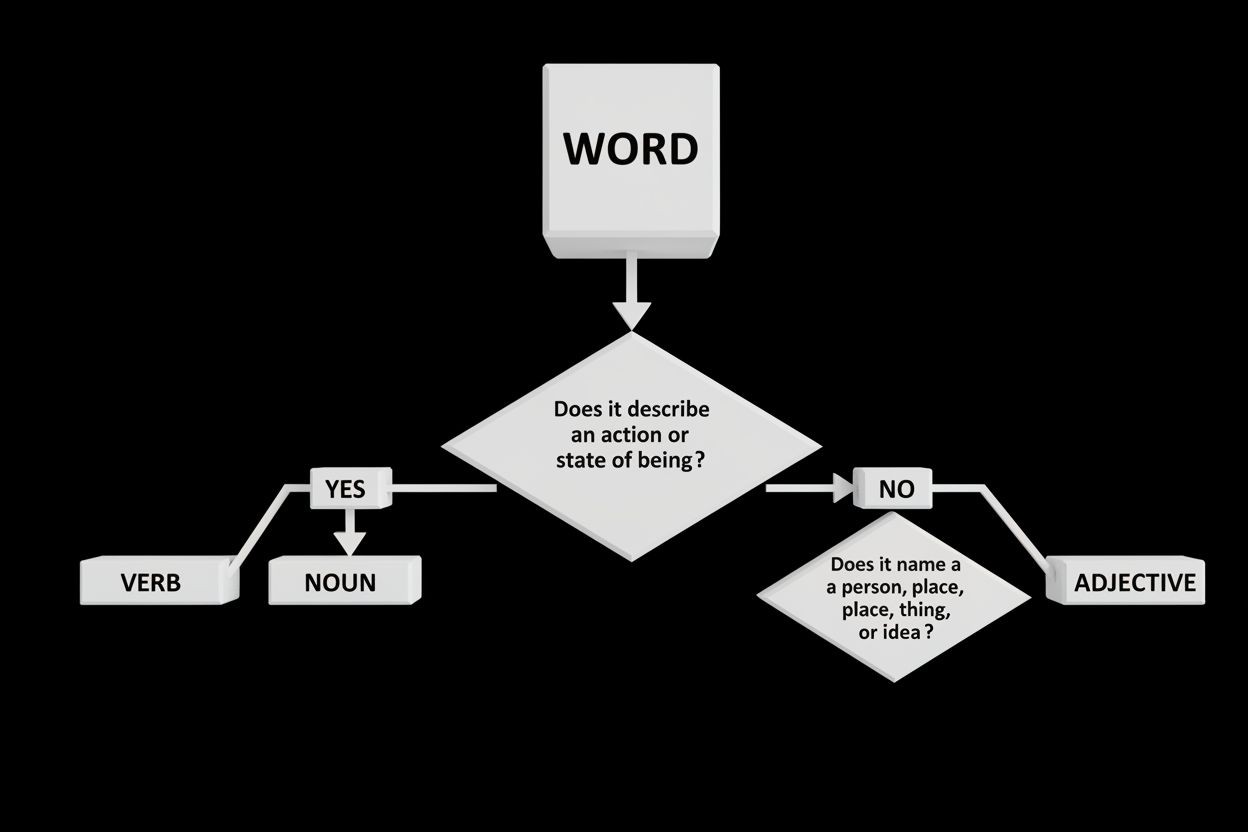
If you need a fast rule, use this guide:
If you can replace the phrase with “follow” or “pursue” and it acts like an action, use two words: “follow up”.
If the phrase labels an event, item, or describes a noun, use the hyphen: “follow-up”.
If you see “followup” in internal tools or product names, check style guides, but prefer “follow-up” publicly.
Core grammar rules and common mistakes
Verb = two words: “We will follow up next week.” This reads as an action.
Noun/adjective = hyphenated: “The follow-up call landed the deal.” “Follow-up email” describes the email.
Avoid mixing forms in the same document. Pick one style for internal messaging.
Watch for punctuation: “We will follow up tomorrow.” Not “We will follow-up tomorrow”.
Common mistakes and quick fixes:
Wrong: “Please follow-up on that.” Correct: “Please follow up on that.”
Wrong: “I sent a follow up.” Better: “I sent a follow-up email.”
Follow-up timing best practices
Timing is one of the biggest levers in follow-up effectiveness. Too soon feels pushy. Too late loses momentum.
General rules:
Initial follow-up: 24 hours after first contact for warm leads or interviews, same day for customer service when possible.
Second follow-up: 3 days after the first follow-up for sales and outreach.
Third follow-up: 7 to 10 days after the second one, with a clear value add or question.
Final follow-up: 2 to 4 weeks later with a polite close and an easy out.
Adjust by context:
Sales leads from ads: faster cadence, because intent fades quickly. Consider day 0, day 1, day 3, and day 7 sequences.
Interview follow-ups: Send a thank you within 24 hours, then a status follow-up after one week if you have not heard back.
Healthcare: Follow clinical protocols for follow-up visits. Messaging follow-ups should respect privacy and consent rules.
Follow-up templates you can copy and adapt
Use these templates as starting points. Keep messages short, specific, and actionable.
Sales follow-up email - first follow-up (24 hours)
Subject: Quick follow-up on [topic or meeting]
Hi [Name],
Thanks for talking with me yesterday about [specific detail]. I wanted to share [resource, short benefit, or next step]. Are you available for a 15-minute call on [two options]? If not, tell me your preferred time.
Best,
[Your name]
Sales follow-up email - second follow-up (3 days)
Subject: Any questions about [product/service]?
Hi [Name],
Just checking in. Were you able to review the [proposal/demo]? A quick question: what is your priority for this quarter when it comes to [area]? I can share a short plan tailored to that.
Thanks,
[Your name]
Short social DM follow-up (LinkedIn, Instagram)
Hi [Name], enjoyed your post on [topic]. Quick follow-up: would you be open to a short chat about [specific idea] this week? 10 minutes is all I need.
Interview thank-you email (within 24 hours)
Subject: Thank you, [Interviewer name]
Hi [Name],
Thank you for meeting today. I appreciated learning more about [company/team]. I am excited about the opportunity to [contribution]. Please let me know if you need anything else from me.
Regards,
[Your name]
AI chat agent follow-up script example
Bot: Thanks for your interest. Would you like a demo link or a call with sales? Reply 1 for demo, 2 for call.
If no response after 24 hours, bot follows up: Hi, just checking if you still want the demo link. I can send it now.
These short templates are easy to personalize and fit into automated sequences.
Follow-up strategies for lead generation and paid ads
Follow-up matters most when you pay to generate leads. A well-timed sequence recovers ad spend and increases conversions.
Best practices for ad-driven follow-up:
Immediate touch: Use an automated response via email or chat agent the moment a lead converts. Confirm receipt and set expectations.
Multi-channel follow-up: Combine email, SMS, and conversational ads or chat to reach people where they are.
Personalize by intent: Use the ad creative or landing page content to tailor the first follow-up message.
Measurement: Track follow-up open rates, reply rates, conversions, and cost per conversion to optimize timing and content.
Example flow for Meta or TikTok leads:
Instant autoresponder: Thank you message with value and a CTA.
1 day: Personalized follow-up with resource or quick qualification question.
3 days: Social proof message with case study link.
7 days: Offer a limited-time incentive or a final check-in.
If you run paid campaigns, coordinate follow-up messaging with your ads team to keep messaging consistent and to improve ROI. For help automating these processes, see Automated Lead Generation - The Social Search.
AI chat agents and follow-up at scale
AI chat agents let you follow up instantly and consistently. They can qualify leads, schedule calls, and trigger human handoffs.
Design principles:
Keep the opening question simple. Use multiple choice to reduce friction.
When leads do not respond, use a gentle three-step follow-up sequence driven by intent signals.
Route high-intent replies to sales for a human follow-up within an hour.
If you want to implement or improve AI follow-up agents, check out Automated AI Chat Agents - The Social Search.
Customer service and healthcare follow-up guidelines
Customer service follow-up should be empathetic, timely, and focused on resolution. In healthcare, follow-up is clinical and must follow privacy rules.
Customer service follow-up tips:
Confirm resolution steps and expected timelines.
Use post-resolution follow-up to measure satisfaction and gather feedback.
Automate feedback requests after a ticket is closed.
Healthcare follow-up tips:
Respect consent and privacy laws when messaging.
Confirm appointments and provide clear pre-visit instructions.
Use follow-up to monitor recovery and escalate if needed.
Measuring follow-up success
Track a few core metrics to evaluate and improve your follow-up sequences.
Open rate of follow-up emails.
Reply rate and conversion rate to calls or demos.
Time-to-response for leads routed to sales.
Churn or satisfaction metrics when following up with customers.
Use A B testing for subject lines, timing, and message length, and iterate on the sequence that produces the best business outcome.
For teams focused on automating marketing and social, explore Automated Social Media - The Social Search and Automated SEO - The Social Search to align follow-up content across channels.
Follow-up checklist: what every message should include
A clear reference to the previous interaction.
A single, simple next step. Ask a direct question.
A time window or options for scheduling.
A one-line value reminder or attachment.
An easy out, such as “If this is not the right time, let me know.”
Use the checklist before sending each follow-up to keep messages concise and relevant.
Follow-up sequences by industry: quick templates
Sales (B2B SaaS): Day 0 auto, Day 1 personal email, Day 3 case study, Day 7 offer demo
Ecommerce cart abandonment: 1 hour cart reminder, 24 hours discount offer, 3 days social proof
Recruiting: 24 hours thank you, 7 days next status update, 14 days final note
Ads remarketing: Immediate confirmation, 48 hours product benefit highlight, 5 days discount or urgency
FAQ about follow-up
Q: Is “followup” one word wrong?
A: It is accepted by some sources, but “follow-up” is the safer hyphenated form for nouns and adjectives. Use “follow up” for the verb.
Q: How many follow-ups are too many?
A: Generally four messages is a reasonable cap for sales outreach. Beyond that, space out touches and add value. For customer service and healthcare, follow-up should continue until resolution.
Q: Should follow-ups be automated?
A: Yes, automation ensures speed and consistency. Always add human touches for qualified leads or sensitive topics.
Q: Can I use follow-up templates for social DMs and chatbots?
A: Yes, adapt tone and length for the channel. Chat responses should be shorter and more interactive.
Etymology and a short history
The verb “follow” has long been in English usage. The noun and adjective form “follow-up” appeared in the late 19th century in the sense of a continuing action or review. Over time, tech and marketing adoption popularized the term in many digital forms, which created variant spellings like “followup.” For most professional writing, follow the hyphenation guidance above.
Final recommendations and next steps
Standardize style across your team: pick two-word verb, hyphenated noun/adjective.
Automate the first touch for ad leads and route high-intent replies to humans quickly.
Use the templates and timing rules here to build sequences for ads, social, AI chat, and sales.
Measure and iterate weekly. Small timing changes can lift conversions significantly.
If you need help building follow-up automation that ties ads, chat, and lead gen together, our services can help: Paid Ads Management - The Social Search and Automated Lead Generation - The Social Search. For questions about integrating follow-up sequences into your website or landing pages, see Automated Website Creation - The Social Search.
Ready to turn more conversations into customers? Start by auditing your current follow-up sequences, implement a short 3-message test for each channel, and measure response and conversion. Small, consistent follow-up wins accumulate fast.