What Is a Backlink? A Simple Guide to SEO, Quality, and Link Building
Learn what a backlink is, why it matters for SEO, how link quality works, and how to earn backlinks that bring traffic, trust, and leads consistently.
If you have ever asked what is a backlink, the simplest answer is this: it is a link from one website to another website. In SEO, that link acts like a recommendation. When another site points to your page, it can help search engines discover your content, understand what it is about, and judge whether it deserves attention.
Quick answer: A backlink is an incoming link from another site. The right backlinks can help with discovery, relevance, authority, and referral traffic.
That is why backlinks still sit at the center of many SEO strategies. They are not the only ranking factor, but they remain one of the clearest signals that other people find a page worth referencing.
What is a backlink?
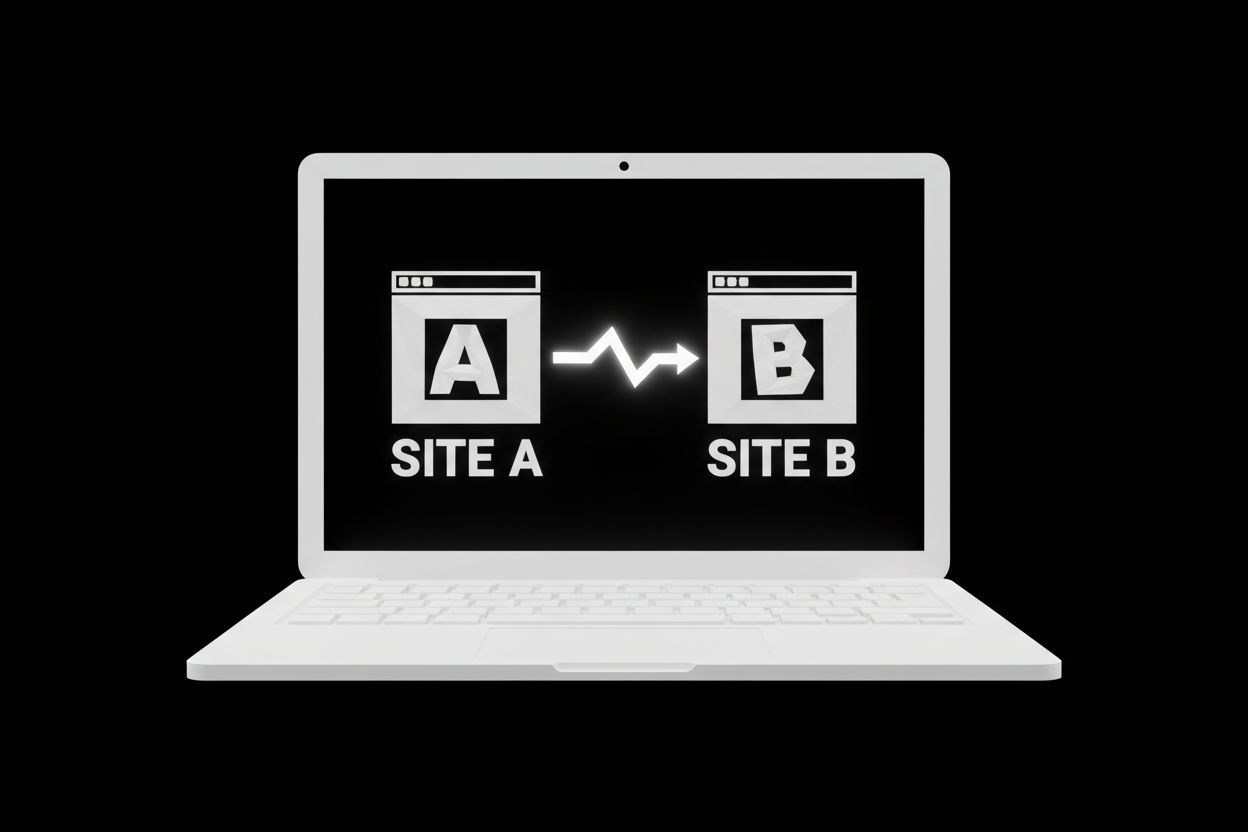
A backlink is also called an inbound link or incoming link. If Site A links to Site B, then Site B has a backlink from Site A.
Backlinks can appear in many places:
blog posts
news coverage
resource pages
product reviews
podcasts and show notes
directories
partner pages
A backlink is best understood as digital word of mouth. A link from a trusted, relevant site is like a strong recommendation. A random link from an unrelated page is much less useful.
Link type | What it means | Example |
|---|---|---|
Backlink | Another site points to your page | A blog mentions your article and links to it |
Internal link | One page on your site links to another | Your homepage links to your services page |
External link | Your page links to a page on another website | Your article links to a source or tool |
Internal links are still important because they help users and search engines move through your site. If you want your pages to support organic growth and pipeline, a solid automated SEO strategy usually needs both good backlinks and strong internal linking.
Why backlinks matter for SEO
Backlinks matter because search engines use them to understand the web. When a page receives links from other pages, it can signal that the content is useful, credible, or worth surfacing for a topic.
Here is what good backlinks can do:
help search engines discover new pages faster
reinforce the topic of a page through surrounding context and anchor text
pass value from one page to another
send referral traffic from people who click the link
build brand visibility outside your own website
The important part is quality. A handful of relevant links from real sites often beats a pile of weak links from unrelated places. That is why link building should support the rest of your content engine, not sit apart from it. For brands that want long-term visibility, automated website creation and linkable content can make it easier to publish pages that actually deserve references.
Backlinks also help with trust. If multiple reputable sites point to the same page, search engines can treat that as a sign that the page is worth attention. In practice, that is one reason why strong content marketing, PR, and SEO work better together than separately.
How backlinks work behind the scenes
Search engines crawl the web by following links. When a crawler lands on a page, it looks for links it can parse, then uses those links to find more pages. That is why clean, crawlable links matter so much.
For a backlink to help, several things usually matter:
Discovery
The page linking to you should be accessible to crawlers. Standard HTML links are the easiest for search engines to understand.
Context
A backlink inside a relevant article usually carries more meaning than a link buried in a footer, sidebar, or comment section.
Anchor text
Anchor text is the clickable text in a link. When it is clear and natural, it helps search engines and readers understand what the destination page is about.
Link equity
People often talk about links passing value or authority. The exact formula is not public, but the basic idea is simple. More trusted, relevant, editorially placed links can strengthen a page more than low-quality links.
That is also why not every link is treated the same way. Google recommends using sponsored, ugc, or nofollow to describe some outbound links, which tells search engines more about the relationship behind the link. In other words, a backlink is not just a URL, it is also a signal about why the link exists.
Backlinks, internal links, and external links
It is easy to mix these up, but the difference is simple.
Backlink: another website links to your page
Internal link: your page links to another page on your site
External link: your page links to a page on another website
All three have a role in SEO, but only backlinks come from outside your own domain. They are powerful because you do not control them in the same way you control your own site structure. That makes them more valuable as an outside signal.
Types of backlinks you will hear about

Not all backlinks are created equal. Here are the ones you will see most often.
Editorial backlinks
These are links earned because someone found your content useful enough to reference. They are usually the strongest type.Guest post backlinks
These come from articles you write for another site. They can be useful when they are relevant and placed naturally.Resource page backlinks
A site may add your guide, tool, or service to a curated list of helpful resources.Directory backlinks
Business directories can help with discovery, especially for local companies, but the directory should be legitimate and relevant.Nofollow backlinks
These tell search engines not to treat the link as a standard endorsement. They can still help with traffic, discovery, and brand exposure.Sponsored backlinks
These are paid or promotional placements. They should be labeled correctly.UGC backlinks
These come from user-generated content like forums, comments, and community posts.Social backlinks
Social links can send people to your content, even if they do not always work like traditional editorial links. They are still useful for reach.
If you are building distribution as well as SEO, social promotion matters. A strong automated social media workflow can help new content earn the first wave of attention, which often leads to mentions, shares, and natural links later.
What makes a good backlink?
A good backlink is not just about domain strength. It is about relevance, placement, and intent.
Quick backlink quality checklist
A backlink is usually better when it checks most of these boxes:
the linking site covers a related topic
the page has real readers or search traffic
the link appears in the main body of the content
the anchor text sounds natural
the page looks editorial, not spammy
the site has a trustworthy reputation
the link fits the user’s context
If a link exists only because it was traded, forced, or stuffed into low-quality content, it is usually not worth much.
Common backlink myths
A few myths still cause a lot of bad link building.
More backlinks always win
Not true. A few strong links can outperform many weak ones.Nofollow links are worthless
Not true. They can still drive traffic and brand discovery.Domain authority is a Google metric
It is not. It is a third-party score used by some SEO tools.Any backlink is a good backlink
Not true. Irrelevant or spammy links can add noise, and in some cases risk.Buying links is a shortcut
It can be risky and should never be your main strategy.
A healthy backlink profile looks natural. It usually includes a mix of content citations, brand mentions, partner links, and earned placements from different kinds of pages.
How to get backlinks for a new site

If your site is new, the easiest way to think about backlinks is this: publish something worth citing, then make sure people see it.
1. Build linkable assets
Create pages other sites would actually want to reference. Good examples include:
original research
data studies
checklists
templates
comparison guides
industry statistics
how-to guides
This is where automated website creation can help, because fast, clean landing pages make it easier to launch resources that look professional and are easy to link to.
2. Use outreach with a real angle
Send your content to people who already cover your topic. Do not ask for a link first. Explain why the piece is useful for their audience.
3. Reclaim unlinked mentions
Sometimes people mention your brand without linking to you. Those are low-friction opportunities because the brand already exists in the article.
4. Fix broken link opportunities
If a site links to a dead page in your niche, and you have a better replacement, that can be a practical outreach target.
5. Earn links through partnerships
Suppliers, clients, associations, event organizers, and collaborators often have pages that can mention your business naturally.
6. Promote the content hard
Even great content will not earn links if nobody sees it. Use paid ads management to give your best linkable content an initial push on channels like Meta or TikTok, especially when you want to reach journalists, creators, or niche buyers faster.
7. Keep social distribution active
Social sharing does not replace SEO, but it can help the right people discover your page. Those early eyes can turn into links, mentions, and traffic.
Backlinks in real-world marketing
Backlinks work best when they support a business goal, not just a ranking goal.
For a local business, backlinks might come from chambers of commerce, local news, supplier pages, or sponsorships.
For a SaaS brand, strong backlinks often come from integrations, comparison posts, product roundups, and original research.
For an e-commerce site, useful links can come from gift guides, review sites, niche blogs, and creator content.
For a service business, backlinks work best when the landing page is built to convert. That is where automated lead generation becomes important, because traffic only matters if it turns into inquiries, demos, or calls.
If you get a great backlink but send people to a weak page, you waste most of the value. The linked page should match intent, explain the offer clearly, and make the next step obvious.
Why backlinks sometimes do not move rankings
Sometimes a backlink is real, but the rankings barely change. That usually means the issue is bigger than the link itself.
Common reasons include:
the target page is thin or outdated
the page does not match the search intent well
the backlink comes from a weak or unrelated page
the page has very few supporting internal links
competitors have stronger content and a better overall link profile
If a page gets links but no movement, the fix is often the page, not the backlink. Improve the content, tighten the topic, and make the next step more obvious.
How to check your backlink profile
You do not need to obsess over every single link, but you should review your profile regularly.
Look for:
new links from relevant sites
lost links that were removed
spammy or unrelated links
anchor text that looks over-optimized
pages that have links but no traffic or conversions
A backlink audit can tell you whether your content is attracting the right kind of attention. It can also show which topics earn links most easily, which is useful if you want to plan future content.
FAQ: what is a backlink?
What is a backlink in simple terms?
A backlink is a link from one website to another. If another site points to your page, that is a backlink for you.
Are backlinks still important for SEO?
Yes. Backlinks still help search engines discover content and understand which pages other sites trust and reference.
What is the difference between dofollow and nofollow?
Dofollow is the default kind of link that can pass SEO value. Nofollow, sponsored, and UGC help describe the nature of the link and may be treated differently.
How many backlinks do I need?
There is no fixed number. What matters more is the quality, relevance, and consistency of the links you earn over time.
Can bad backlinks hurt my site?
Usually a few poor links are not a disaster, but spammy patterns, paid link schemes, and unnatural link building can create problems.
How long does it take backlinks to work?
It depends on how quickly the linking page is crawled, how strong the page is, and how competitive the search query is. Some links have fast impact, others take time to show results.
The bottom line
Backlinks are one of the clearest signs that other people find your content useful. A backlink is more than a technical SEO term, it is a vote of confidence, a discovery path, and often a traffic source.
If you want better backlinks, focus on three things: publish content worth citing, make it easy to discover, and support it with strong distribution. That is how backlinks turn from a vague SEO concept into a repeatable growth channel.