Email Marketing Examples: 12 High-Performing Campaigns to Copy
Explore 12 email marketing examples with subject line ideas, CTAs, and automation tips that help you grow leads, sales, and loyalty across every funnel today.
Email still pulls its weight when a lead comes from a Meta ad, a TikTok offer, a chatbot conversation, or a blog signup. The best email marketing examples do not try to impress with length. They work because they match the moment, speak to one person, and make the next step obvious. That is why a welcome series can turn a curious visitor into a qualified lead, while an abandoned cart email can recover revenue without sounding pushy. If you want your email engine to support a bigger growth system, think about the full path from capture to nurture, especially if you are already building around lead generation and marketing automation guide.
What makes a strong email marketing example?

Before you copy any of the examples below, check these basics:
One email, one job. The message should push one clear action.
The right audience. A first-time lead needs a different message than a repeat buyer.
A relevant trigger. Good emails are sent because something happened, not because the calendar said so.
A clean mobile layout. Most people will scan on a phone first.
A measurable CTA. Book the demo, finish checkout, read the guide, or reply to the email.
Real personalization. Use behavior, interests, or purchase history instead of just swapping in a first name.
The strongest email marketing examples also line up with the rest of your funnel. If someone came in from social, a form, or a chatbot, the email should continue that same conversation.
1. Welcome email series for new subscribers
A welcome email is usually the first real conversation after someone opts in, so it should feel fast, helpful, and specific. Use it for lead magnets, newsletter signups, webinar registrations, or new customer onboarding. The goal is simple, get the subscriber to take one next step, such as reading a guide, choosing a product category, or booking a call. If your signup flow is connected to automated lead generation, this is the moment to move from capture to conversation. Strong welcome emails often include a short thank-you, a quick brand promise, and one CTA that keeps momentum going.
2. Abandoned cart email
An abandoned cart email works because it reacts to a moment of intent. The person already showed buying interest, so your job is to remove friction, not start from zero. Keep the reminder simple, show the item or items left behind, and make the checkout button easy to find. If you have a real offer, such as free shipping or a time-sensitive discount, say so early. If you are also running retargeting, your email and ad creative should feel like the same conversation, not two different campaigns. This is one of the most reliable email marketing examples for ecommerce because the message is direct and the audience is already warm.
3. Lead nurturing email for warm prospects
Lead nurturing is where email becomes a sales assistant. Instead of pushing for a demo too early, use a short sequence to answer objections, show proof, and guide the lead toward the best fit offer. This works especially well when leads arrive from webinars, downloadable guides, Meta lead forms, TikTok lead ads, or a website chat flow. A solid nurture sequence might include an educational email, a case study, and a final invitation to talk. For a deeper look at how sequences connect, the lead generation and marketing automation guide is a useful companion read. The best nurture emails sound like a helpful follow-up, not a sales blast.
4. Re-engagement email for inactive subscribers
Inactive subscribers do not need more noise. They need a reason to care again. A good re-engagement email is honest about why you are writing, asks a simple question, and offers a clear choice. You can invite them to update preferences, pick a content category, or stay on the list. If you use AI tools or segmentation, this is also a smart place to identify who should receive a different message entirely. The strongest version is short, personal, and low pressure, because the goal is to reopen the conversation, not force a sale. This kind of cleanup also protects deliverability and keeps your list healthier over time.
5. Product launch email
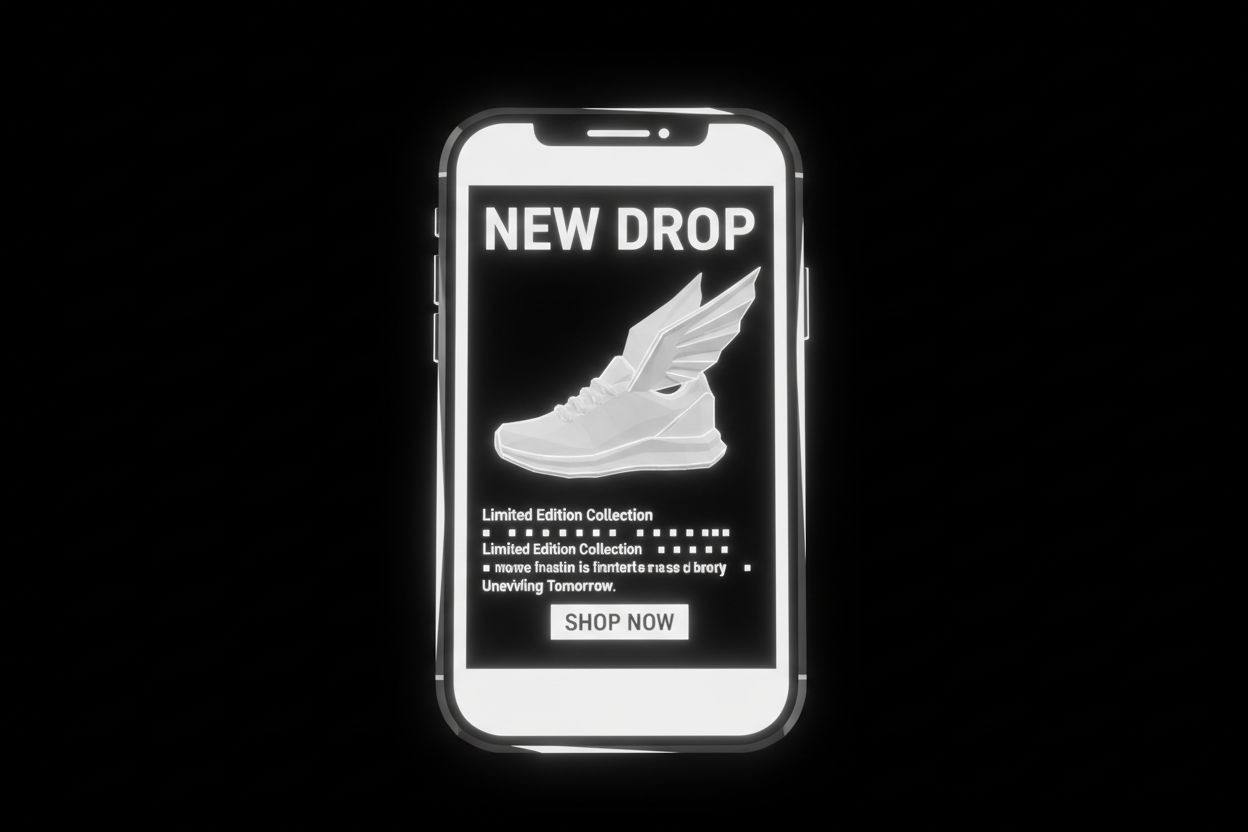
A product launch email should lead with the benefit, then back it up with a small amount of detail. Readers should know what is new, why it matters, and what to do next within a few seconds. Think early access, waitlists, beta access, and limited first-run offers. When launch traffic is being driven by ads, the email must match the same promise that brought people in. That is why paid ads management and email should work as one system, not as separate departments. The strongest launch emails often use a bold hero image, three quick bullets, and one strong CTA such as ‘See what is new’ or ‘Get early access’.
6. Seasonal promotion email
Seasonal emails work when they feel timely rather than generic. Black Friday, back-to-school, end-of-year planning, Mother’s Day, or a local event can all create a natural reason to send. The best ones are segmented by purchase history, category interest, or location, so people see an offer that fits. Add urgency only when it is real, such as a deadline, inventory limit, or shipping cutoff. Seasonal campaigns also benefit from testing subject lines and send times, since inbox competition is usually higher during busy periods.
7. Transactional email with a smart upsell
Transactional emails are some of the most open messages you will ever send, which makes them valuable real estate. Order confirmations, shipping updates, trial activations, and appointment reminders can all include a helpful next step without feeling salesy. A good upsell here is not a hard pitch. It is a relevant add-on, a setup tip, or a way to get more value from the purchase. The best examples keep the primary information front and center, then place one secondary CTA underneath. That balance is what makes transactional email one of the easiest places to increase customer lifetime value.
8. Newsletter roundup
A newsletter roundup is one of the most underrated email marketing examples because it builds familiarity over time. Instead of sending everything you have published, curate the best three to five items and give each one a reason to click. Lead with one main story, then add a few supporting links and a single CTA. This format works well for B2B, creators, and service brands that need to stay visible between buying cycles. It is also easy to repurpose content from automated social media, which keeps your email, social, and content efforts aligned without creating extra work. Great newsletters feel selective, not crowded.
9. Personalized recommendation email
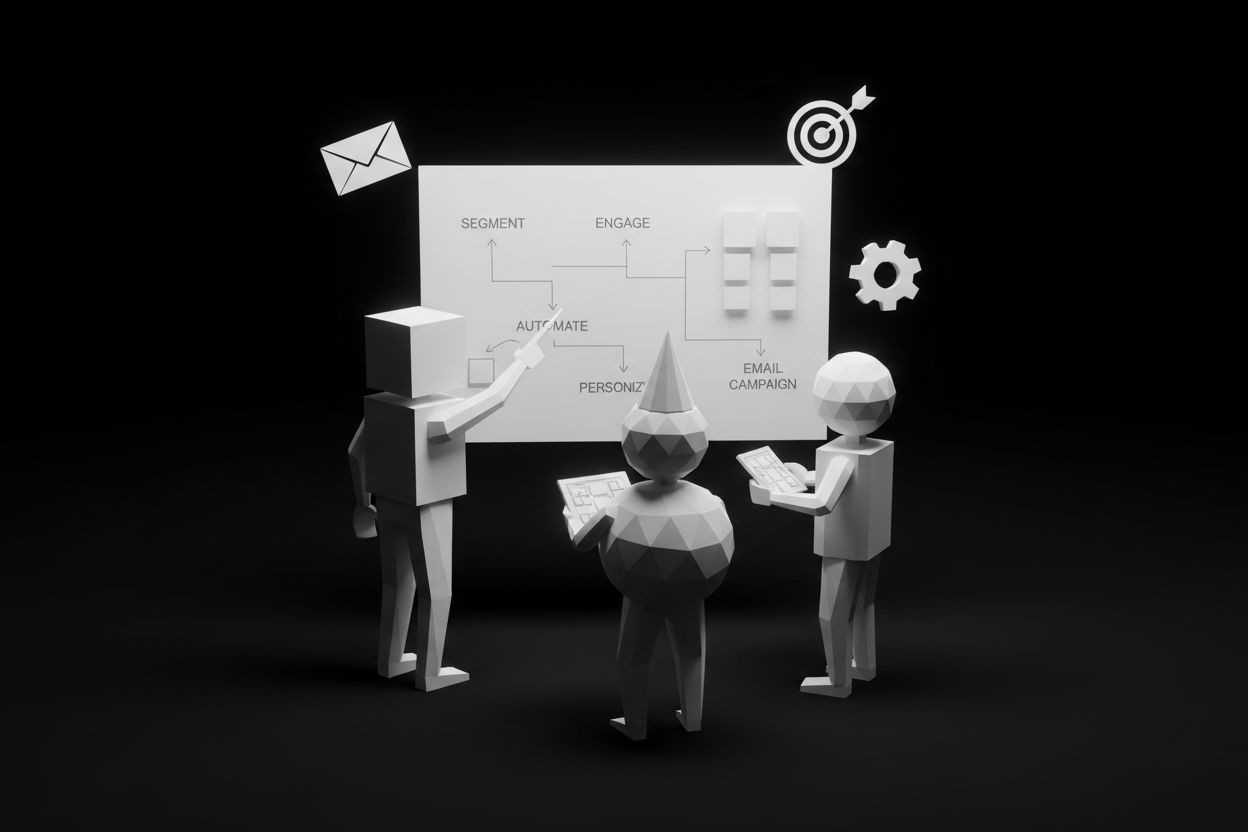
Personalized recommendation emails use behavior to make the next message more useful. That can mean browsing data, past purchases, quiz results, or content engagement. If someone looked at pricing, show a demo invite. If they read a beginner guide, send a case study. If they already bought once, recommend the next best product or service. This is where AI and dynamic content can really help, because the email can change based on what the subscriber has done. If your leads start in a chat experience, connecting the data to automated AI chat agents keeps the handoff consistent and personal. These emails often outperform generic blasts because they feel like the brand already knows what the person wants.
10. Webinar or event invitation email
A good event email answers three questions fast, why this event, why now, and why should I care. Keep the agenda short, mention the speaker or outcome, and include a calendar CTA so the signup feels easy. For B2B brands, webinars are especially useful for lead generation because they educate while moving people toward a sales conversation. For local businesses or creators, events can build community and trust. A clean reminder sequence before the event, plus a follow-up afterward, usually works better than a single send.
11. Loyalty or VIP customer email
Loyalty emails are where repeat buyers start to feel recognized. Instead of sending the same promo to everyone, reward your best customers with early access, a surprise offer, a referral perk, or a members-only update. These emails work because they protect the relationship instead of only chasing the next sale. They also create space for higher-margin offers, since loyal customers already trust the brand. Keep the tone warm and specific, and make the value obvious. A simple line like ‘Because you have shopped with us before, here is your early access window’ can do a lot of work.
12. Donation or impact email
Nonprofit email marketing works best when the story is clear and the ask is specific. The reader should quickly understand who needs help, what the money will do, and why acting now matters. A strong donation email often uses one emotional image, a short impact story, and a single CTA with a defined goal. If you can connect the ask to a matching gift, deadline, or campaign milestone, even better. These emails perform well when they make the impact feel concrete, not abstract.
How to turn these email marketing examples into your own campaigns
The easiest way to make these examples work for your brand is to match the email to the source of the lead. A visitor from a TikTok ad may need a different message from someone who downloaded a pricing guide or started a live chat. Keep that journey tight. Use one audience segment, one trigger, and one desired action for each flow.
A practical setup usually looks like this:
Capture the lead.
Tag the source and intent.
Send the right first email within minutes.
Follow up with behavior-based automation.
Keep the creative and offer consistent across channels.
That last point matters more than most teams realize. The ad, the landing page, the chatbot, and the email should all tell the same story. When the message changes too much, conversions drop.
Common mistakes that make good emails fail
Even strong email marketing examples can underperform if the basics are off. Watch out for these issues:
Sending the same message to every contact.
Writing too much copy before the CTA appears.
Hiding the main action behind multiple buttons.
Ignoring mobile formatting and thumb-friendly spacing.
Using a vague subject line that does not create interest.
Forgetting the follow-up email after the first send.
Treating automation like a set-and-forget channel.
The fix is usually simpler than teams expect. Tighten the segment, shorten the copy, and make the next step obvious.
Swipeable templates you can reuse
If you want a quick starting point, use these simple structures.
Welcome email
Subject: Welcome to [Brand], here is what to expect
Body: Thank the subscriber, set expectations, share one useful link, and invite them to take one next step.
CTA: Explore the starter guide
Abandoned cart email
Subject: Your cart is still waiting
Body: Show the product, remind them what they left behind, and make checkout easy.
CTA: Complete your order
Lead nurture email
Subject: A quick idea to solve [problem]
Body: Share one insight, one proof point, and one next step.
CTA: See how it works
Re-engagement email
Subject: Do you still want these emails?
Body: Ask for a preference update or offer a simple reason to stay subscribed.
CTA: Keep me subscribed
The bottom line
The best email marketing examples are not flashy for the sake of it. They are clear, timely, and tied to a real customer action. If you build around one goal per send, segment by behavior, and connect email to the rest of your funnel, you will get more from every campaign. That is true whether the lead came from search, social, ads, or an AI chat experience. Start with the examples above, then adapt the subject line, CTA, and timing to fit your audience.