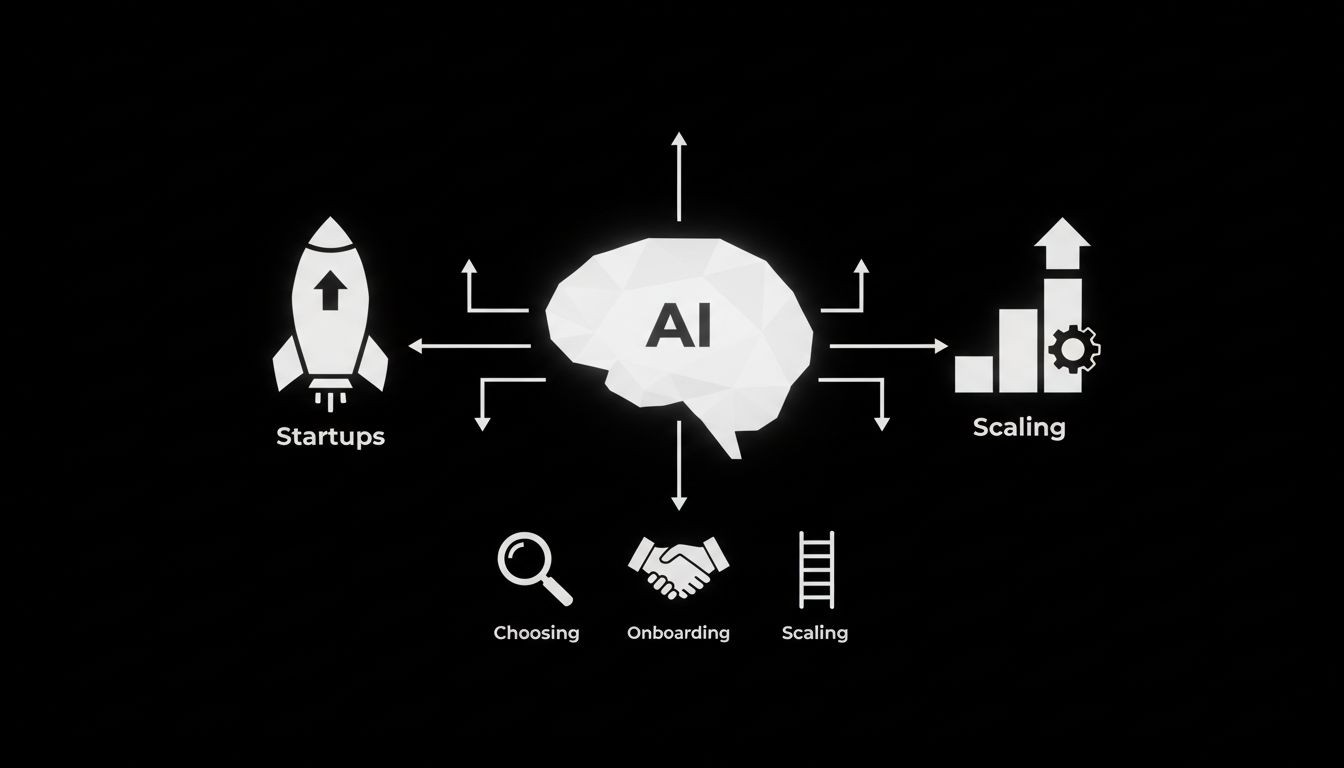
AI SEO Agency for Startups: A Practical Guide to Choosing, Onboarding, and Scaling
Choose the best AI SEO agency for startups with a practical selection scorecard, 90 day plan, red flags, budget guide, and AI-driven growth tactics and ads.
Updated January 2026
Organic search still drives some of the highest quality leads for startups. With search technologies leaning into generative AI and answer engines, working with an AI SEO agency for startups can compress timelines, improve content efficiency, and increase qualified traffic when you apply the right framework.
Why an AI SEO agency matters for startups
Startups face three realities: limited budget, fierce competition from established brands, and urgent need for measurable growth. AI SEO agencies use a mix of classical search optimization and new AI-driven techniques such as generative engine optimization and answer engine optimization to accelerate results. That combination can reduce content production time, surface keyword opportunities tied to AI chat agents, and optimize for snippets and overviews that send high intent traffic.
Key benefits for startups
Faster content testing and iteration using AI-assisted drafts and outlines
Optimization for AI-powered search features like chat summaries and snippets
Scalable link and technical SEO workflows managed with automation
Integrated approaches that combine SEO, paid social, and AI chat agents
If your goal is rapid traffic that converts to trial signups or demo requests, an AI SEO agency for startups can be the lever that turns product momentum into predictable, scalable demand.
Is your startup ready for an AI SEO agency?
Before you sign a retainer, be honest about readiness. SEO is not a magic button. Use this quick self assessment to decide if you should hire, train, or build internally.
Checklist - if you answer yes to most, you are ready
Product market fit validated with early revenue or consistent user growth
A working website with clear conversion points - signups, demo booking, contact form
Basic analytics installed - Google Analytics, Search Console, or similar
Resources or budget to publish content or approve agency drafts
Willingness to test landing pages and track conversion events
If you are missing several items consider short engagements: a technical audit, a one month growth sprint, or fractional support. For technical setup and automation, see Automated Website Creation - The Social Search.
How to choose an AI SEO agency - startup selection scorecard
Selecting the right partner is more than price. Use this scorecard to compare 6 to 8 finalists and pick the best fit for your stage.
Core criteria (score 1-5 for each)
Domain expertise - knowledge of your vertical and startup stage
AI capabilities - proven use of generative tools, GEO, and AEO strategies
Reporting cadence - clear KPIs, dashboards, and cadence for updates
Onboarding and communication - named contacts and sprint plans
Technical depth - capacity to run site audits, fix critical issues, and implement structured data
Creative and distribution - content quality plus social and paid integration
Pricing and flexibility - short trials, clear scope, and scalable packages
How to use the scorecard
Create a spreadsheet, list agencies as columns, and the criteria as rows
Add brief notes and evidence for each score such as case study links or client references
Prioritize items by your stage. For pre-seed startups weight price and speed higher. For Series A weight growth and technical depth higher
Why stage matters
Pre-seed and bootstrapped startups benefit from short sprints, fractional SEO, and training packages
Seed to Series A startups need a repeatable acquisition channel and faster content-production workflows
Series B and later can invest in enterprise-level contracts and deeper integrations with product and CRM
For a starter package that combines SEO and lead systems, check the Automated Lead Generation - The Social Search.
What an AI SEO agency should offer - architecture of service
A strong AI SEO agency for startups will combine four pillars:
Technical foundation - site health, page speed, structured data, canonicalization
Content strategy - keyword maps, AI-optimized briefs, editorial calendar
Distribution and amplification - internal linking, PR outreach, and social seeding
Measurement and conversion - event tracking, funnel analysis, and cohort reporting
Look for agencies that integrate SEO with AI chat agents and paid social to capture demand across touchpoints. If the agency does not discuss how SEO feeds chat agent prompts or social ads, ask why.
See how AI chat agents can improve lead capture at scale in Automated AI Chat Agents - The Social Search.
Pricing expectations and packaging for startups
Typical monthly retainer ranges you will encounter
Freelancer or fractional SEO consultant - $1,000 to $3,000
Boutique AI SEO agency or growth shop - $3,000 to $8,000
Full service with creative and paid integration - $8,000 to $20,000+
What to expect for the money
$1,000 to $3,000: audits, technical fixes, content briefs, limited content production
$3,000 to $8,000: content creation, link outreach, weekly reporting, A/B test support
$8,000+: cross-channel activation, dedicated team, advanced analytics and experimentation
Ask for clear deliverables tied to outcomes such as: pages published, technical issues resolved, keyword ranking improvements, and leads attributed to organic traffic.
For paid social tie-ins like Meta and TikTok ads managed alongside SEO, look at Paid Ads Management - The Social Search. Agencies that coordinate search and paid usually drive faster short term wins.
Red flags when hiring an AI SEO agency
Avoid agencies that:
Promise specific ranking positions within a fixed time. No one can guarantee page one for competitive queries.
Sell large private link networks or short cuts that risk penalties
Have opaque reporting or refuse to share raw data and dashboards
Ask for long, locked contracts without a trial or milestone-based exit
Overpromise on content volume without a clear distribution plan
If you see these signs, push for a three month pilot with milestone-based payments and a clear exit clause.
Agency vs consultant vs in-house - what startups actually need
Consultant or fractional SEO
Best for early-stage startups with tight budgets
Offers audits, strategy, and training
Lower monthly cost and flexible scope
Boutique AI SEO agency
Best for startups ready to scale content and distribution
Provides end-to-end execution, integrations with AI tools, and cross-channel campaigns
In-house hire
Best when you have ongoing volume and need close product alignment
Higher fixed cost but more control over roadmap
A common hybrid for startups is to start with a fractional consultant and two month agency sprint, then hire in-house once the channel proves out. That hybrid approach pairs well with automated social campaigns. For social automation, see Automated Social Media - The Social Search.
Your first 90 days with an AI SEO agency - week by week
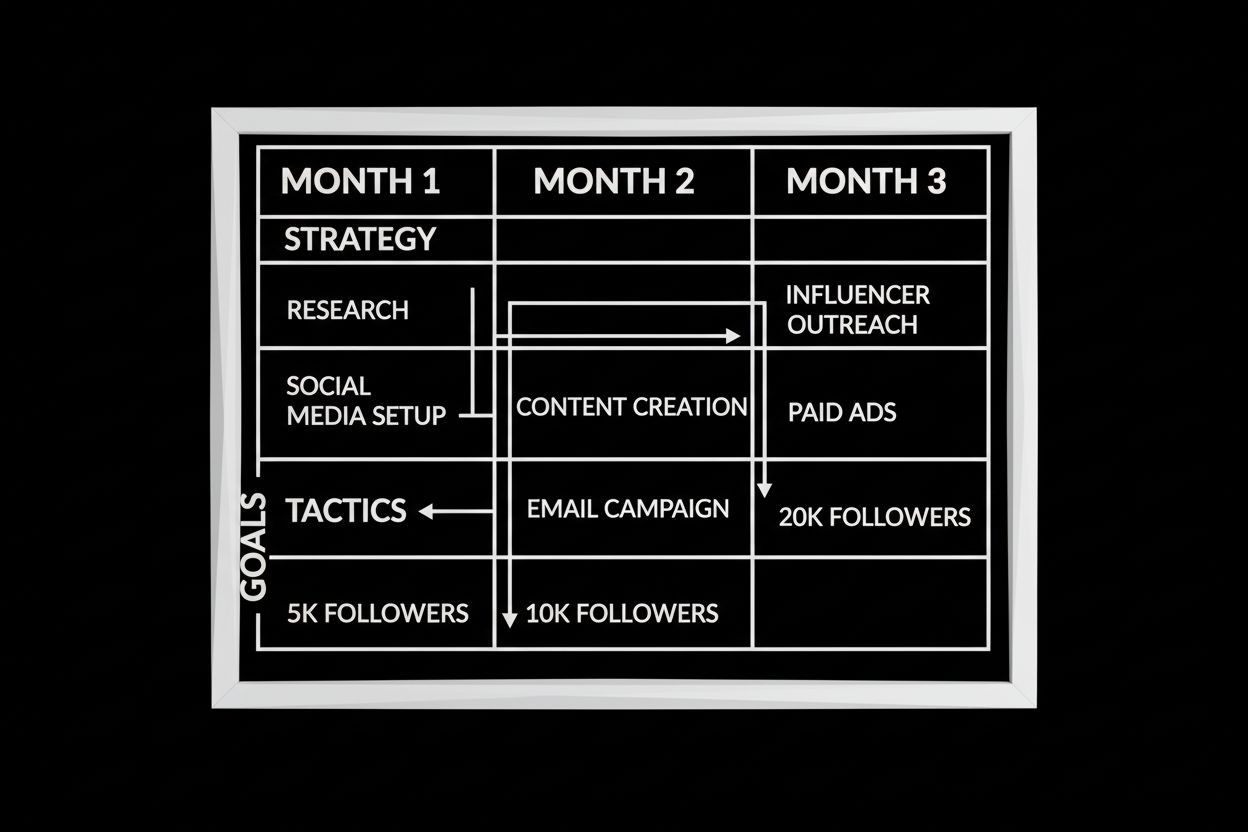
Month 1 - Onboard and audit
Week 1: Kickoff, access, and goal alignment. Share analytics, CRM, and product priorities
Week 2: Full technical audit and quick wins list for urgent fixes
Week 3: Keyword mapping and AI-optimized content plan focusing on high intent queries
Week 4: Publishing of 1 to 3 priority pages and setup of experiment tracking
Month 2 - Content and distribution
Week 5-6: Scale content production using AI-assisted briefs and human editing
Week 7: Begin outreach for links and social seeding; tie top content to ad tests on Meta or TikTok
Week 8: Review early traffic signals, optimize titles and meta descriptions for snippets
Month 3 - Measurement and iterate
Week 9-10: A/B test landing pages and lead capture flows; integrate chat agent prompts
Week 11: Build priority internal links and address technical items from backlog
Week 12: Present 90 day results, refine roadmap, and agree on scaling or handoff
This timeline sets clear expectations around what is realistic and when you can expect measurable signals.
Technical SEO checklist before you start
Page speed under 3 seconds on core pages
Mobile friendliness and viewport configuration
Valid sitemap and robots.txt
Proper canonical tags and noindex rules where needed
Schema markup for products, FAQs, and articles
Clean internal linking and breadcrumb structure
Analytics and conversion events implemented correctly
A technical baseline avoids wasted content effort and improves the ROI of AI-powered writing.
Contract and legal considerations
Include these items in your agreement:
Deliverables and timelines with acceptance criteria
Ownership of content and creative assets - ensure you retain rights
Data access and reporting specifics
Confidentiality of product details and non disclosure clauses
Term, termination clauses, and trial period terms
Clear definition of success metrics and payment schedule
Avoid open ended retainers with no defined outputs. Milestone based contracts reduce risk for startups.
Industry-specific tips for startups
SaaS and B2B: Focus on long tail educational content, use product-focused comparisons, and optimize for demo related queries. Tie organic to trial signups.
FinTech and HealthTech: Prioritize compliance, expert citations, and trust signals. Longer sales cycles require content mapped to each funnel stage.
Marketplace and Consumer Apps: Use performance content, playbooks, and social amplification to speed up visibility. Short term paid tests validate content concepts.
Benchmarks vary, but a realistic expectation is 3 to 6 months for noticeable organic traffic improvement and 6 to 12 months for consistent lead volume, depending on competition and resources.
Tracking ROI and attribution
Measure SEO beyond rankings. Track organic leads, trial starts, MQLs, and CAC trends. Use UTM tagging on social and paid campaigns so you can attribute assisted conversions. For campaigns that combine SEO, chat agents, and paid ads, run experiments that compare organic landing pages with and without paid amplification.
Automation can accelerate lead handoff. If you plan to use chat agents for qualification, see Automated AI Chat Agents - The Social Search for integration patterns.
When not to hire an AI SEO agency
Avoid hiring if:
You do not have product market fit
Your site cannot convert visitors into leads or trials
You lack the bandwidth to review and publish content
If these apply, invest first in product, analytics, or landing page experiments. Then bring in an agency when you can test and act on traffic.
Quick red flag checklist
No case studies or unwillingness to share references
Overly aggressive link promises
No transparent reporting or analytics access
No trial or short pilot options
If the agency raises these flags, negotiate a pilot or move to a different vendor.
Actionable onboarding checklist to give to an agency
Provide analytics and webmaster access
Share brand guidelines and target market profiles
Deliver product one pager and top 10 competitor list
Confirm conversion events and lead routing
Set up weekly check-ins and a shared roadmap document
Key takeaways
An AI SEO agency for startups can accelerate qualified organic traffic by pairing technical SEO, AI-assisted content, and distribution across chat and social channels
Use a scorecard that weights stage specific needs to choose the right partner
Start with a 90 day pilot, prioritize technical fixes, then scale content and distribution
Protect yourself with milestone based contracts and clear ownership of assets
Integrate SEO with AI chat agents and paid social to shorten time to value
FAQs
How long before SEO shows results for startups?
Expect measurable traffic signals in 3 to 6 months and consistent lead generation in 6 to 12 months, depending on competition and how well technical and content work is executed.
How much should a startup pay for an AI SEO agency?
Budget ranges from $1,000 to $20,000+ per month depending on scope. Many startups start with $3,000 to $8,000 monthly for meaningful growth while keeping flexibility.
Can AI replace human SEO writers?
AI accelerates research and drafting but human editors are critical to maintain brand voice, accuracy, and distribution strategy.
Should SEO and paid social be managed by the same agency?
There are advantages to unified management, such as faster testing and consistent messaging across channels. If not unified, ensure close coordination and shared UTM practices.
What should be in an SEO agency contract for startups?
Deliverables, timelines, ownership of content, reporting cadence, privacy and data clauses, exit terms, and a trial or milestone payment structure.
If you want practical help picking an agency, building an initial SEO sprint, or connecting SEO to paid channels like Meta and TikTok, our team can run a 30 day pilot that aligns search with chat agents and paid social. Learn more about our SEO and automation services at Automated SEO - The Social Search and how we integrate lead systems at Automated Lead Generation - The Social Search.
For a quick consultation, check our social and insights pages to see examples and case studies: The Social Search blog and The Social Search insights.
Ready to pick a partner or build a pilot? Start with a 90 day scope that ties traffic to signups and a clear milestone review at day 90.