What Is CTA? A Simple Guide to Computed Tomography Angiography
Learn what CTA means in medicine, what it shows, how to prepare, common uses, risks, and how it differs from CT, MRI, angiography, and ultrasound for patients.
If you are asking what is CTA in the medical sense, CTA stands for computed tomography angiography. It is a CT scan that uses contrast material to create detailed pictures of blood vessels, which helps doctors look for blockages, aneurysms, clots, tears, and other vascular problems. CTA is usually done in a radiology department or an outpatient imaging center. (radiologyinfo.org)
What CTA Means in Plain English
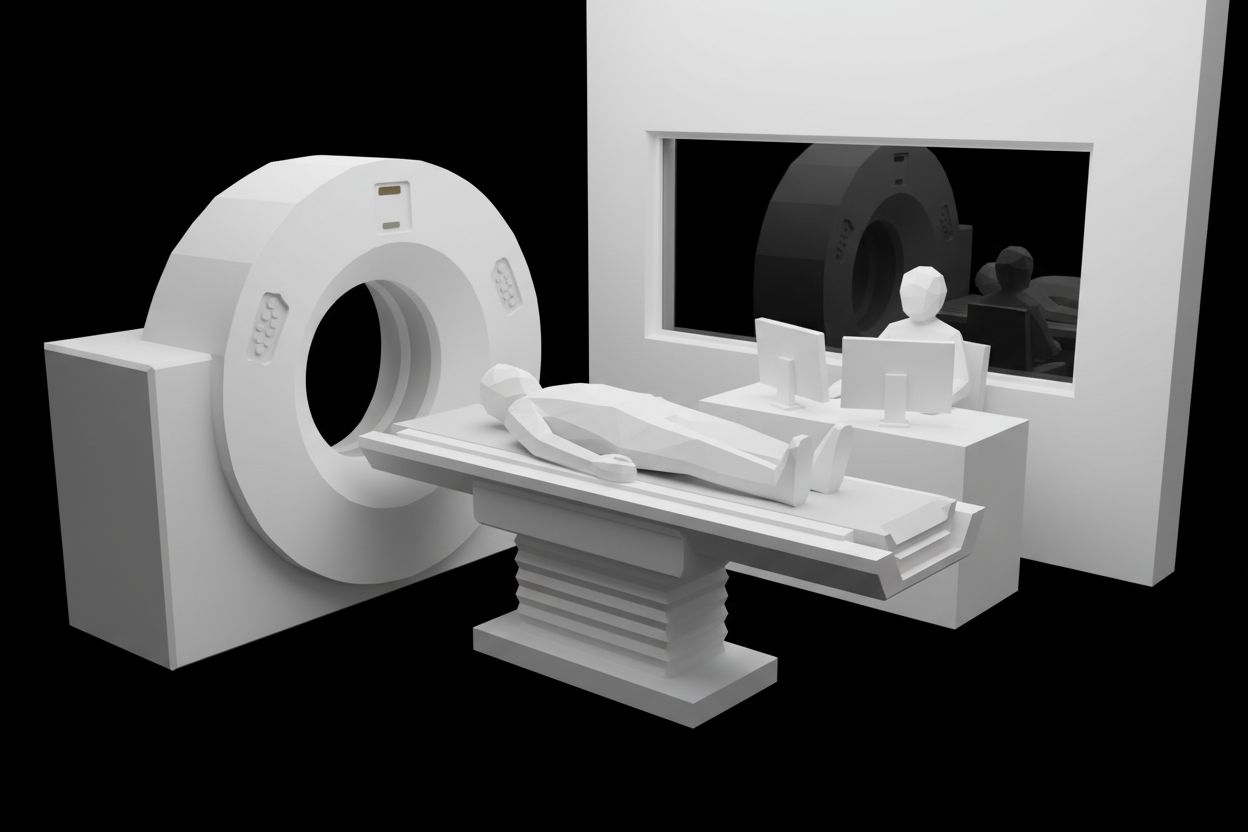
In plain English, CTA is a scan that combines the speed of CT with the visibility of contrast dye. The contrast is injected through a small IV in the arm, then the scanner captures detailed images as the dye moves through the blood vessels. That is what makes CTA different from a standard CT scan, because it highlights the vessels much more clearly. (radiologyinfo.org)
Doctors use CTA when they need a fast and detailed look at arteries or veins without doing a catheter-based angiogram. It can show both the blood vessels and the tissues around them, which is useful when the question is not just whether a vessel is narrowed, but also whether nearby structures are involved. (radiologyinfo.org)
What Is CTA Used For?
CTA can be used to examine blood vessels in the brain, neck, heart, chest, abdomen, pelvis, arms, legs, and feet. It helps doctors evaluate conditions such as aneurysms, blockages, blood clots, vessel tears, vascular malformations, injuries, tumors fed by blood vessels, and vessel rupture. (radiologyinfo.org)
Here are some of the most common reasons a doctor may order CTA:
Brain and neck: to look for aneurysms, carotid narrowing, vascular malformations, dissection, or trauma-related vessel injury. (radiologyinfo.org)
Heart and chest: to assess coronary artery disease, blocked coronary arteries, pulmonary embolism, aortic disease, or chest vessel injury. (radiologyinfo.org)
Abdomen and pelvis: to evaluate arteries to the kidneys, liver, or other organs, or to help plan surgery or a stent procedure. (radiologyinfo.org)
Legs and feet: to look for plaque, narrowing, or reduced blood flow, especially when a doctor is planning angioplasty, stenting, or surgery. (radiologyinfo.org)
CTA is also useful before or after surgery because it can help map the blood supply, identify diseased vessels, and check how well a repair or stent is working. In some cases, the information can help doctors plan treatment that may reduce the risk of stroke or heart attack. (radiologyinfo.org)
CTA vs CT Scan, Angiography, and MRA
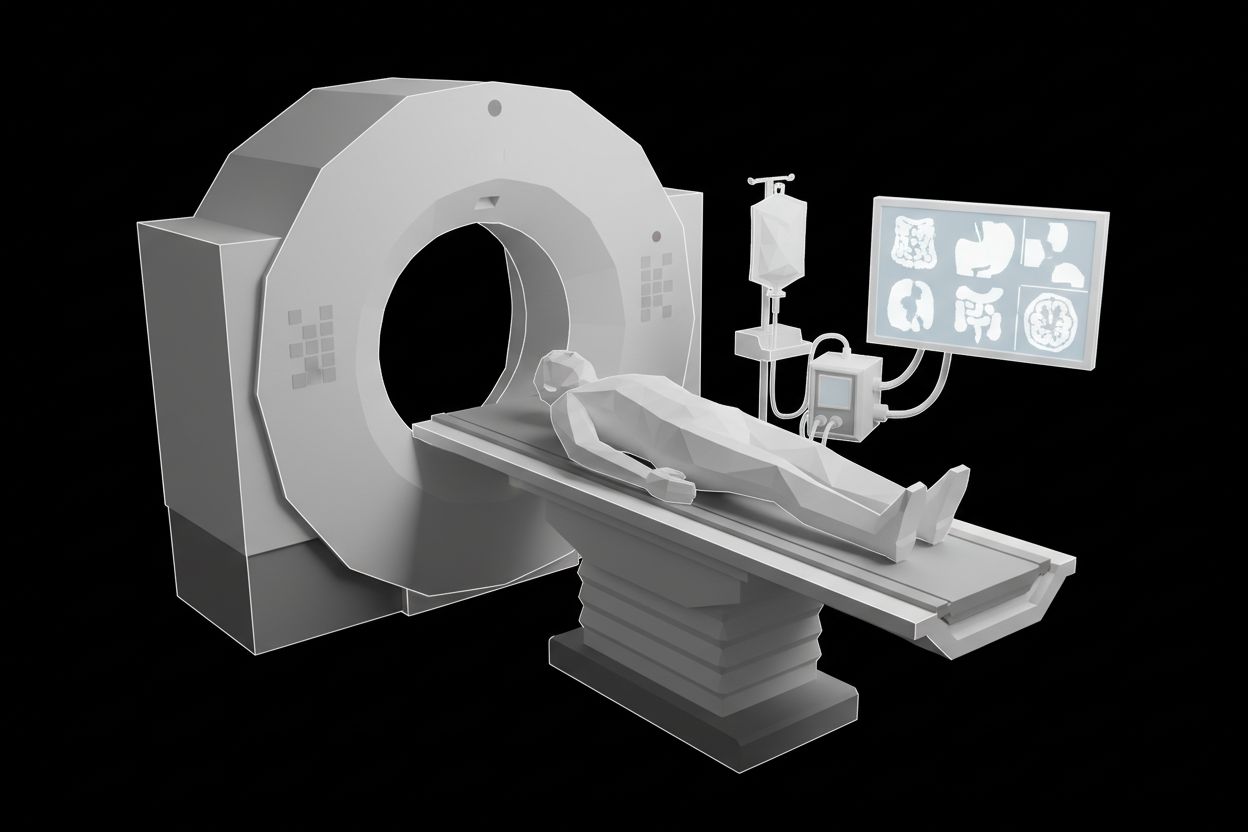
A lot of people hear CTA and think it is just another CT scan. It is related, but not identical. A regular CT scan creates cross-sectional images with X-rays, while CTA adds contrast material to make blood vessels stand out. That extra step is what gives CTA its angiography function. (hopkinsmedicine.org)
CTA also differs from conventional angiography. Traditional angiography uses X-rays with a catheter placed into the blood vessels, while CTA is done with CT imaging and an IV line in the arm. CTA is faster and non-invasive, and it may provide more precise anatomical detail than conventional catheter angiography in many situations. (radiologyinfo.org)
CTA is sometimes compared with MRA, which is magnetic resonance angiography. Both are used to visualize vessels, but CTA may provide sharper anatomical detail in some cases, especially when speed matters. Your doctor may choose one test over another based on the body area being studied, your kidney function, your allergy history, and how urgent the question is. (radiologyinfo.org)
If you publish medical or service pages for a clinic, this kind of comparison content is also a strong search asset. A well-planned Automated SEO strategy can help pages like this show up for patients who are actively looking for answers.
How to Prepare for a CTA
Preparation is usually simple, but it matters. Most facilities ask you to wear loose, comfortable clothing and may ask you to change into a gown. Jewelry, eyeglasses, dentures, hairpins, underwire bras, and other metal objects can interfere with the images, so you will usually need to remove them before the scan. (radiologyinfo.org)
If your CTA uses contrast, you may be told not to eat or drink for several hours beforehand. Some facilities also advise avoiding caffeine before a chest or cardiac CTA. You should tell your doctor about all medications you take, as well as any allergies, recent illnesses, and health conditions such as asthma, diabetes, kidney disease, heart disease, or thyroid problems. (radiologyinfo.org)
Pregnancy and breastfeeding should always be discussed ahead of time. If there is any chance you are pregnant, let your doctor and the technologist know before the exam. If you are breastfeeding, your doctor may give you specific instructions about whether to pump and store milk ahead of time and how long to wait before nursing again. (radiologyinfo.org)
If you have had a previous contrast reaction, your doctor may prescribe medicine before the scan, often a steroid, to reduce the chance of another reaction. In some patients with kidney risk, kidney testing may be done before the CTA, or a different imaging exam may be chosen. (radiologyinfo.org)
For imaging centers that get these questions all day, an Automated AI Chat Agents setup can answer prep questions, route appointment requests, and reduce front-desk back-and-forth.
What Happens During the Scan?
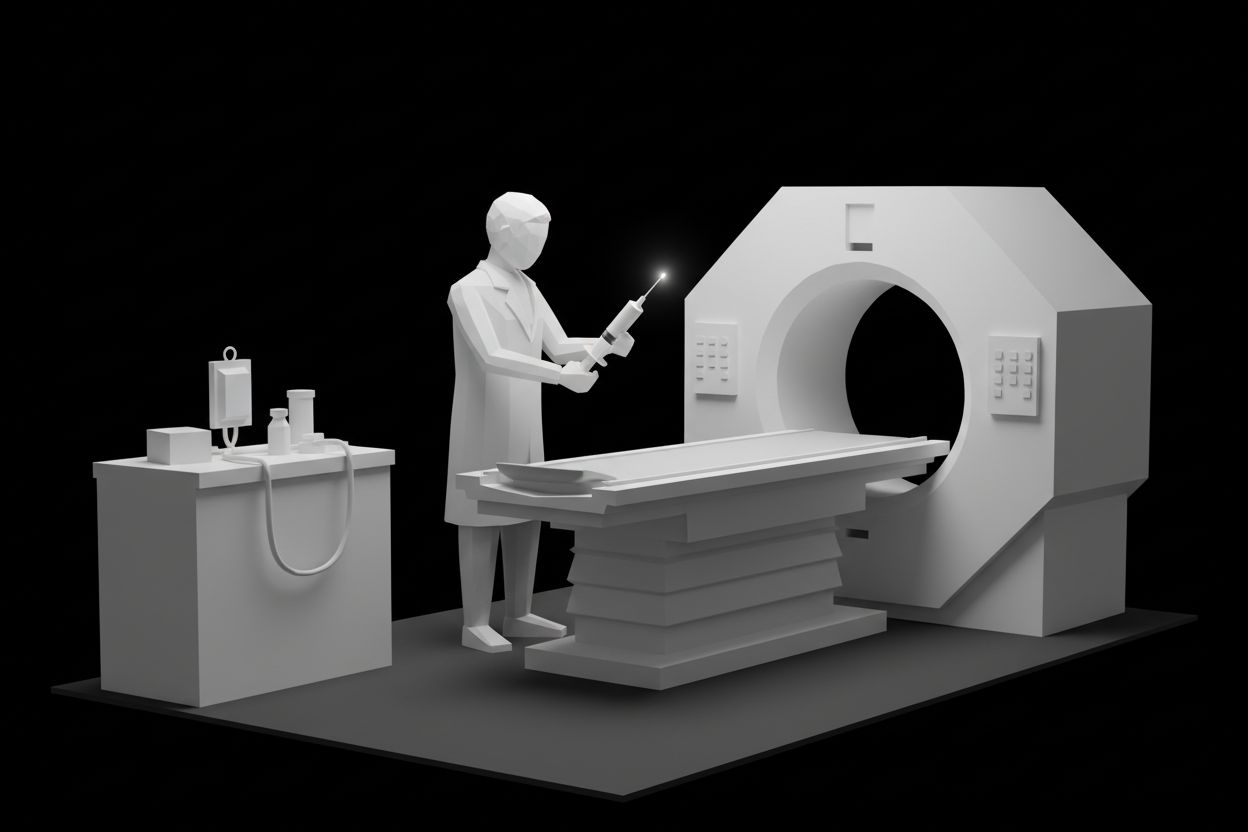
During CTA, a technologist places an IV line in your hand or arm and positions you on the exam table. The table slides into a large, donut-shaped scanner with a short tunnel. The technologist usually works from a nearby control room but can see, hear, and speak with you through an intercom. (radiologyinfo.org)
An automatic injector often delivers the contrast at a set rate. As the contrast moves through the vessels, the scanner captures images quickly, sometimes in just one to two minutes, although the full appointment may take longer depending on the body area being scanned. Some exams, especially cardiac CTA, may use ECG leads and heart-rate control medication to get clearer pictures of the heart. (radiologyinfo.org)
The scan itself is painless, but you may be asked to hold your breath for a short time while the machine takes images. You may also hear whirring or buzzing sounds as the scanner rotates around you. (hopkinsmedicine.org)
What Does CTA Feel Like?
Most people feel only a brief pinch when the IV is placed. When the contrast is injected, it is common to feel warm or flushed, and some people notice a metallic taste in the mouth. A temporary urge to urinate can also happen. Those sensations usually pass quickly. (radiologyinfo.org)
After the scan, the IV is removed and covered with a small dressing. In most cases, people can go back to normal activities right away. Depending on the situation, your doctor may tell you to drink water after the test. (radiologyinfo.org)
That aftercare step is one reason CTA works well in busy outpatient settings. It is quick, low-friction, and easy to explain, which makes it useful for patient education and lead nurturing. If you want to turn those same patient questions into booked appointments, Automated Lead Generation can help bridge the gap between interest and action.
Risks, Safety, and Limitations
CTA is generally safe, and most patients complete it without problems. Still, it uses X-rays, so there is a small radiation exposure. The risk is considered low, but doctors still try to use the lowest dose that gives useful images. No radiation remains in your body after the exam. (radiologyinfo.org)
The contrast material is also usually well tolerated, but there are a few things to know. Allergic reactions are uncommon, and severe iodine-based contrast reactions are rare. Kidney function matters too, because CTA contrast may not be recommended for people with severe kidney disease, and in patients who already have borderline kidney function it could worsen kidney problems. If contrast leaks out of the vein and into nearby tissue, it can irritate the skin, blood vessels, and nerves, which is why pain or tingling at the IV site should be reported right away. (radiologyinfo.org)
There are also some practical limitations. Very large patients may not fit into the scanner opening, or they may exceed the table weight limit. Some patients with a prior severe contrast reaction or significant renal impairment may not be good candidates for CTA and may need another test instead. (radiologyinfo.org)
Pregnancy should always be discussed before the exam, and breastfeeding guidance may vary by facility and situation. Some guidance suggests waiting before nursing again after contrast, while the newer radiology guidance notes that the amount absorbed by the infant is extremely low. Your doctor can help you decide what is appropriate in your case. (radiologyinfo.org)
CTA Results and What Happens Next
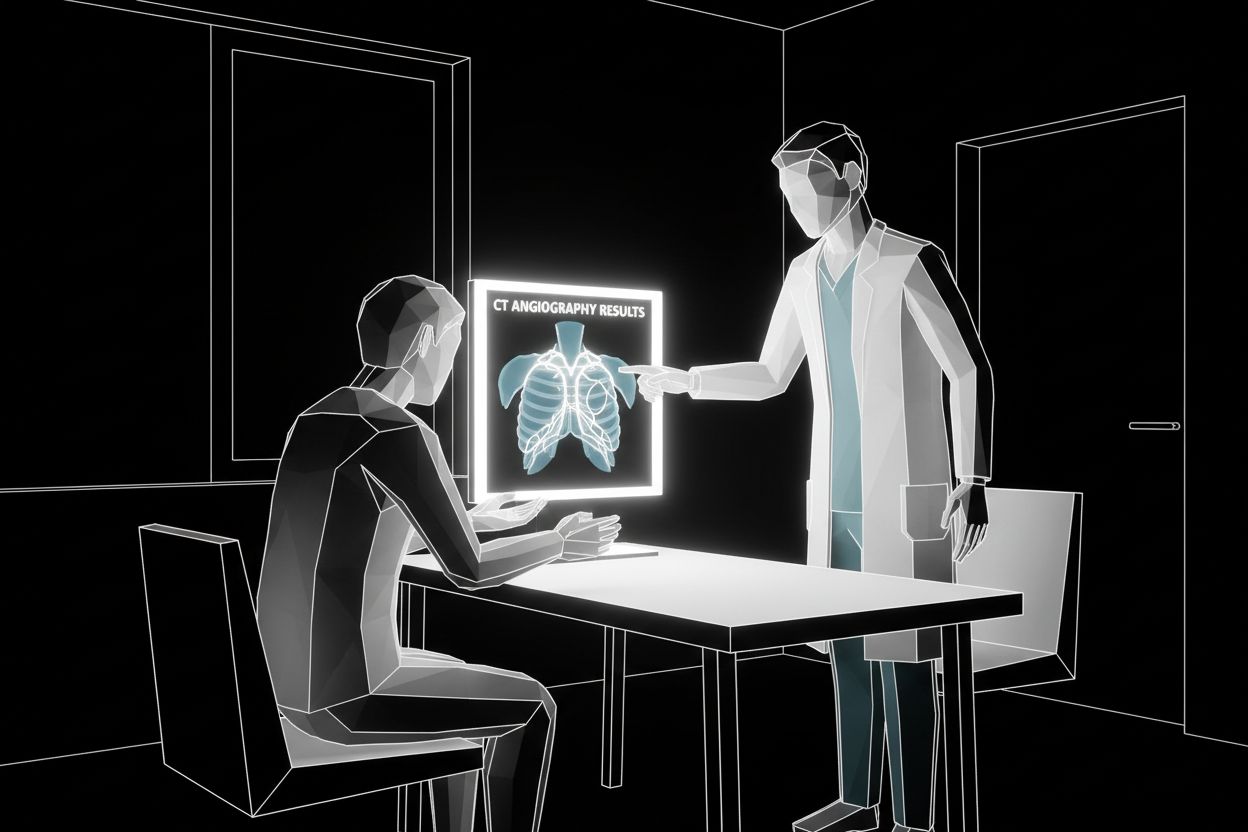
A radiologist reads the images and sends an official report to the doctor who ordered the exam. If the results show something that needs a closer look, your doctor may recommend follow-up imaging, repeat views, or a different imaging technique. In other cases, the CTA may help confirm that treatment is working or guide the next step in care. (radiologyinfo.org)
Because CTA can reveal detailed vessel anatomy quickly, it is often part of a larger care plan rather than the final step. The scan may lead to medication changes, a referral, a procedure, or simply reassurance that no urgent blood vessel problem is present. (radiologyinfo.org)
Frequently Asked Questions About CTA
Does CTA hurt?
The scan itself does not hurt. The IV needle can pinch for a moment, and the contrast may make you feel warm or give you a brief metallic taste, but the imaging part is painless. (radiologyinfo.org)
How long does a CTA take?
The actual scan is often very fast, sometimes only one to two minutes, although the full appointment can take longer. Some facilities note that the overall test may last about 10 minutes depending on the body part being studied. (radiologyinfo.org)
Do you have to fast before a CTA?
If contrast material is used, many facilities ask patients not to eat or drink for a few hours beforehand. Your exact instructions may vary depending on the body area, your health history, and whether the exam is done with contrast. (radiologyinfo.org)
Is contrast dye dangerous?
For most people, no. Most patients have no adverse events, and serious allergic reactions are rare. The bigger concerns are a previous contrast reaction, severe kidney disease, or any condition that makes your doctor want extra precautions. (radiologyinfo.org)
Can you go home after a CTA?
Yes. In most cases, you can return to normal activities right away after the IV is removed. Some patients are told to drink water or follow a few extra instructions based on their situation. (radiologyinfo.org)
Who should talk to a doctor before scheduling CTA?
Anyone who may be pregnant, anyone with kidney disease, anyone with a previous contrast allergy, and anyone with several medical conditions or medication concerns should discuss the exam with their doctor first. That conversation can help choose the safest imaging option. (radiologyinfo.org)
For Clinics and Content Teams
If you run an imaging center, a hospital site, or a healthcare brand, an explainer like this can do more than answer patient questions. It can also support search visibility, reduce repetitive calls, and make your advertising spend work harder. A strong Automated Social Media workflow can turn FAQs into short posts, carousels, and reels, while Paid Ads Management can drive qualified traffic to the same page.
The best results usually come when the article, the landing page, and the follow-up flow all work together. Clear service pages, fast response systems, and a useful follow-up path make it easier for people who searched what is CTA to move from curiosity to booking. That is where strong educational content and automation really complement each other.